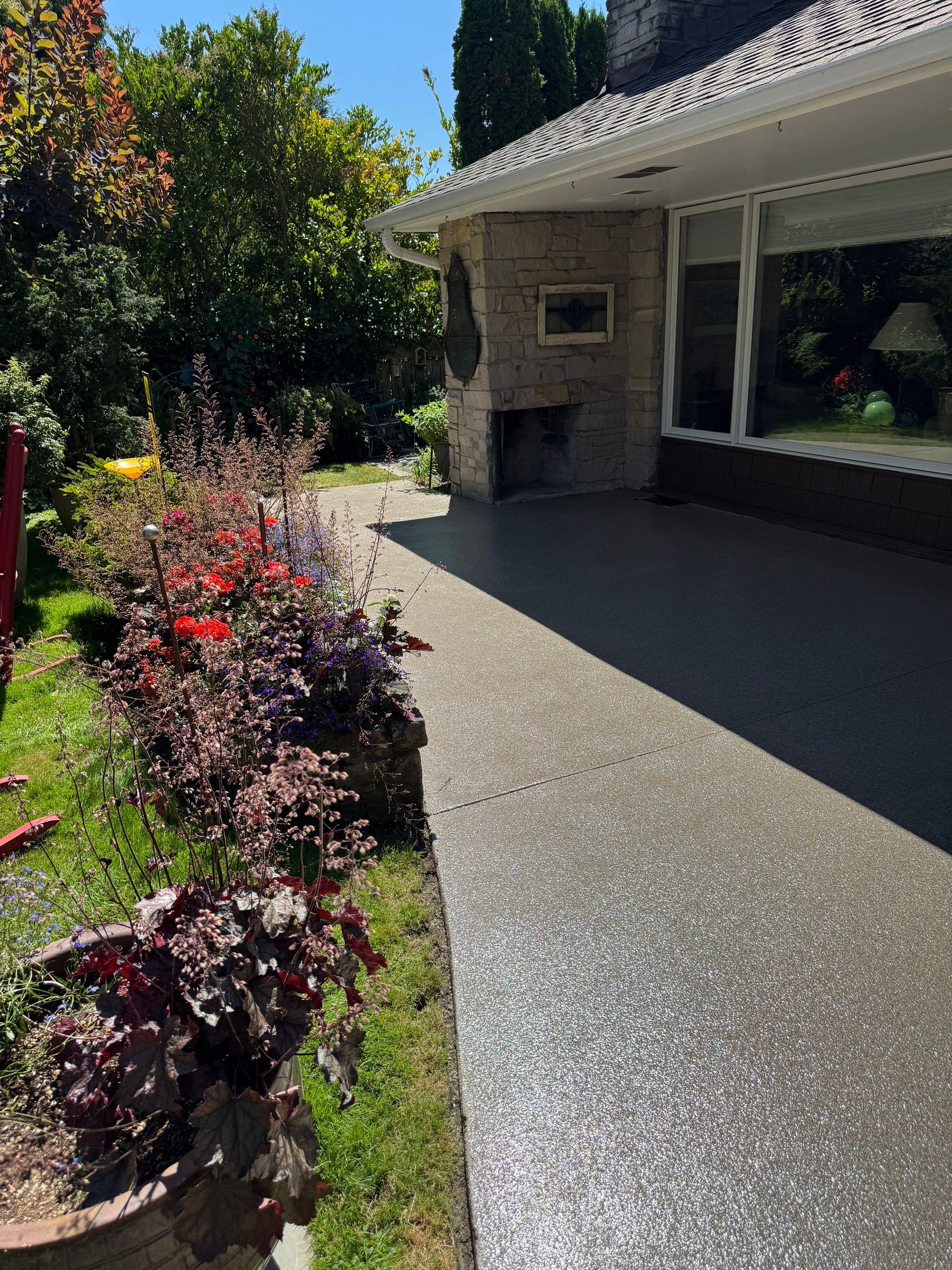
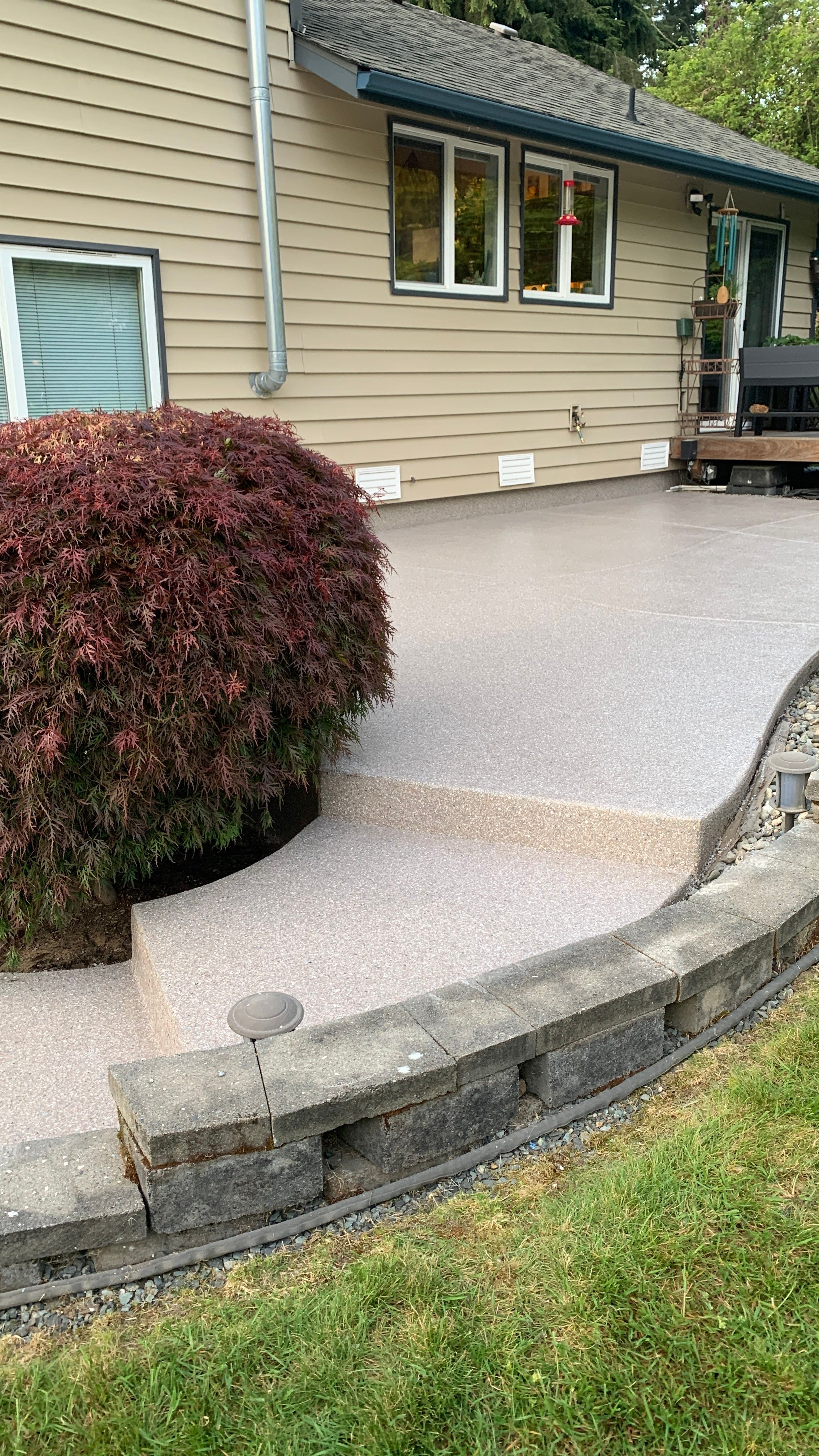
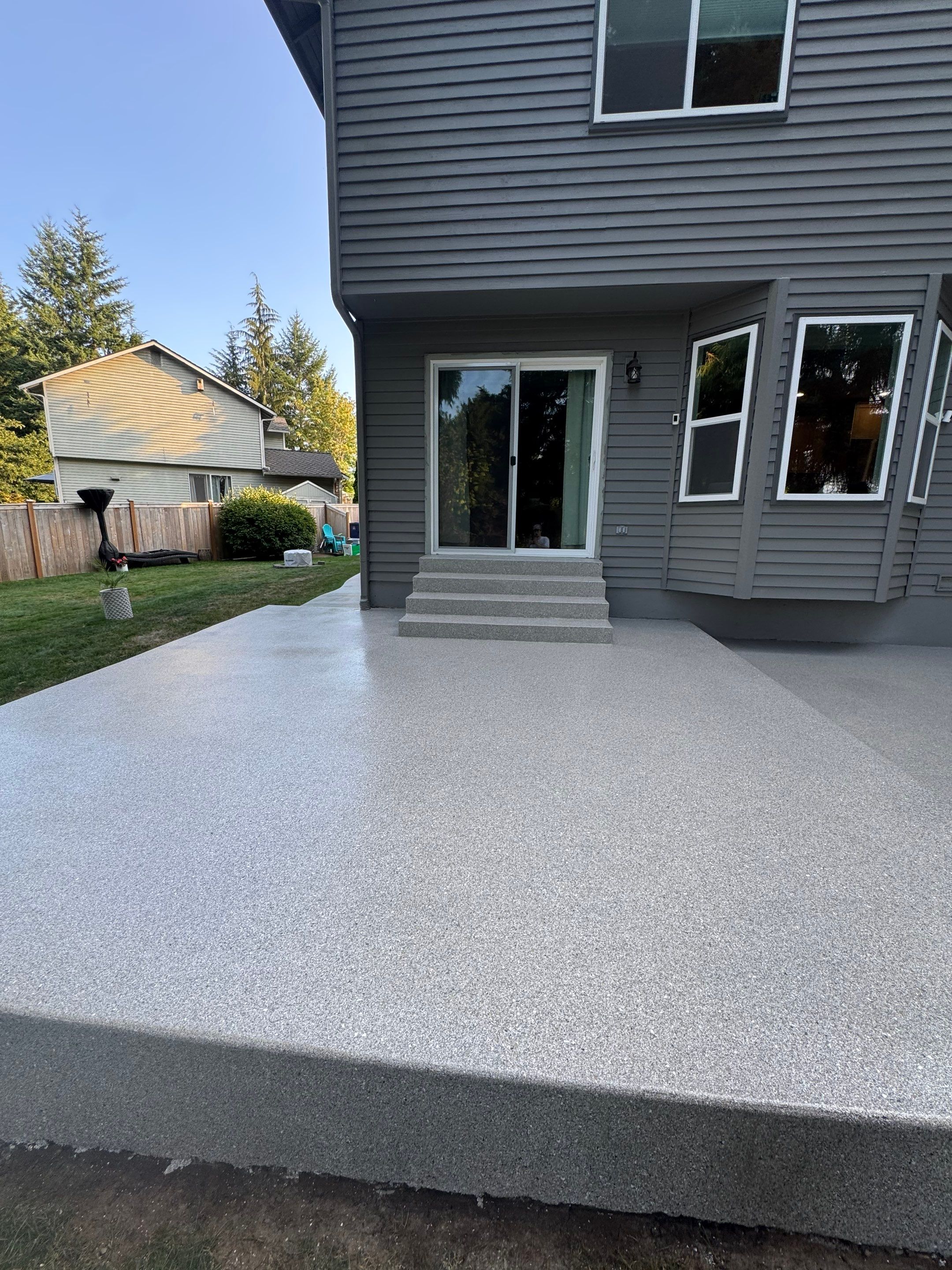
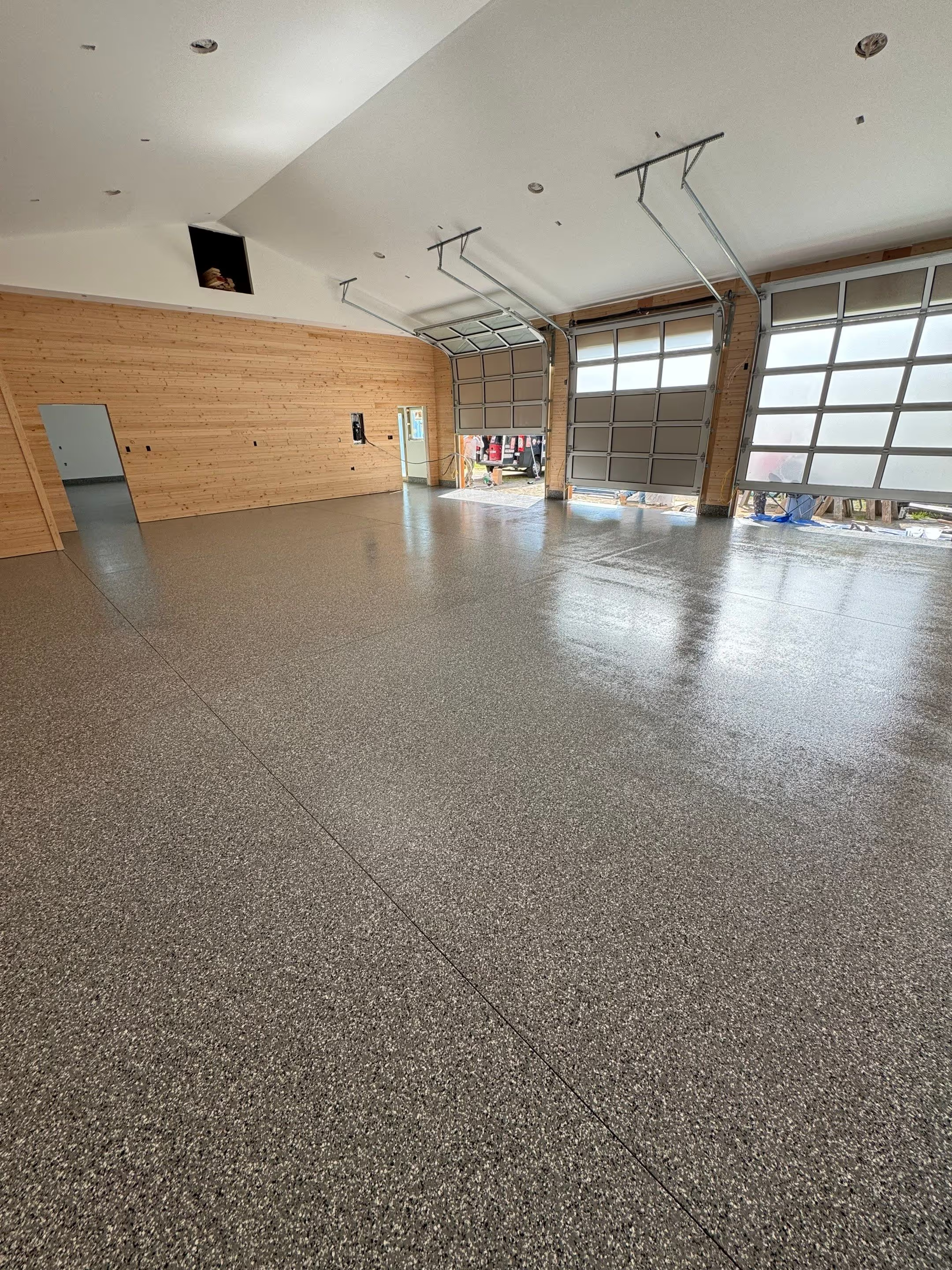
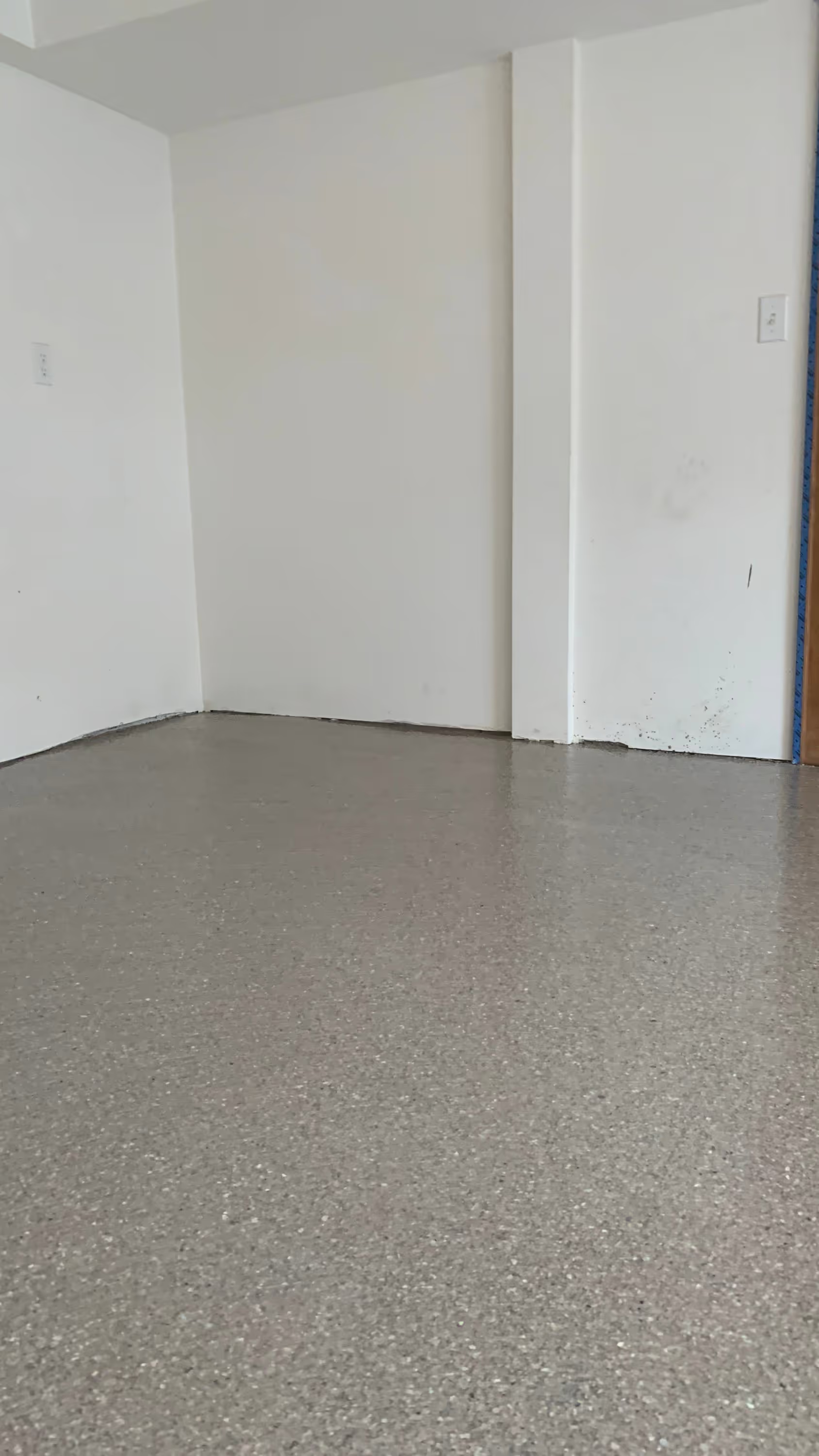
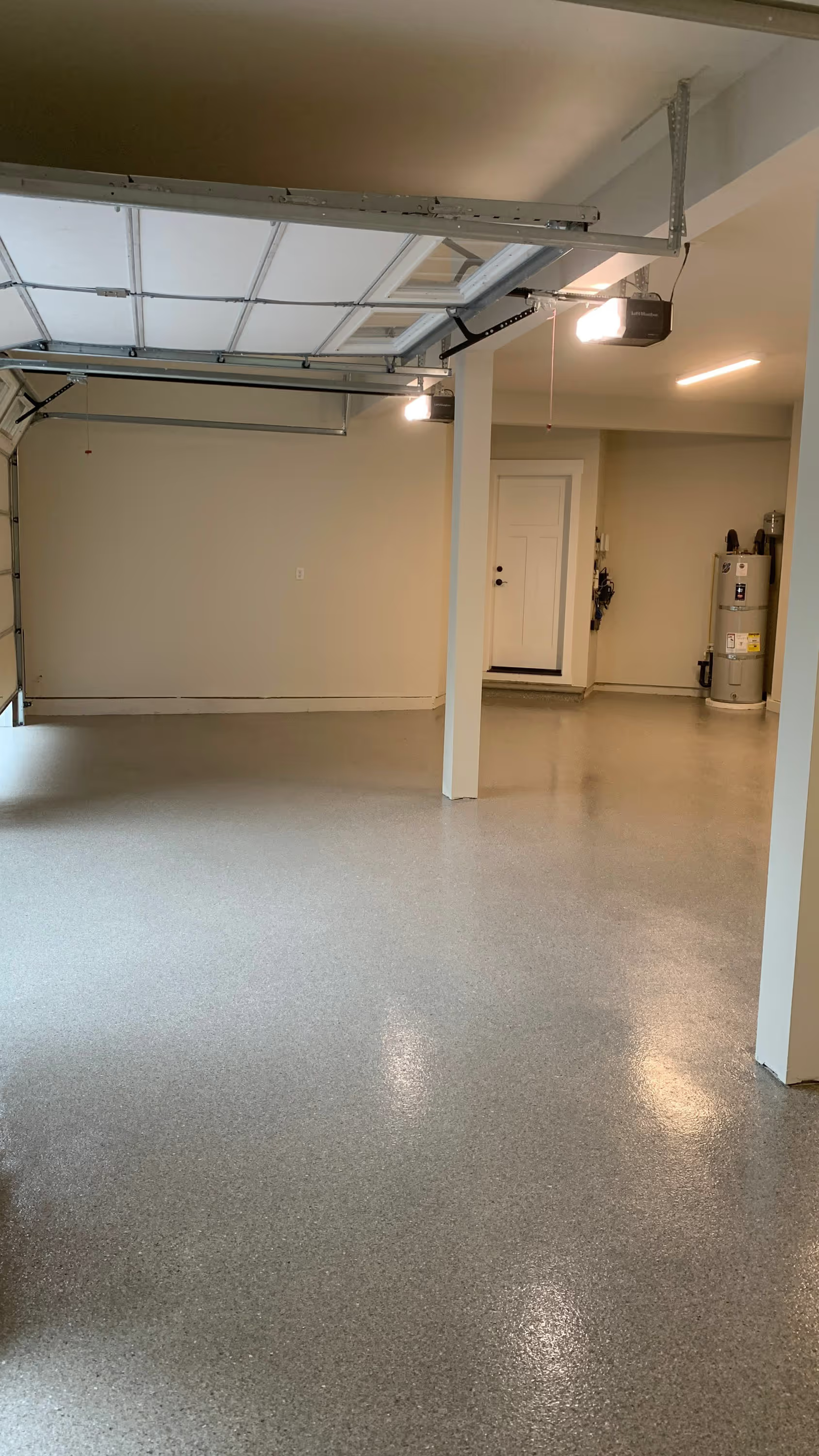
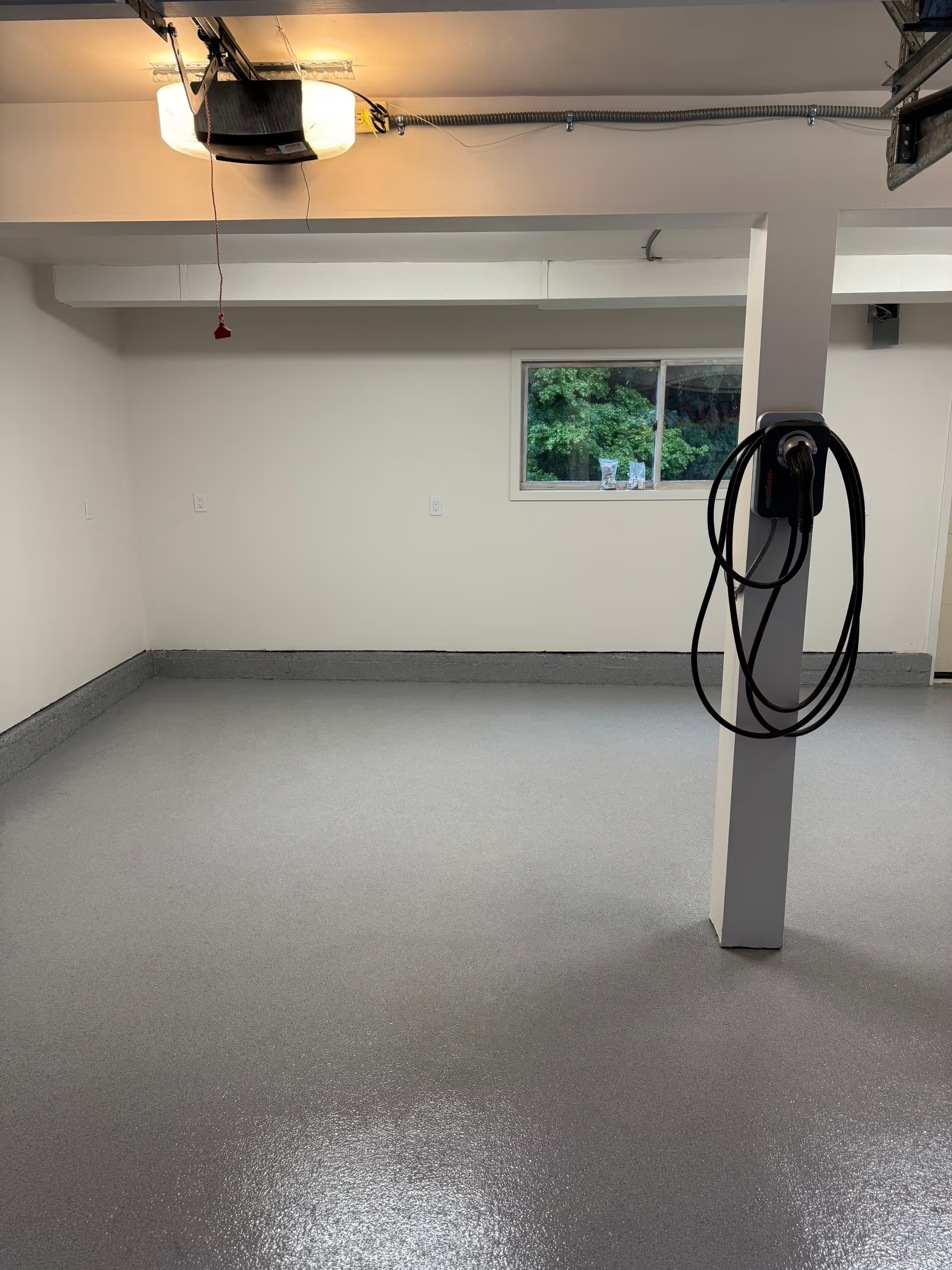
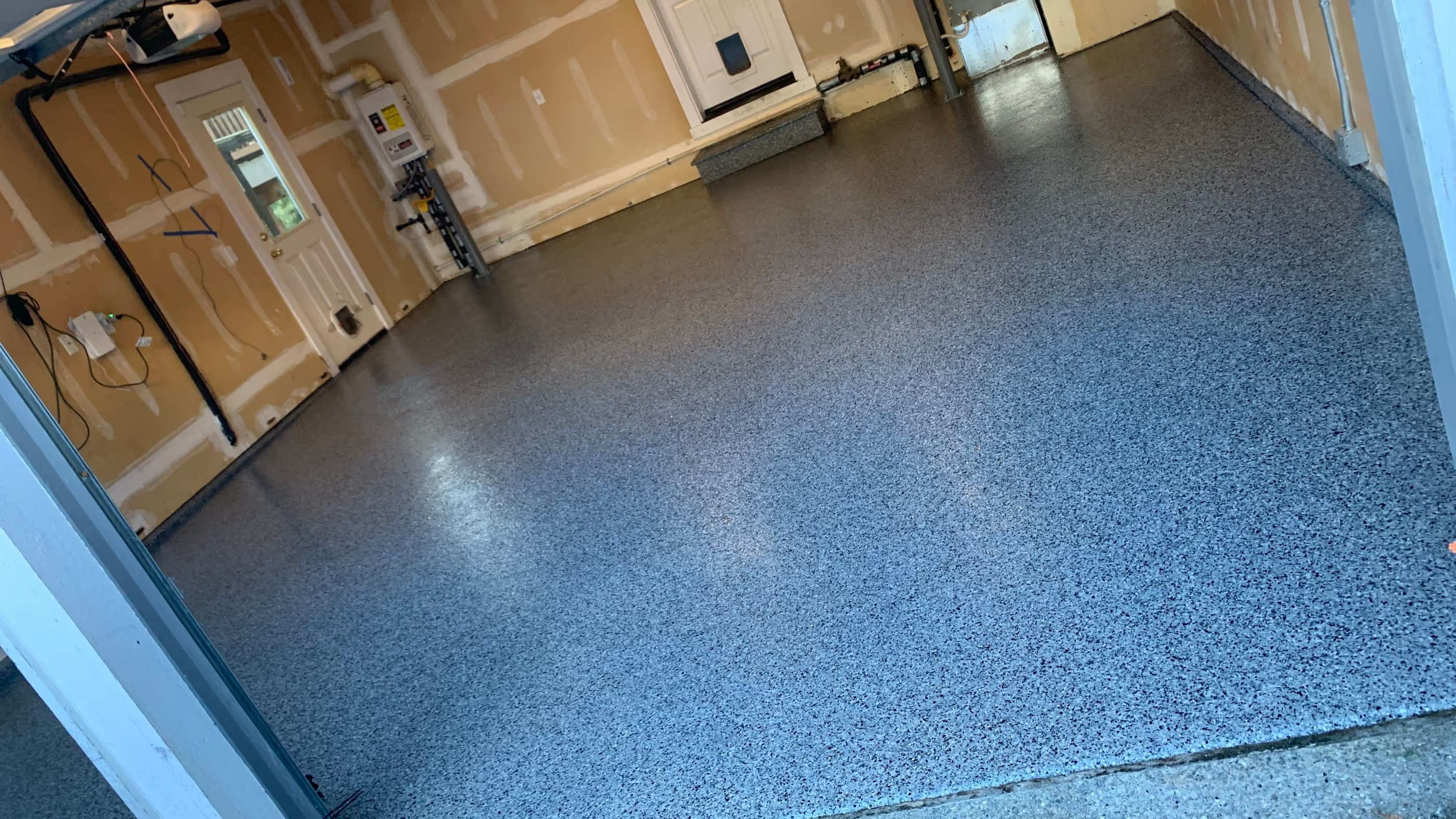
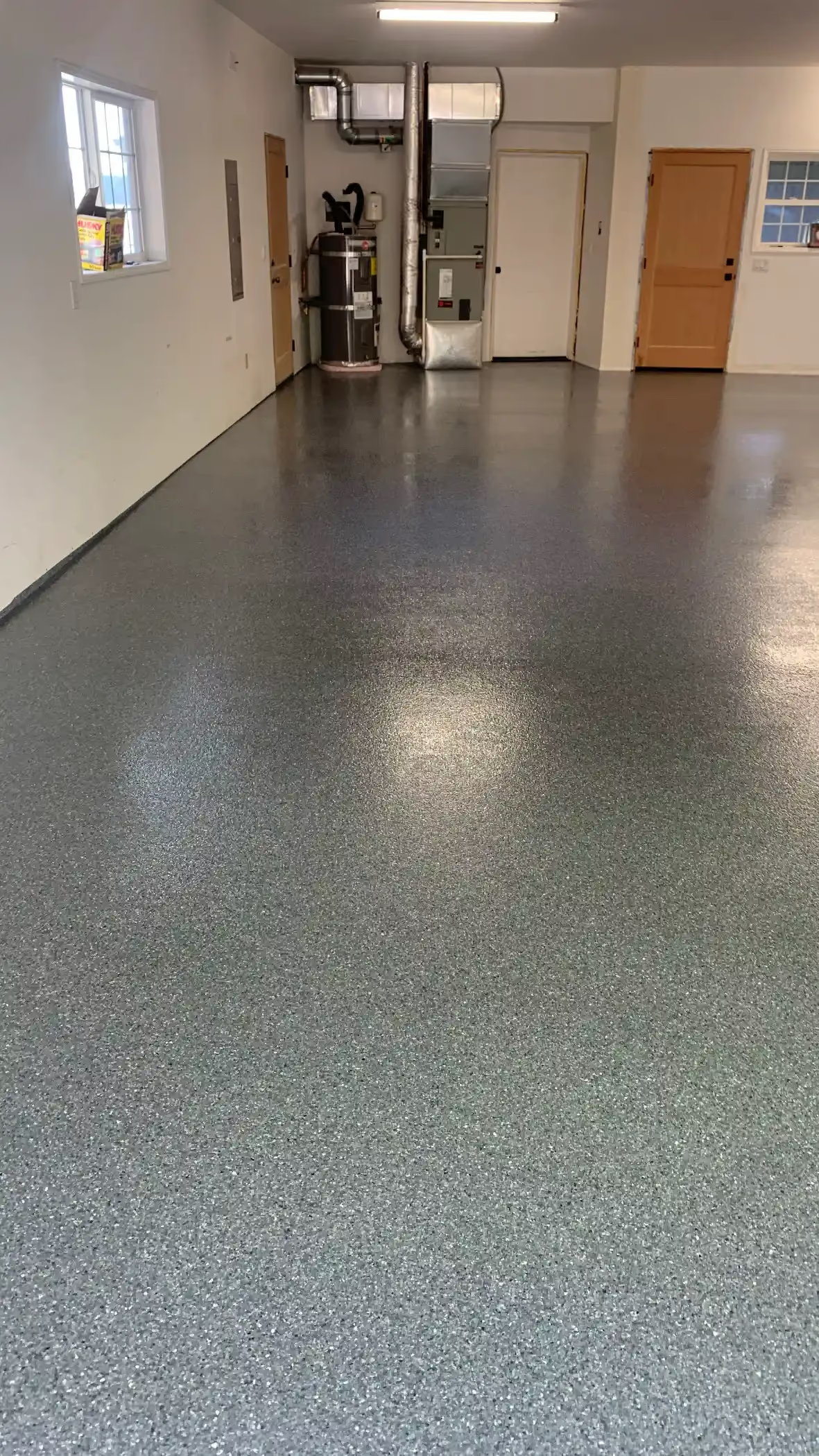
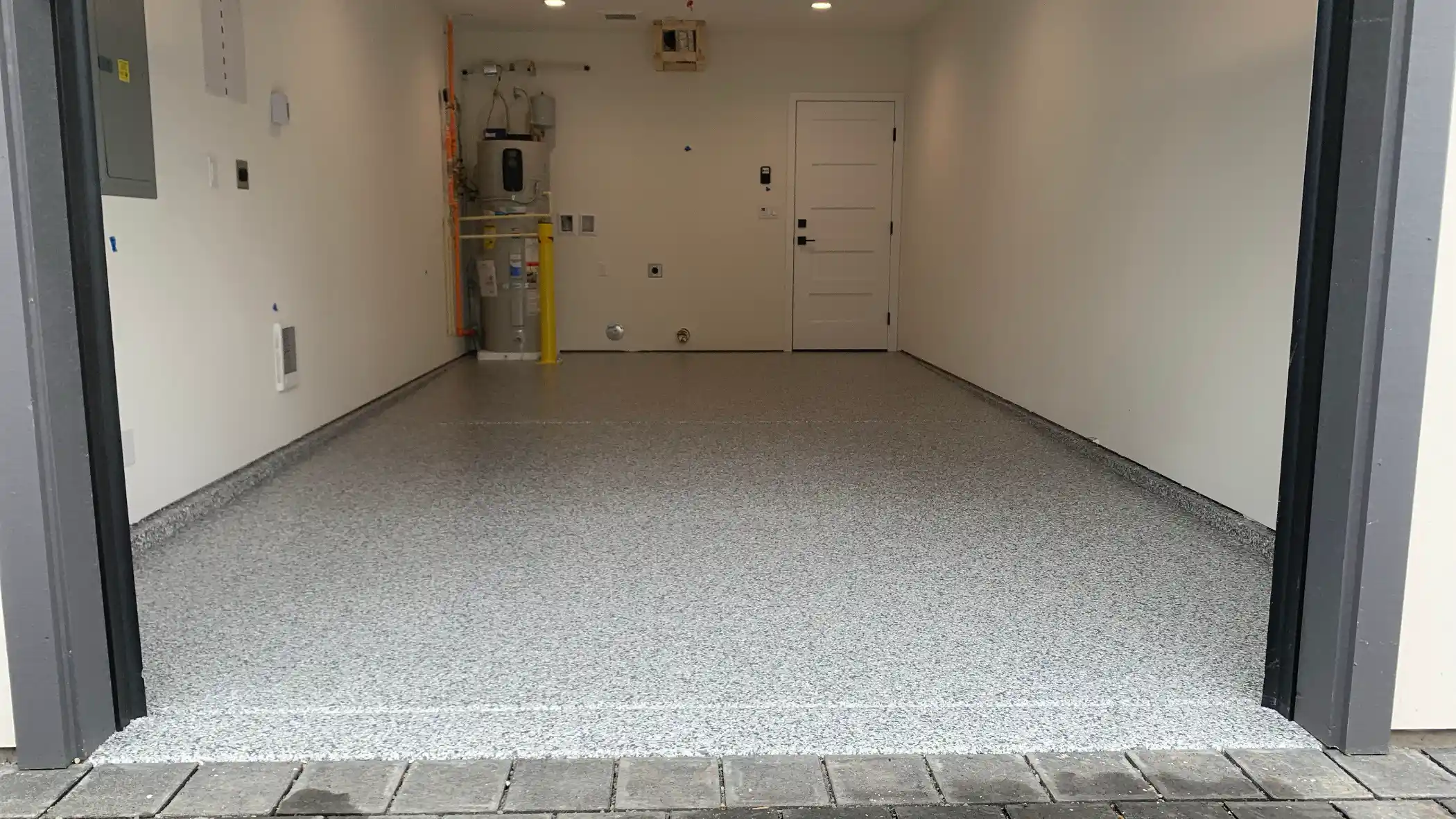
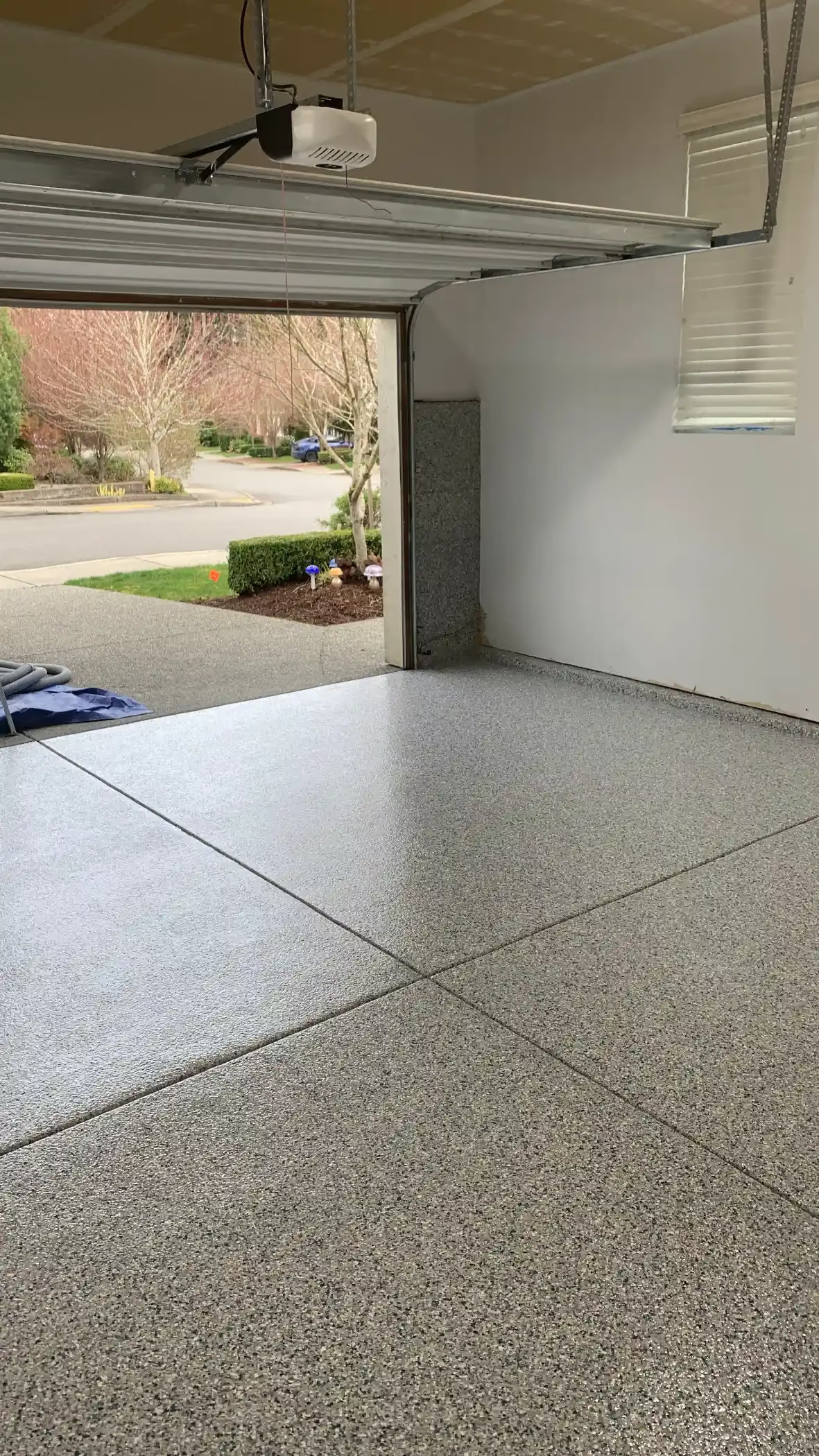
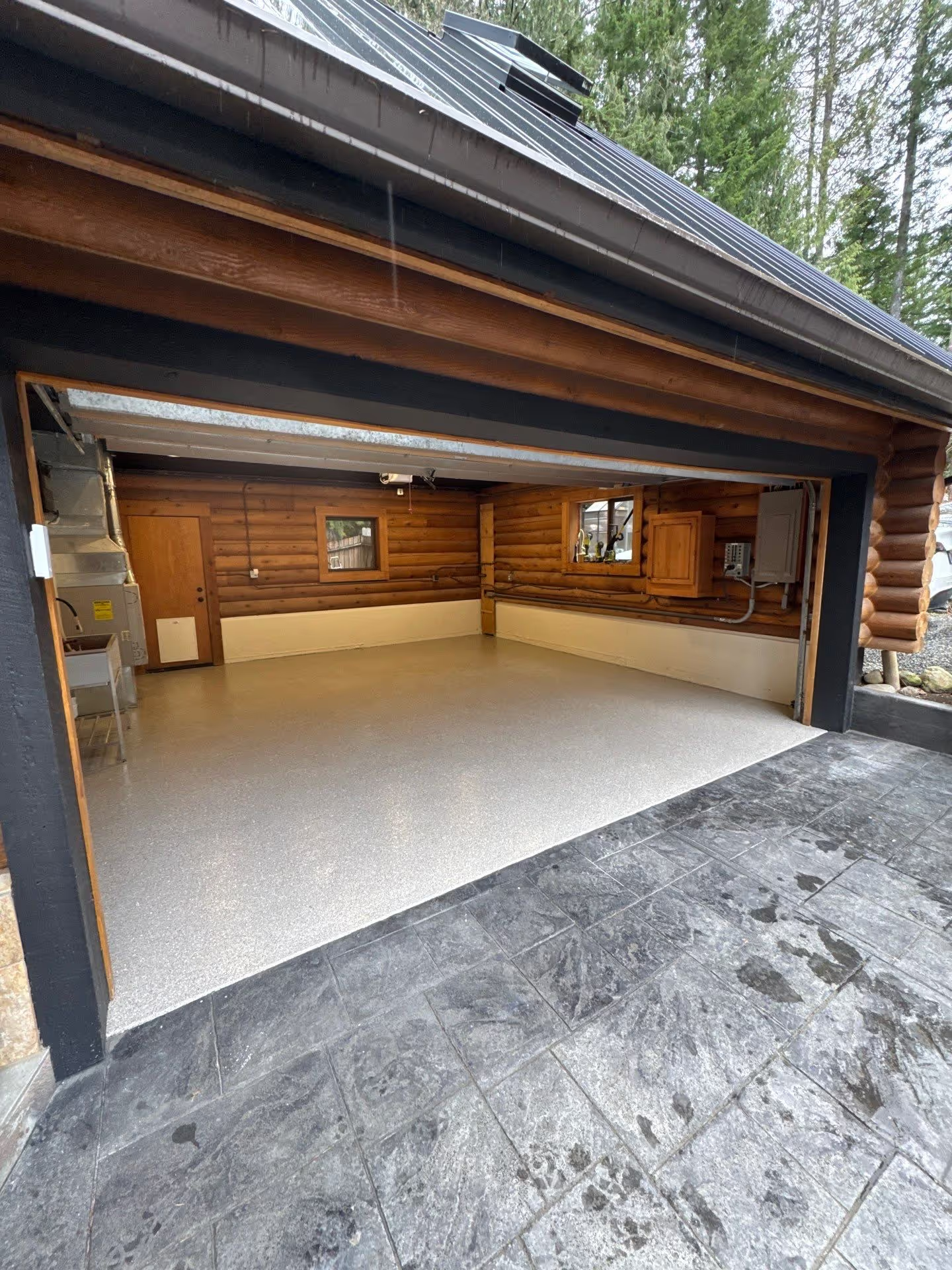
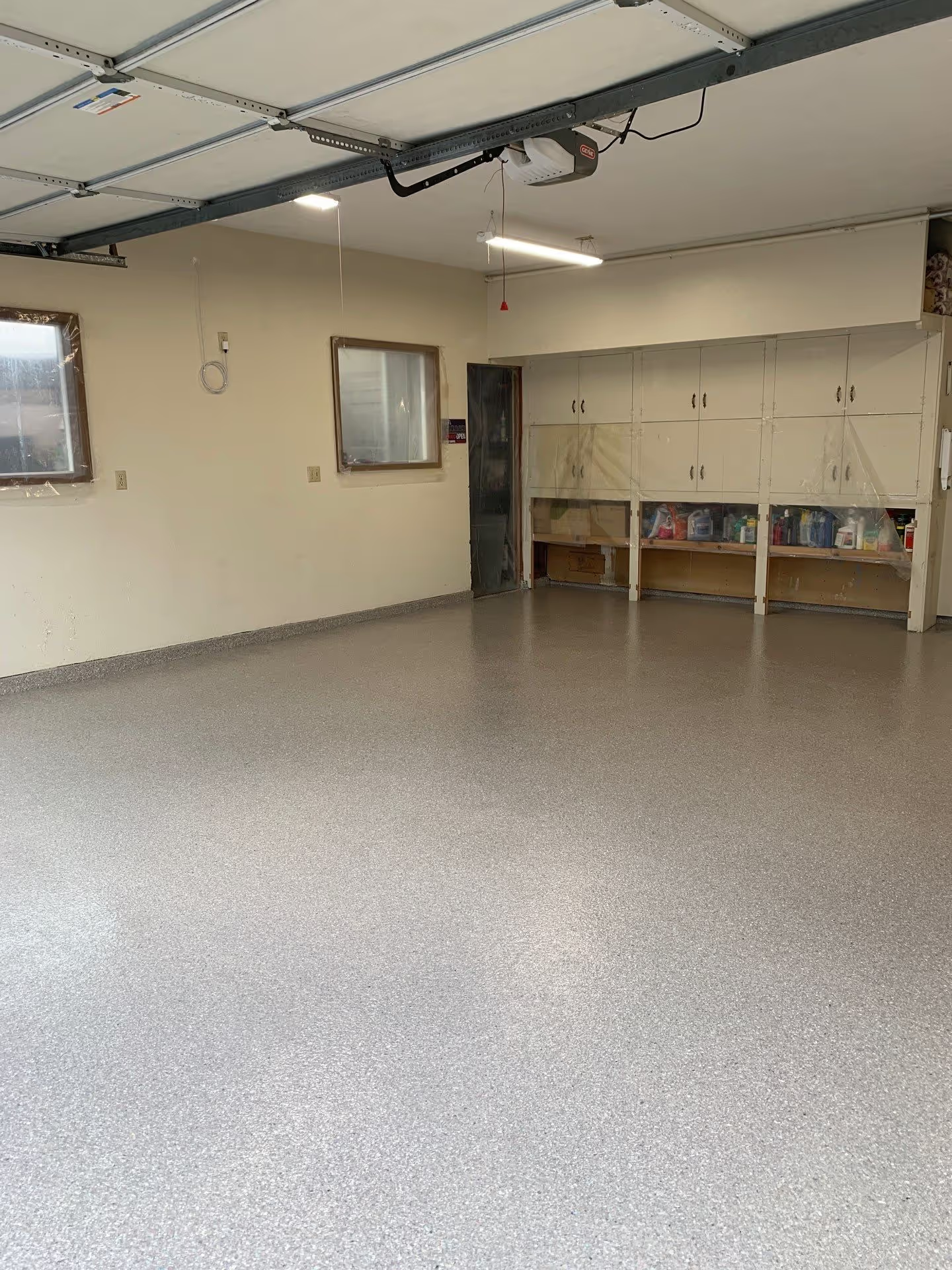
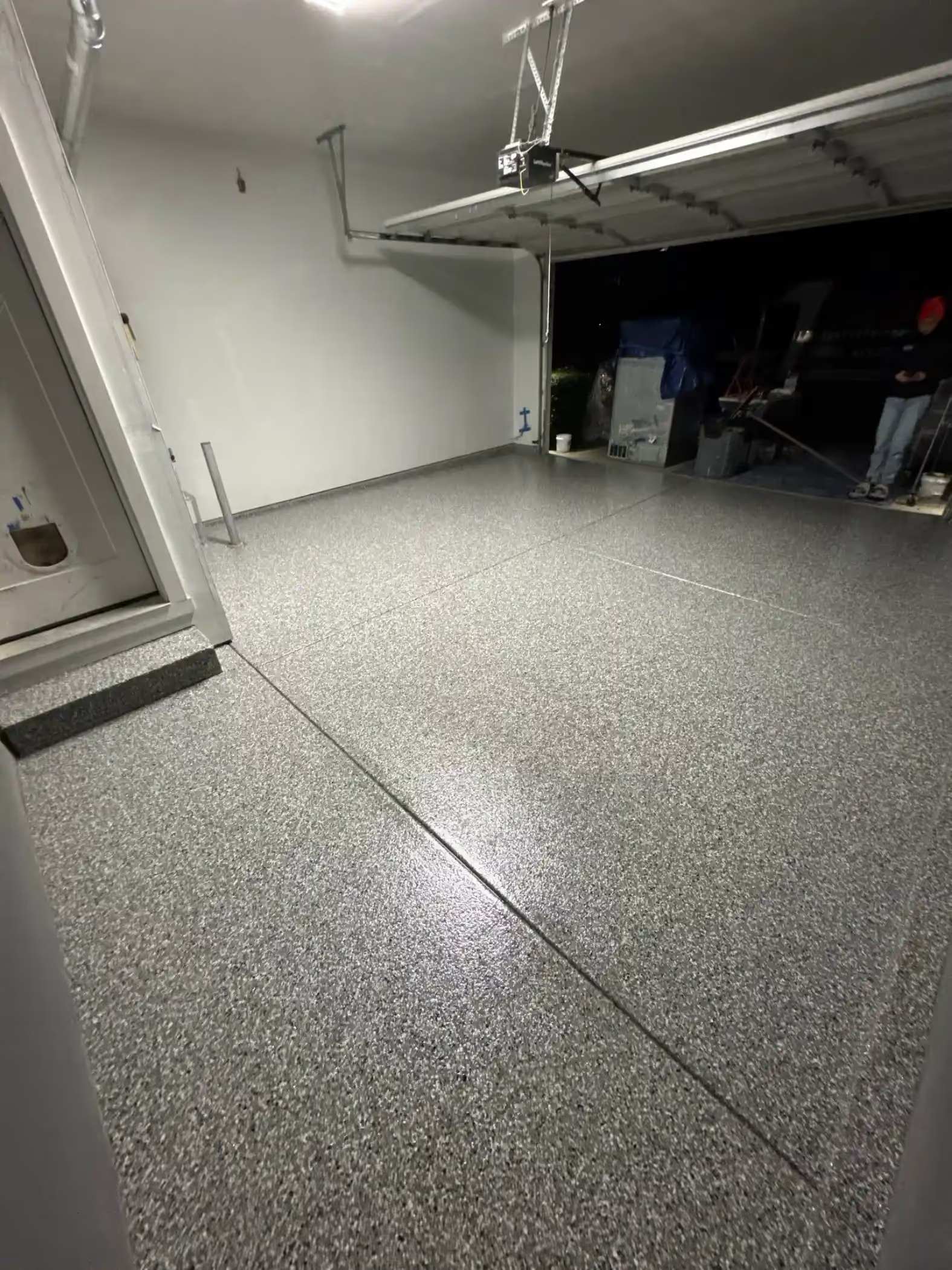
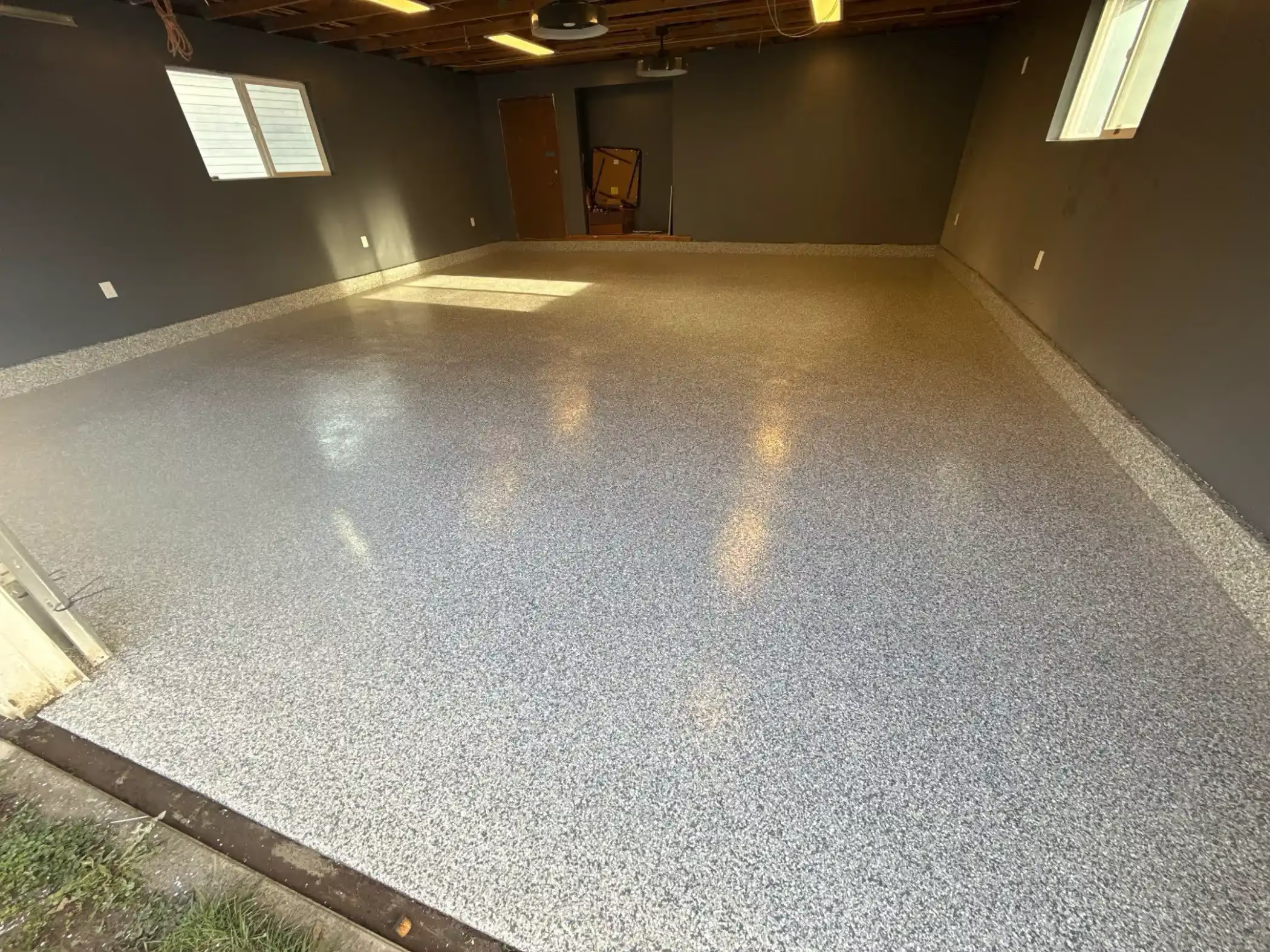
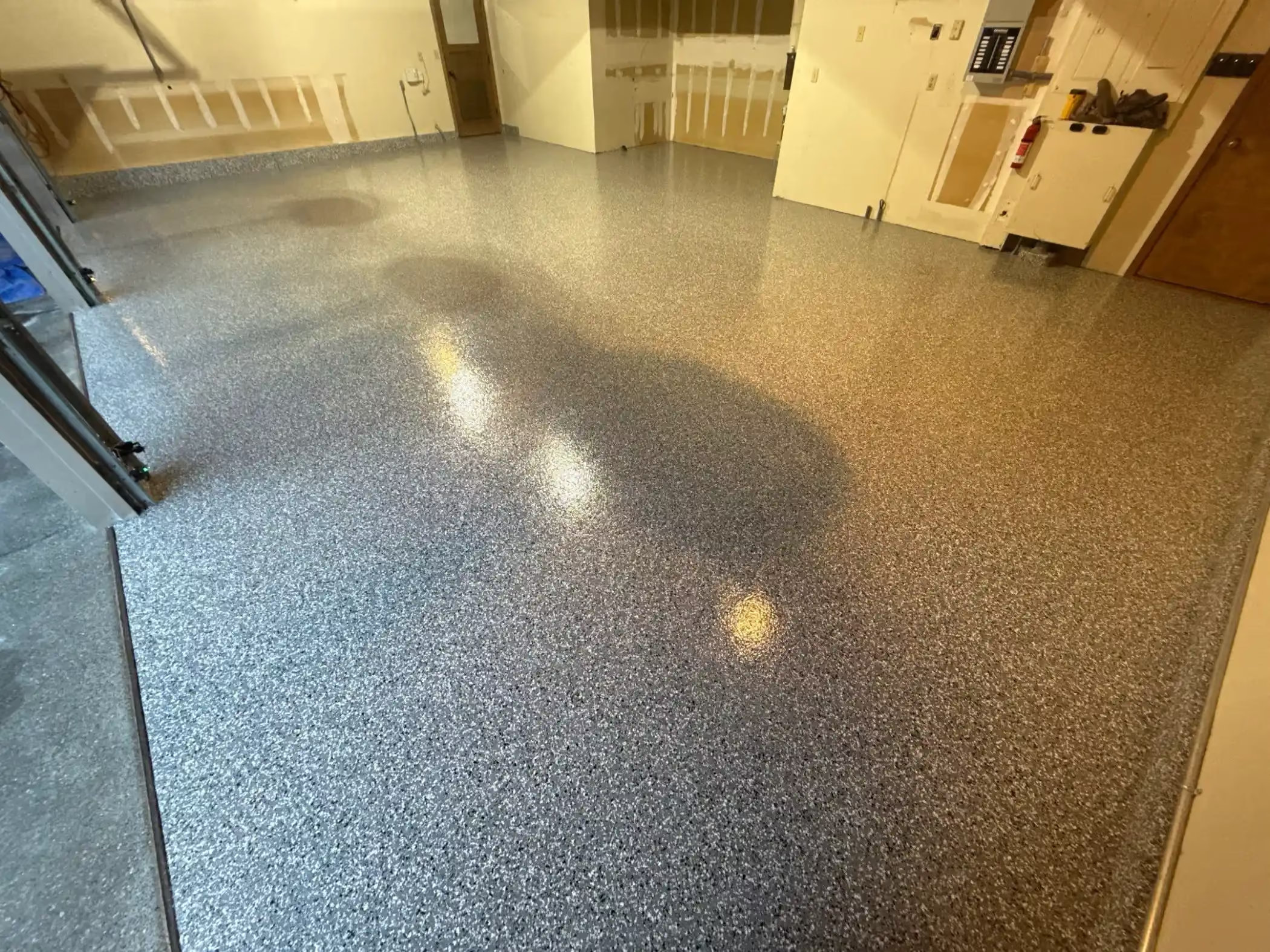
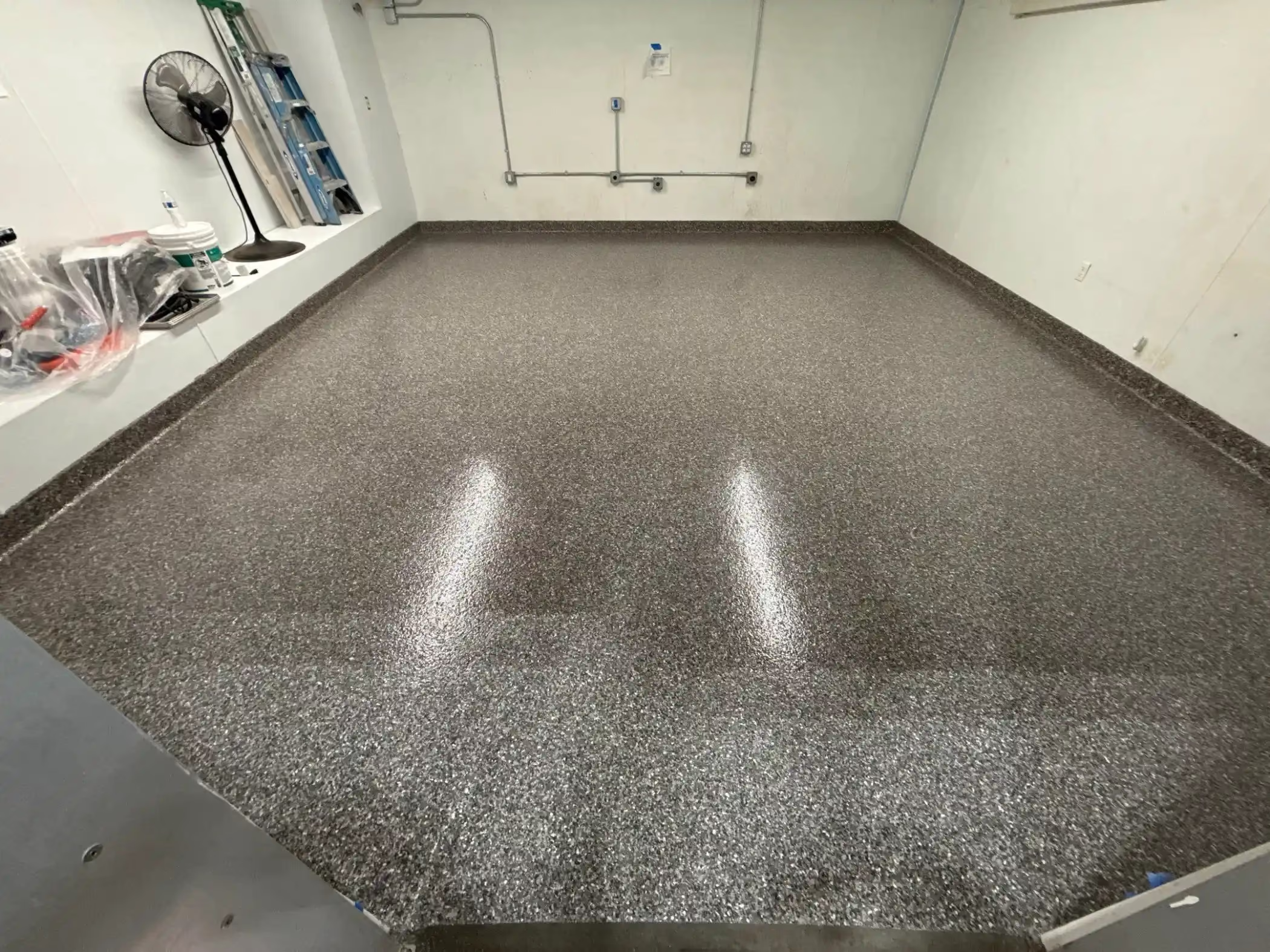
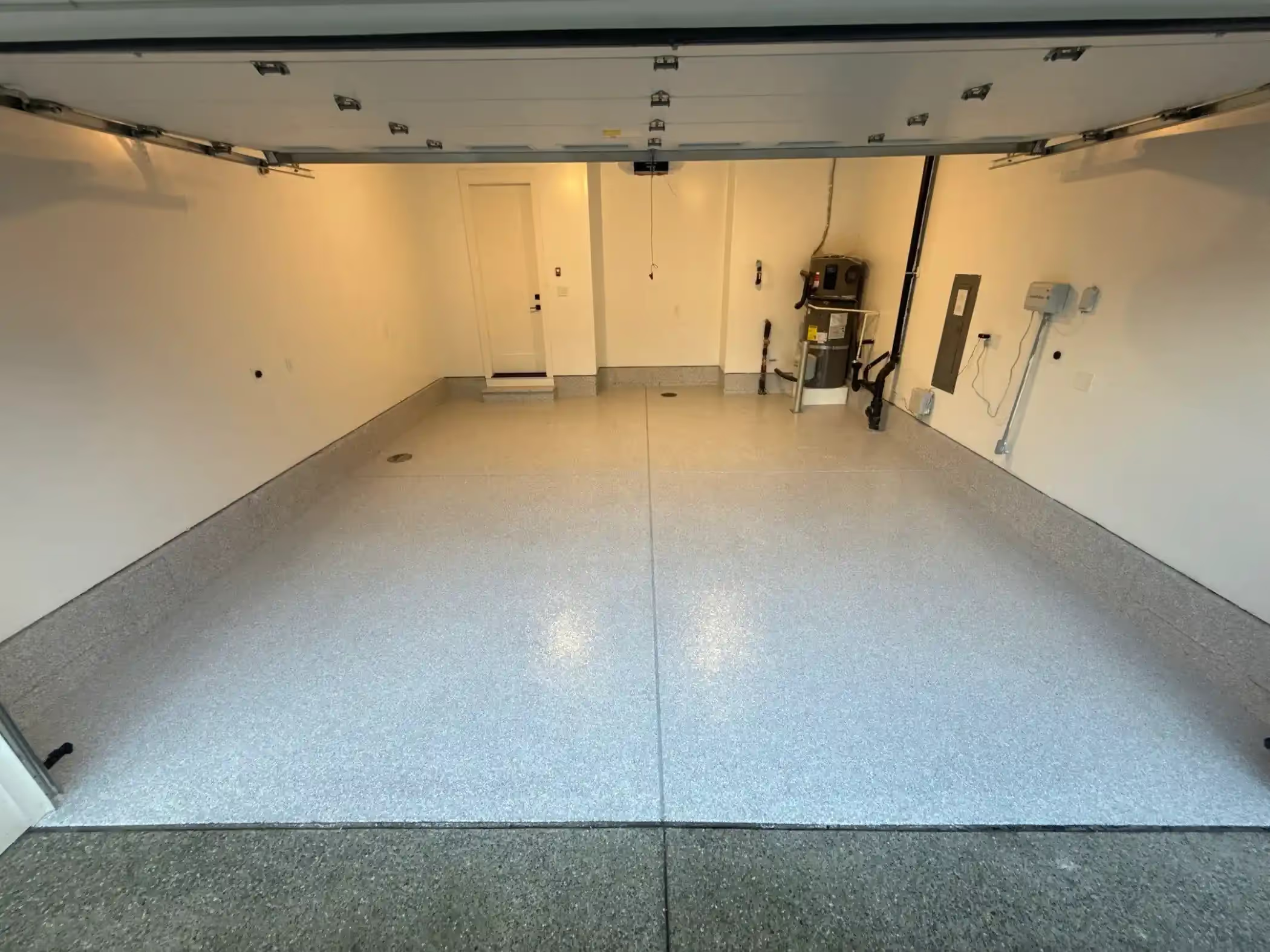
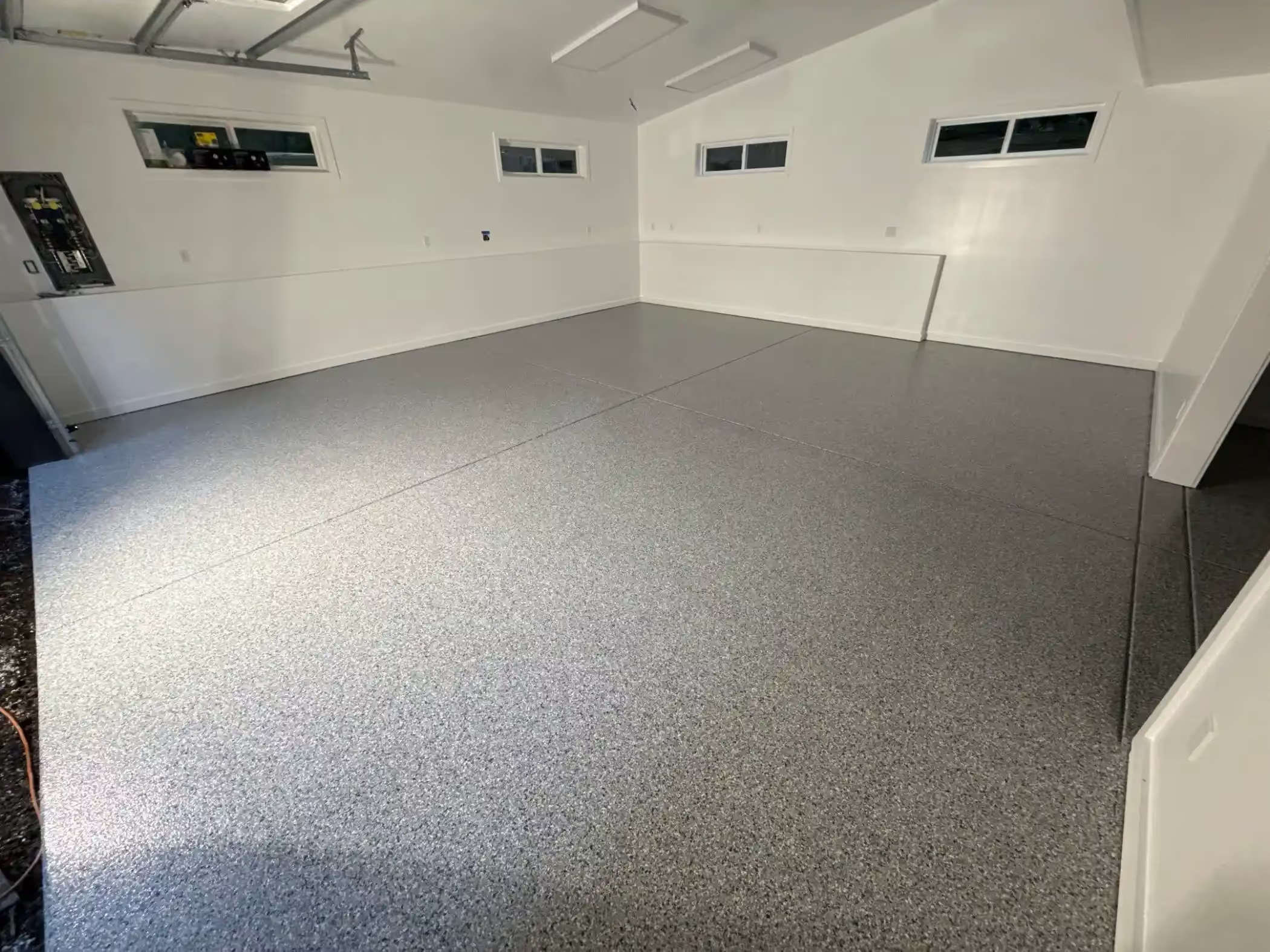
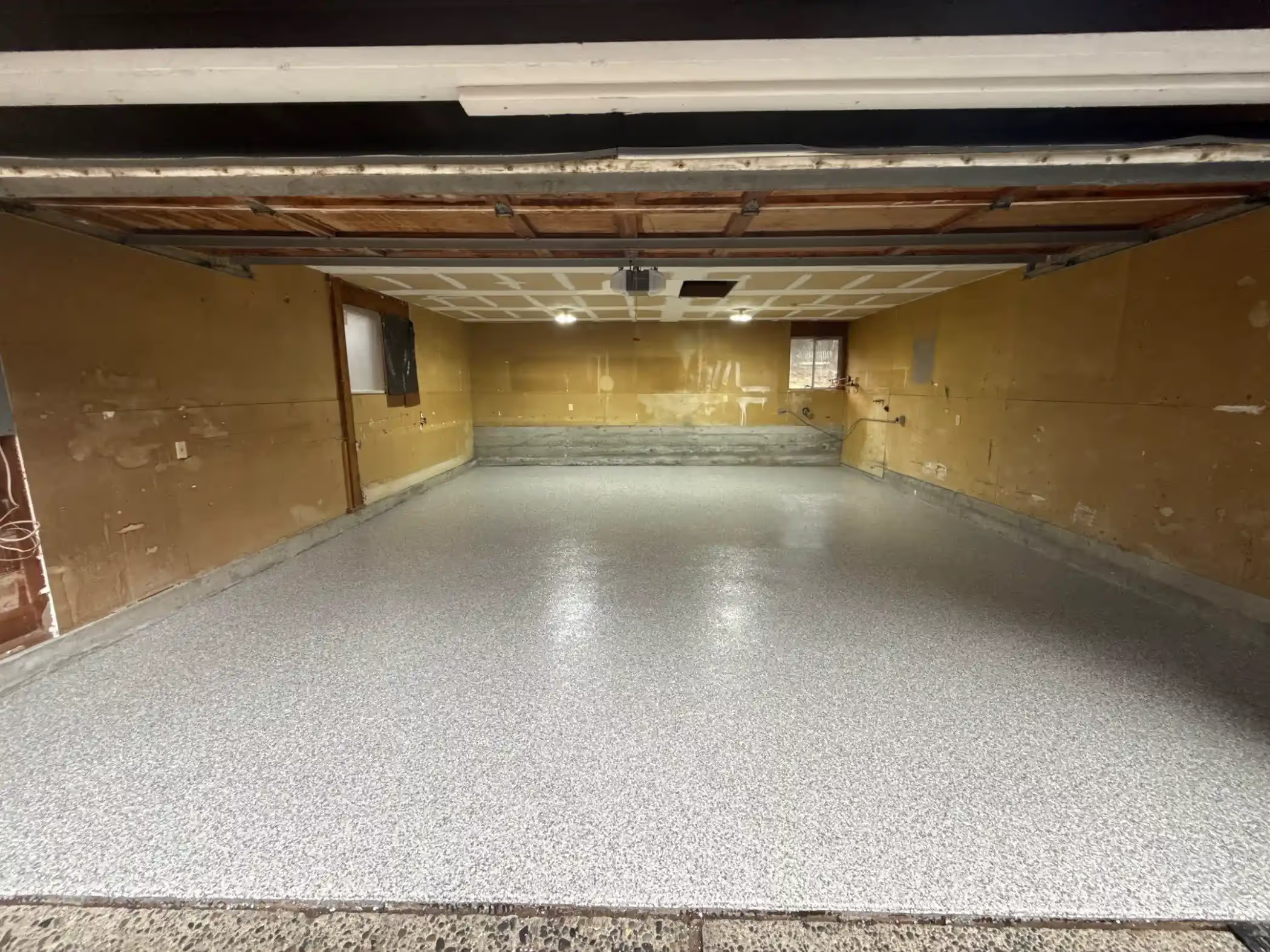
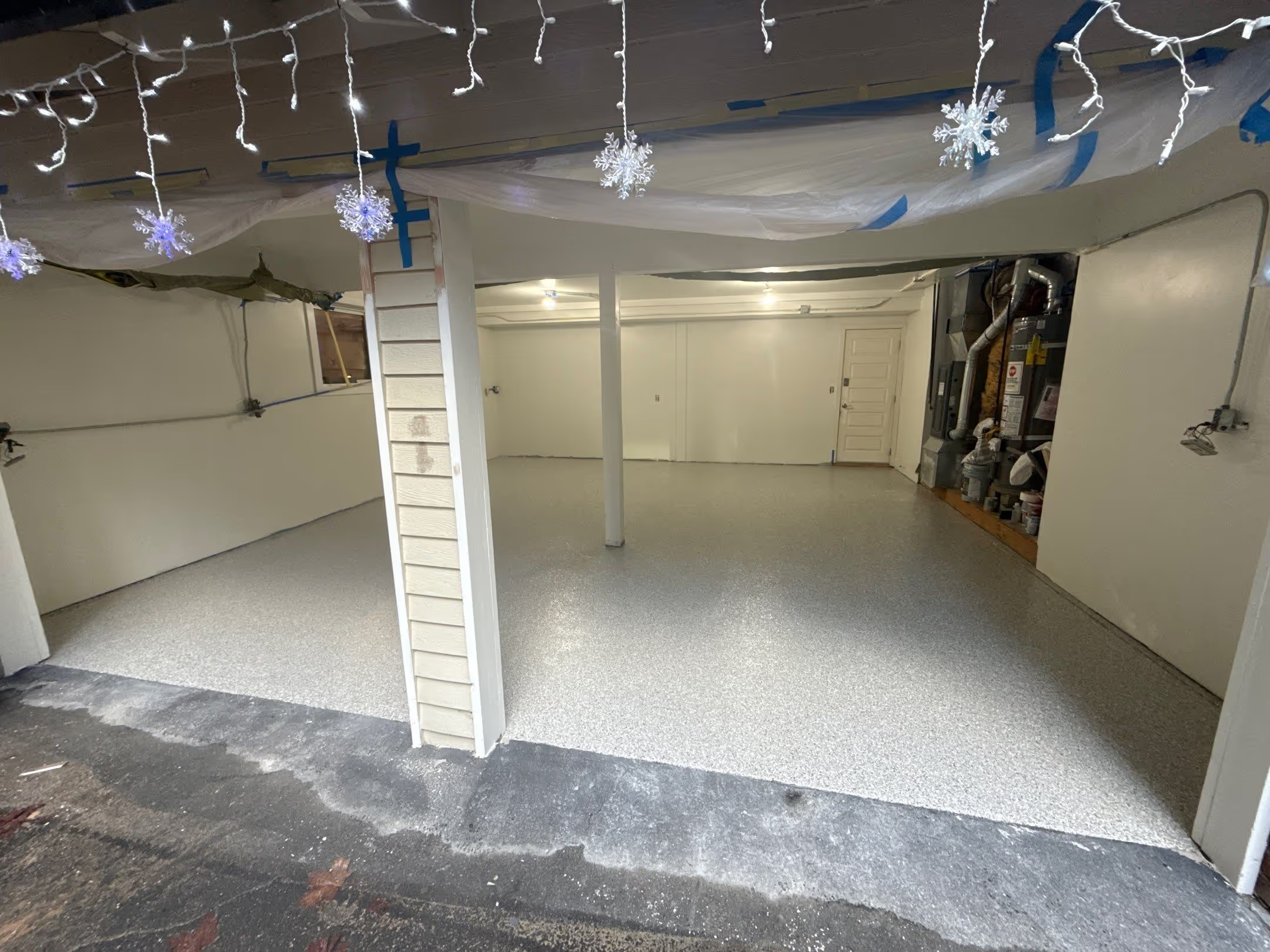
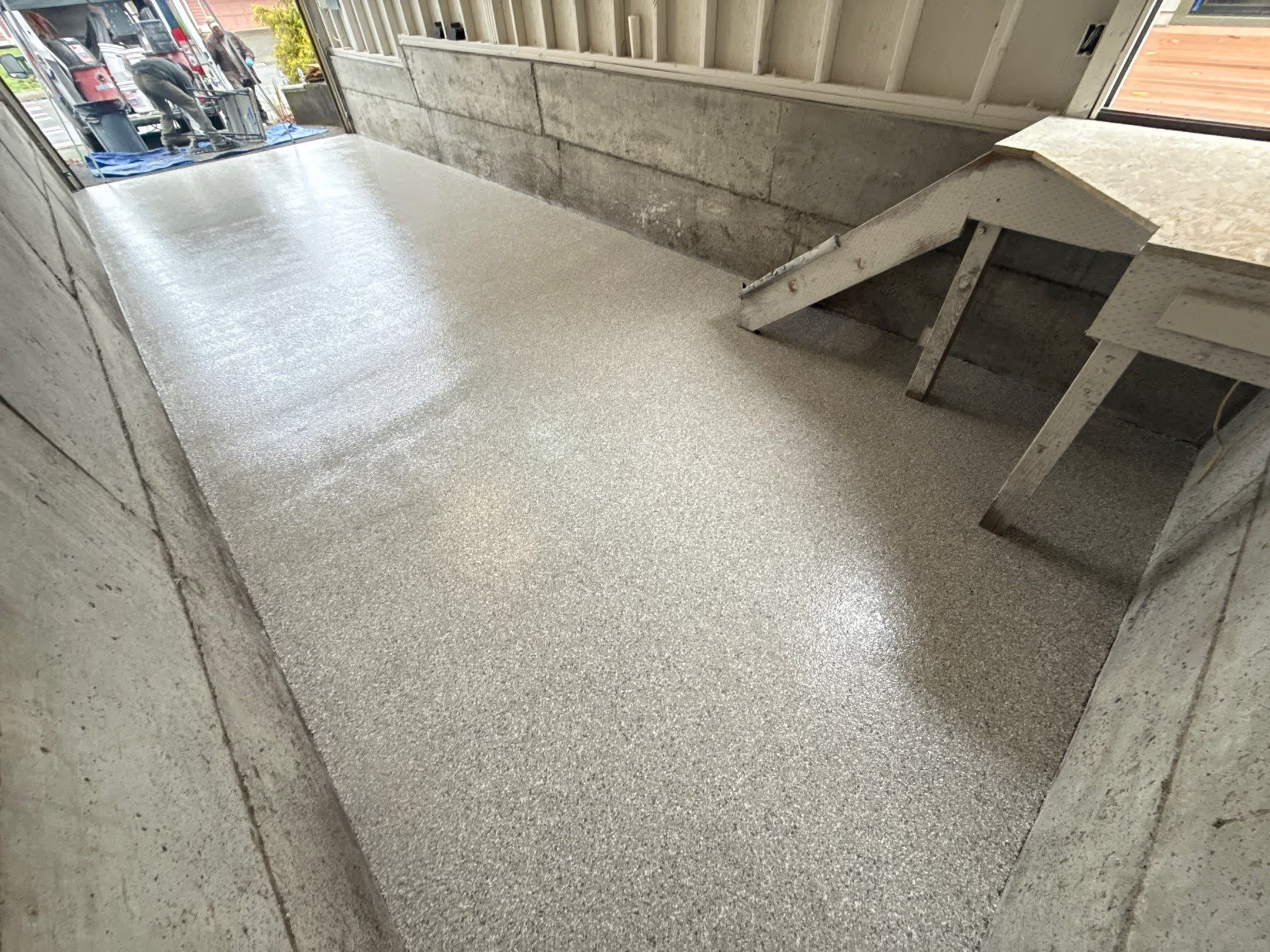
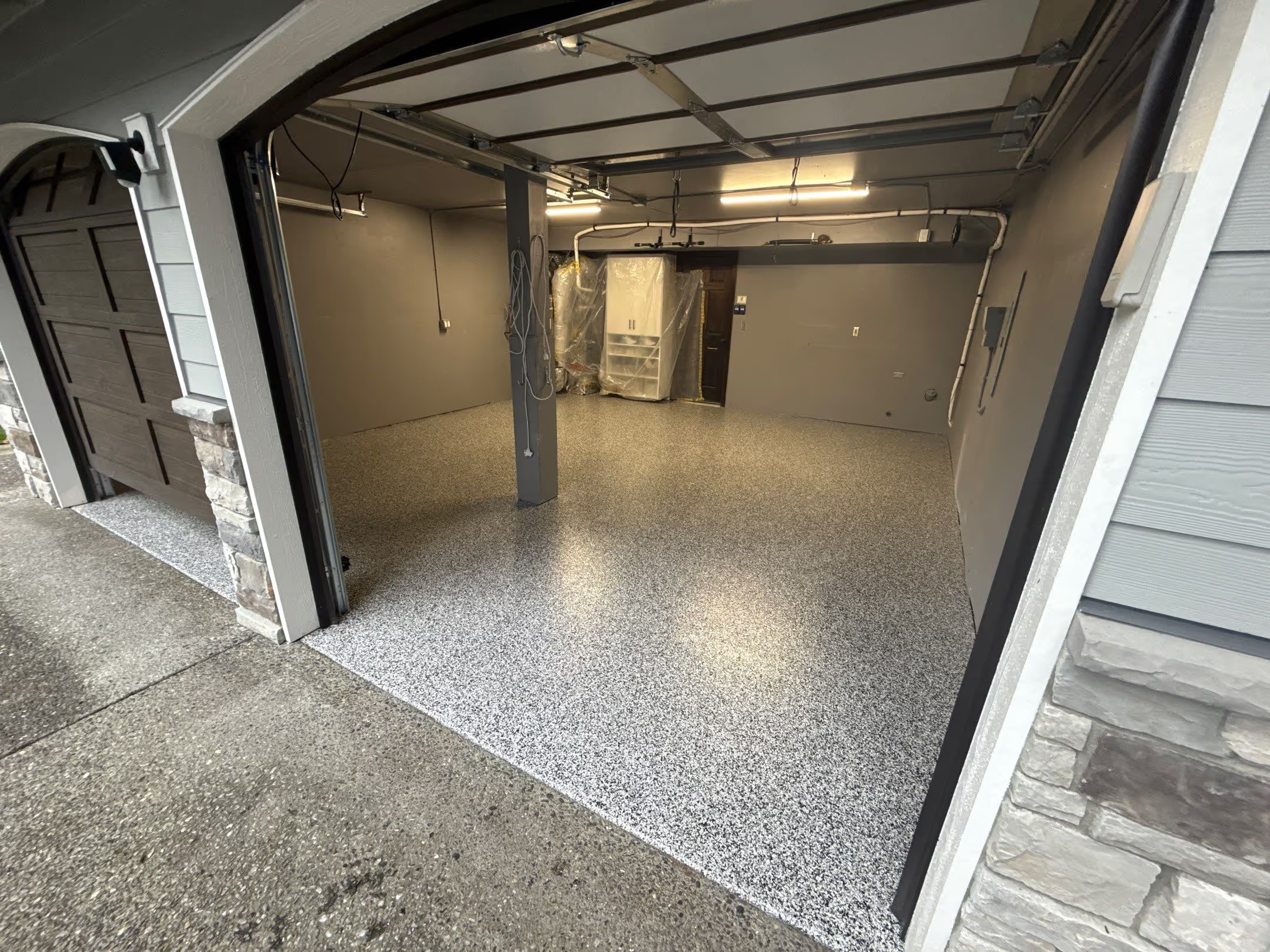
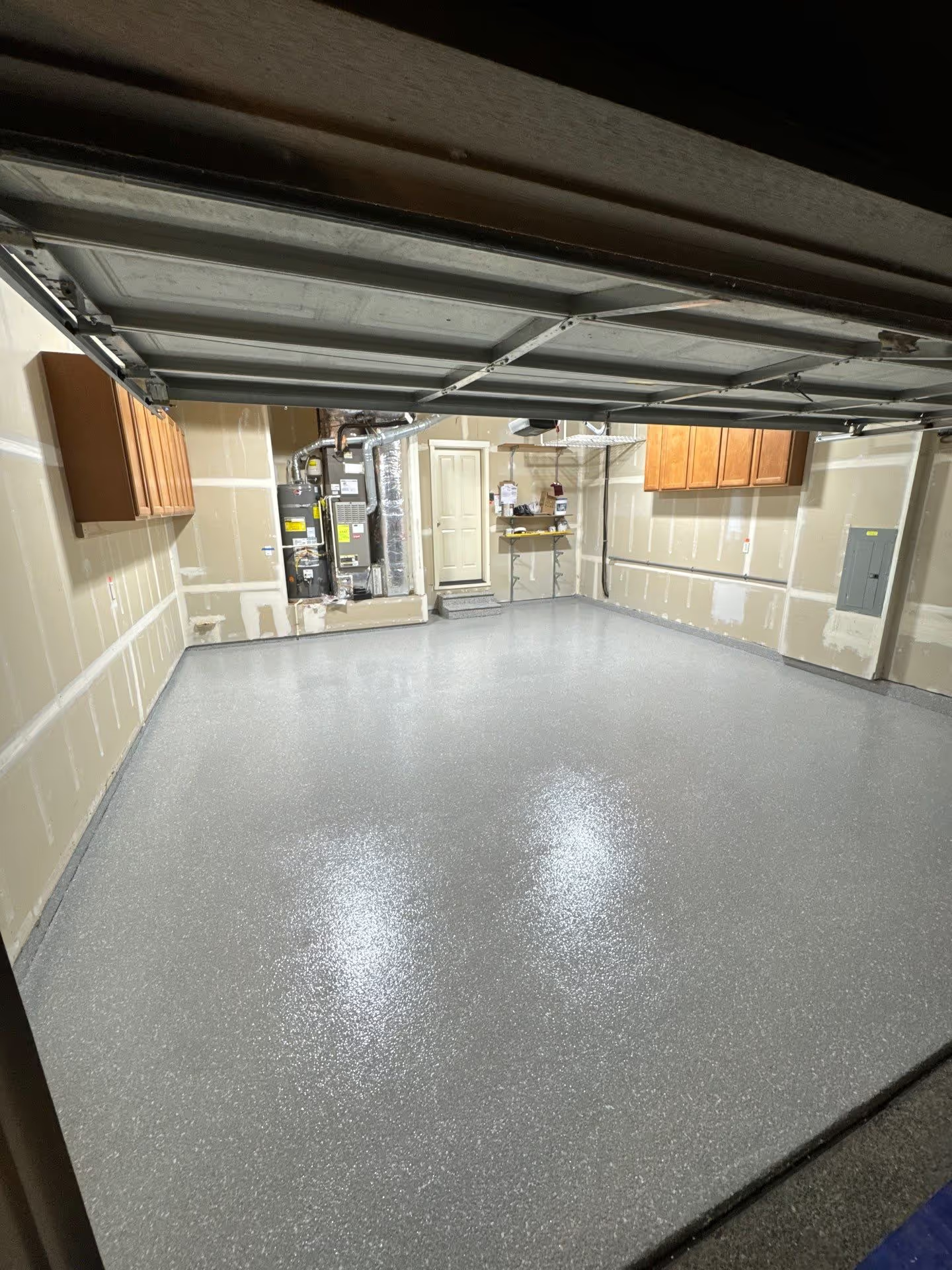
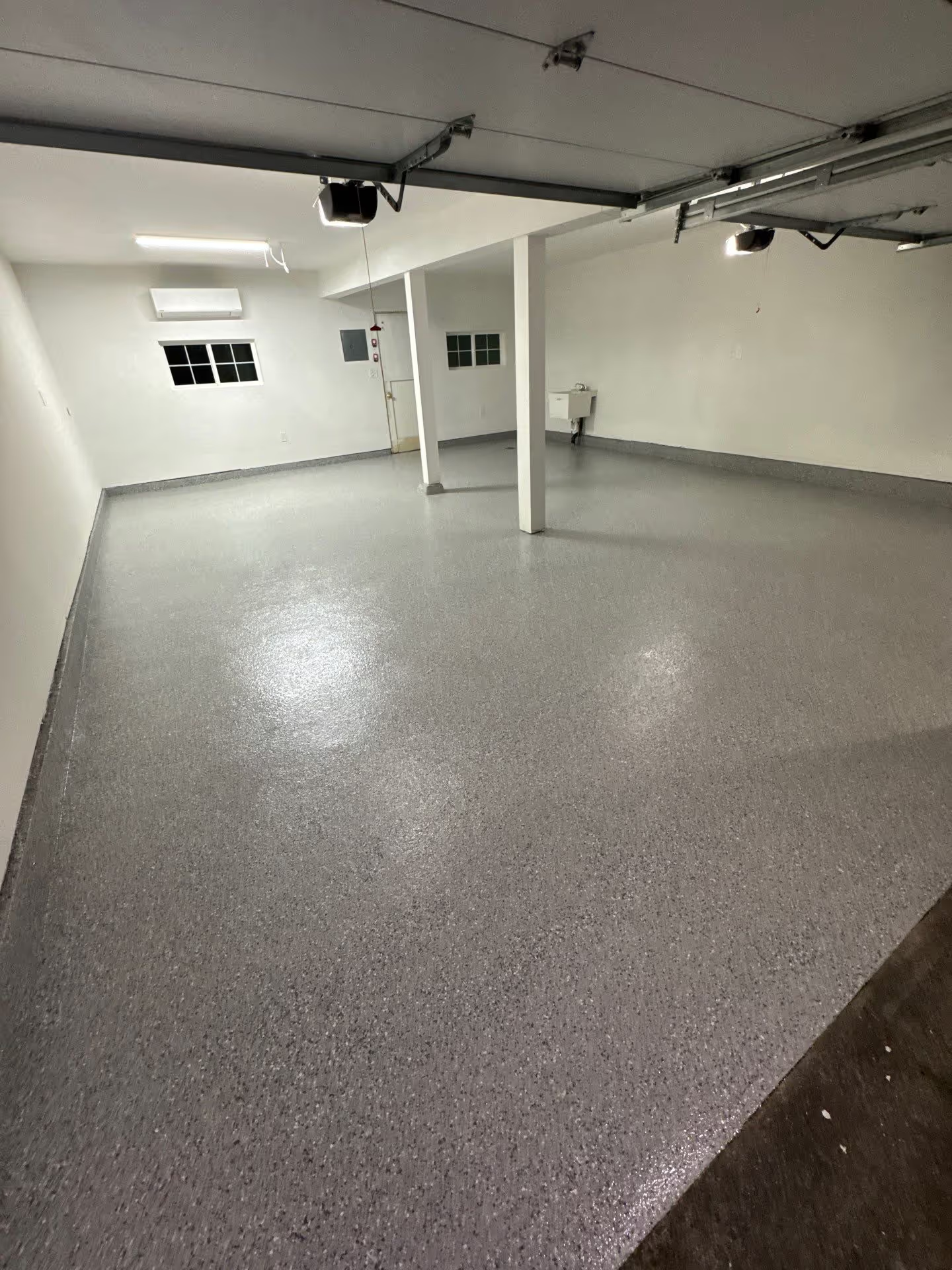
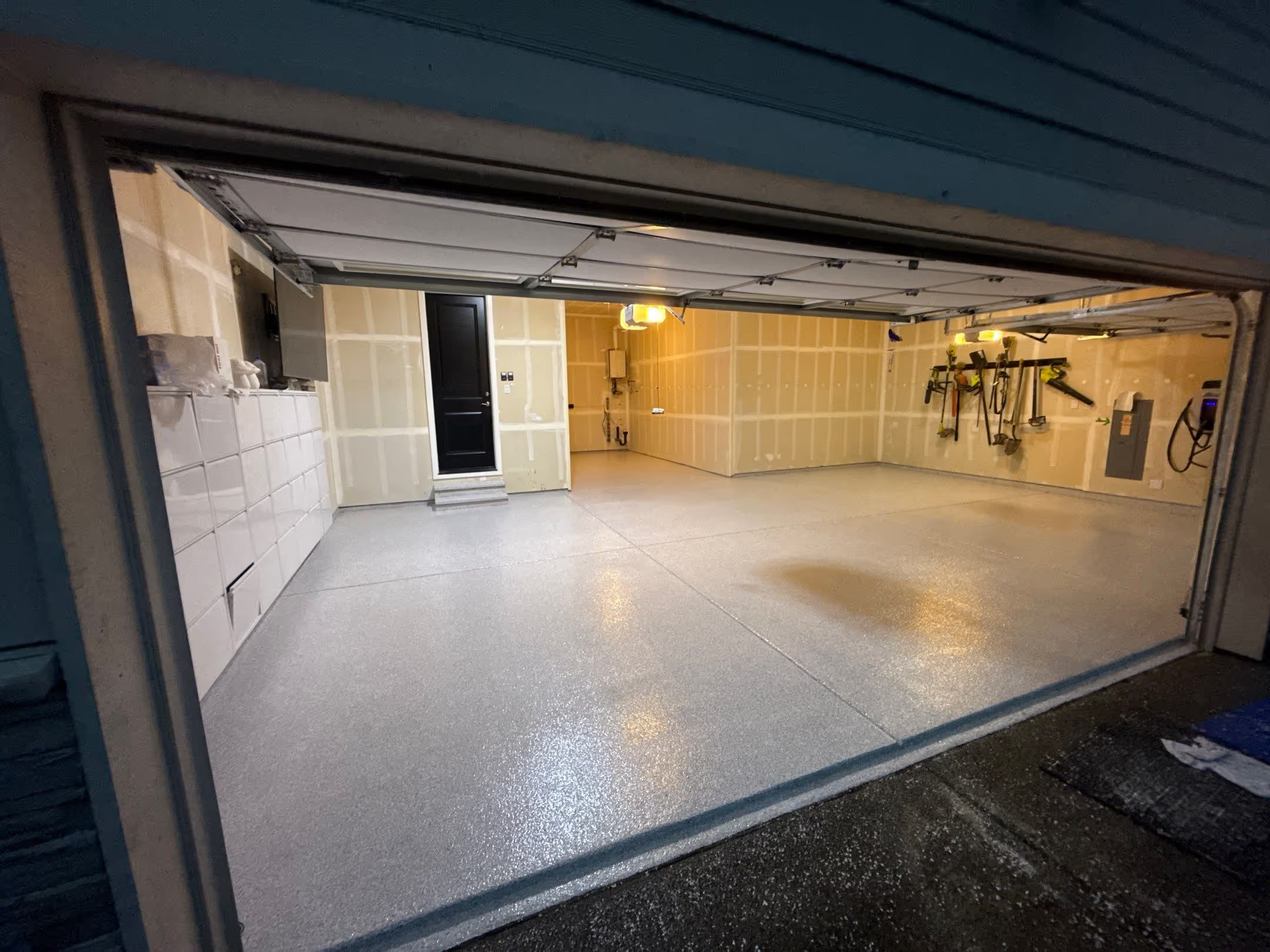
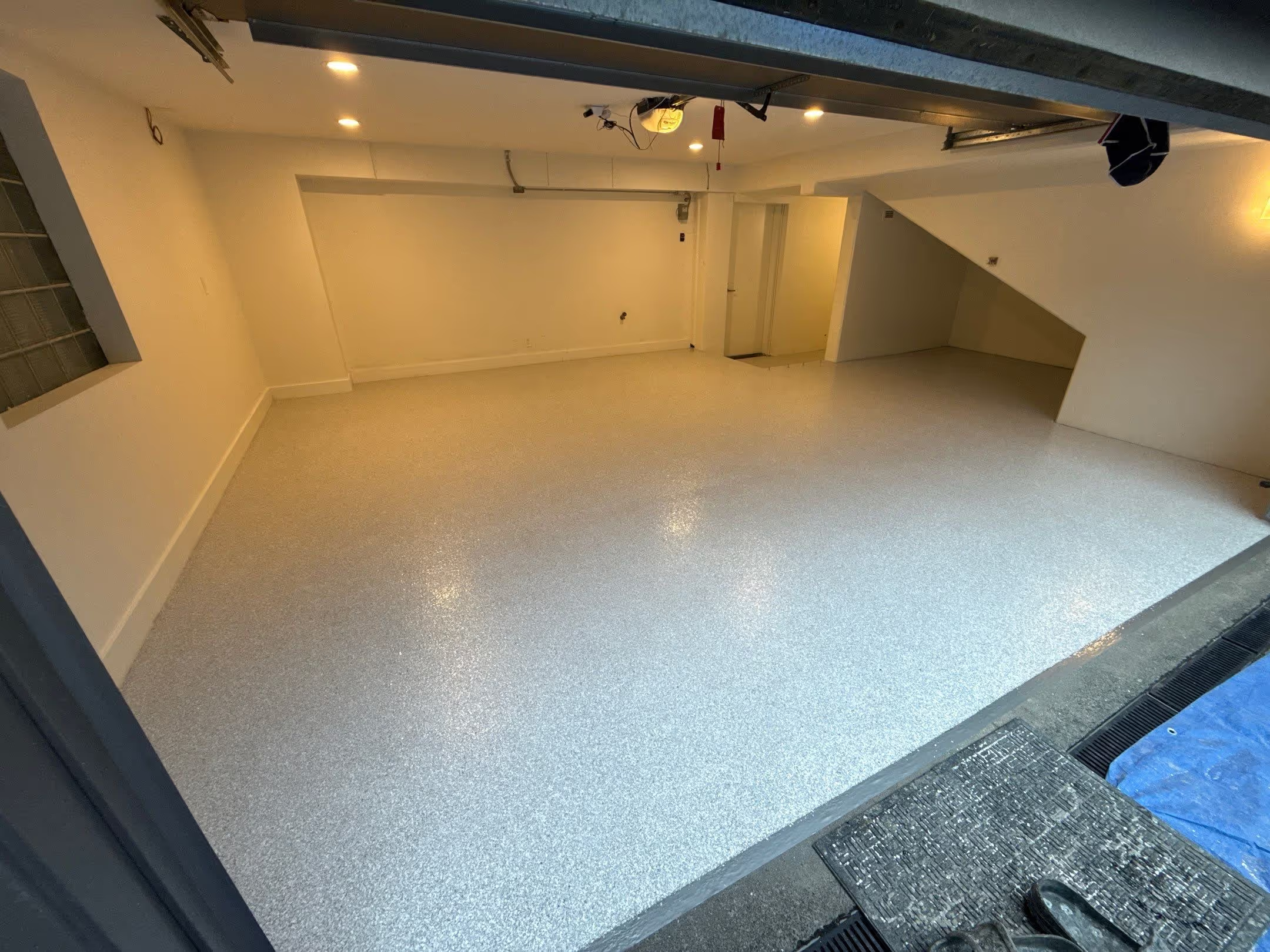
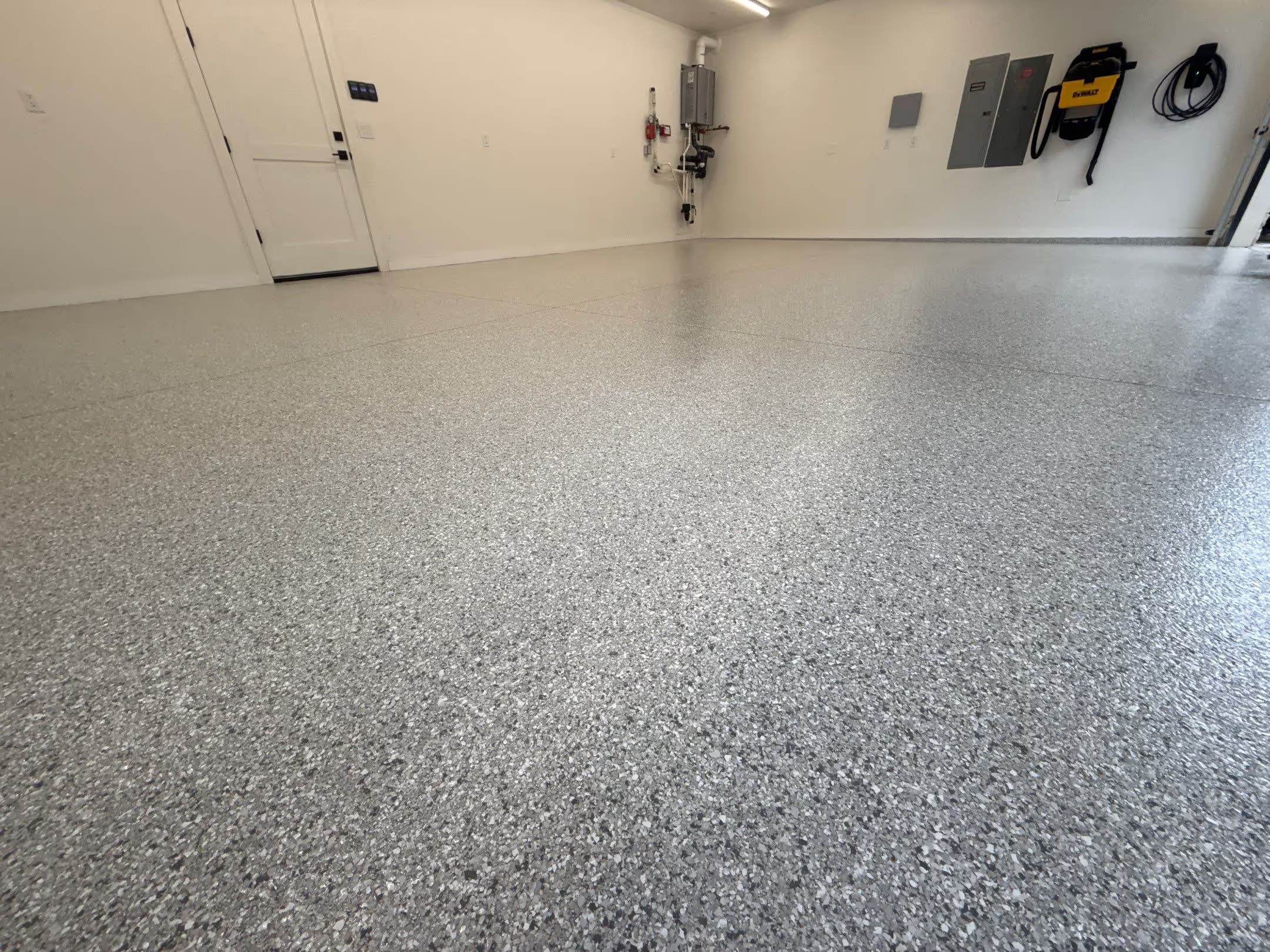
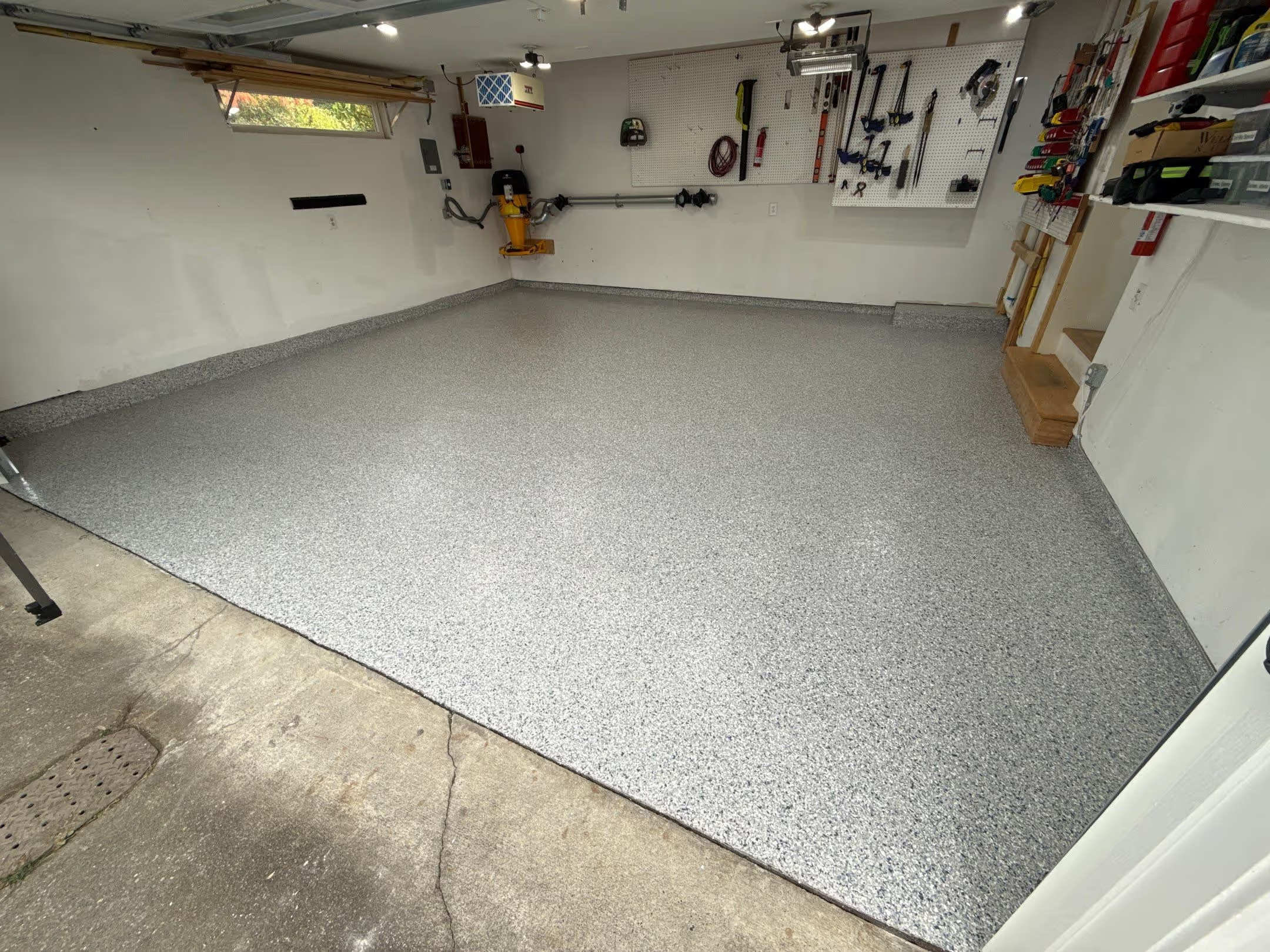
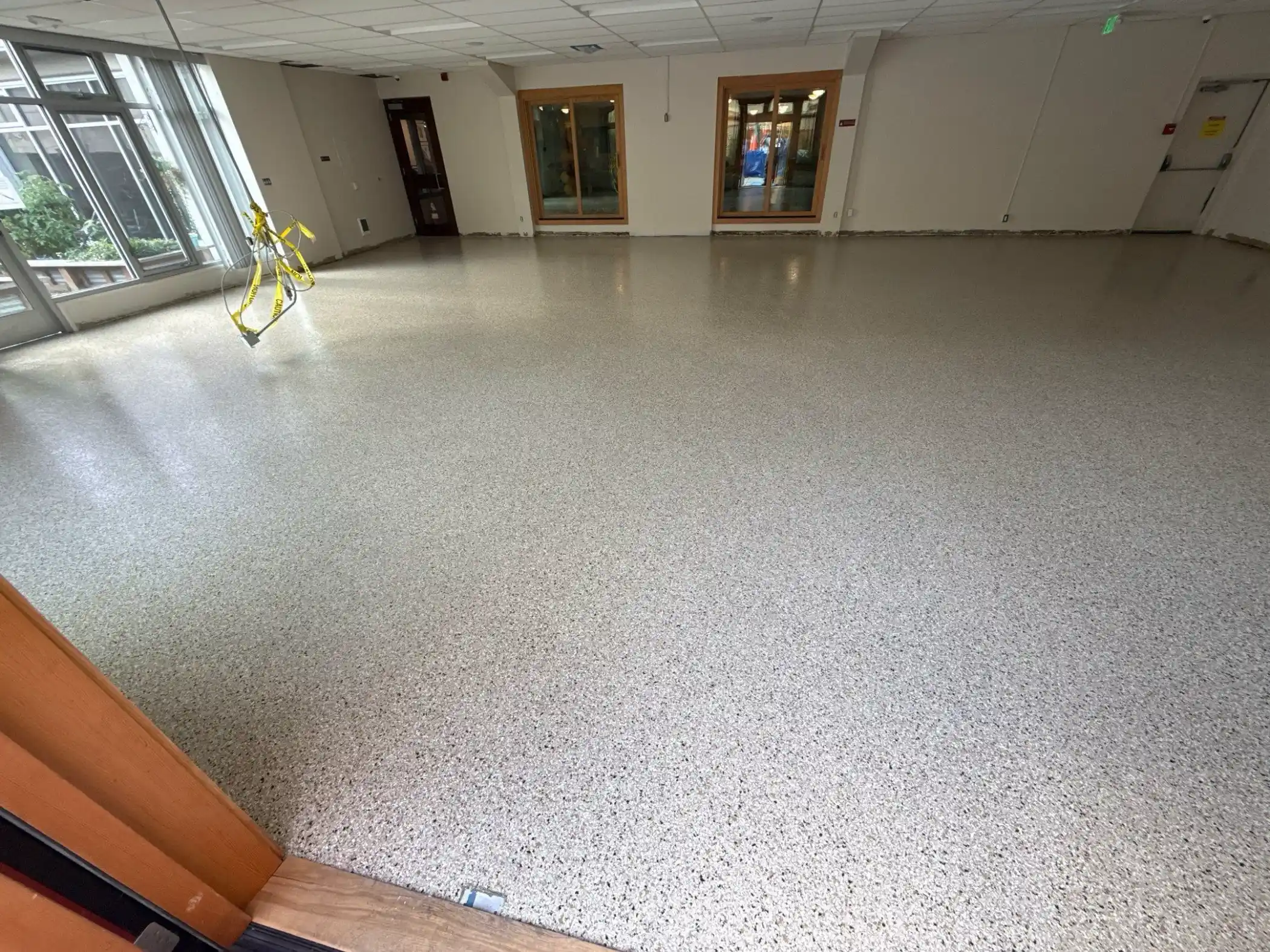
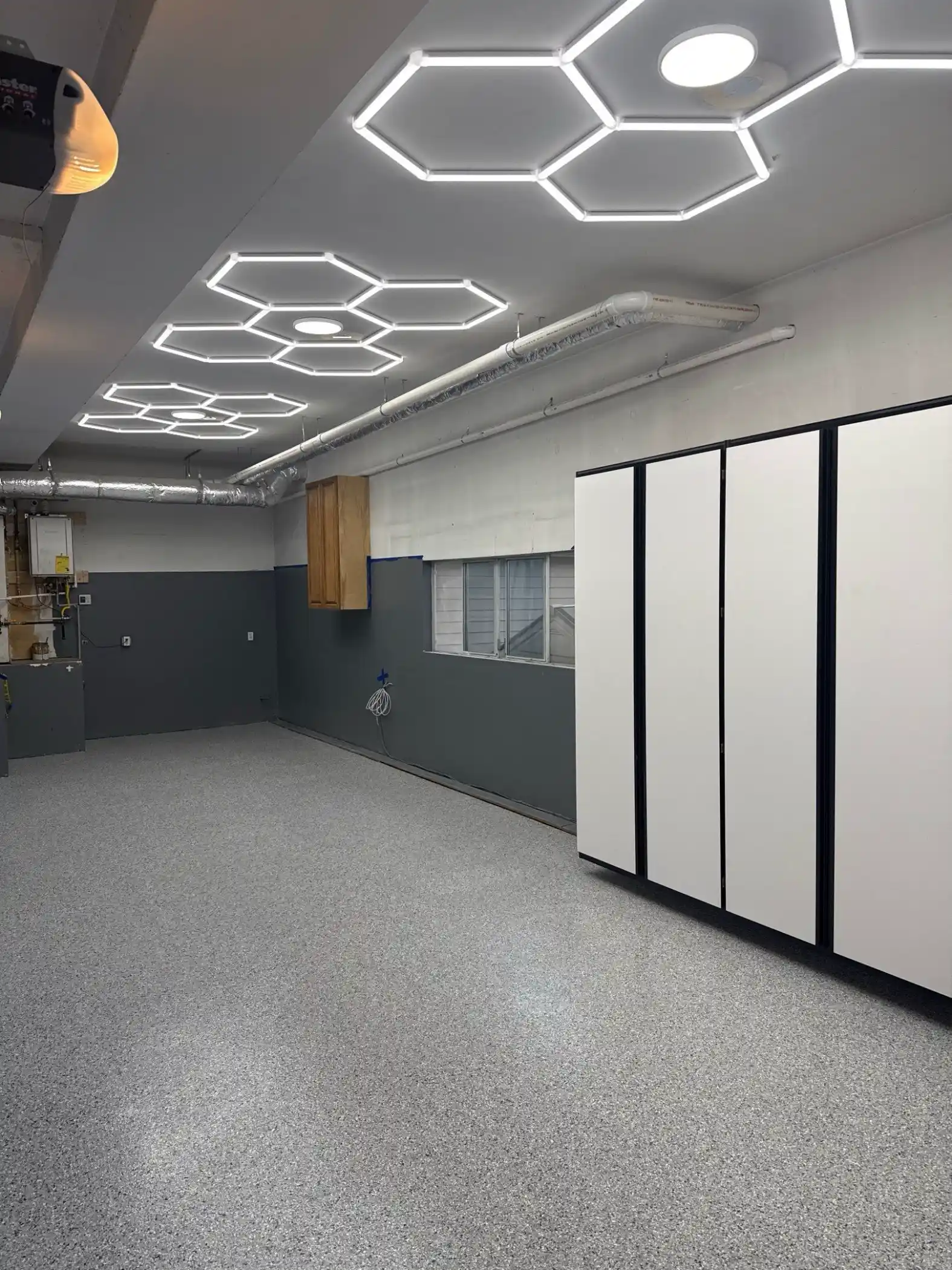
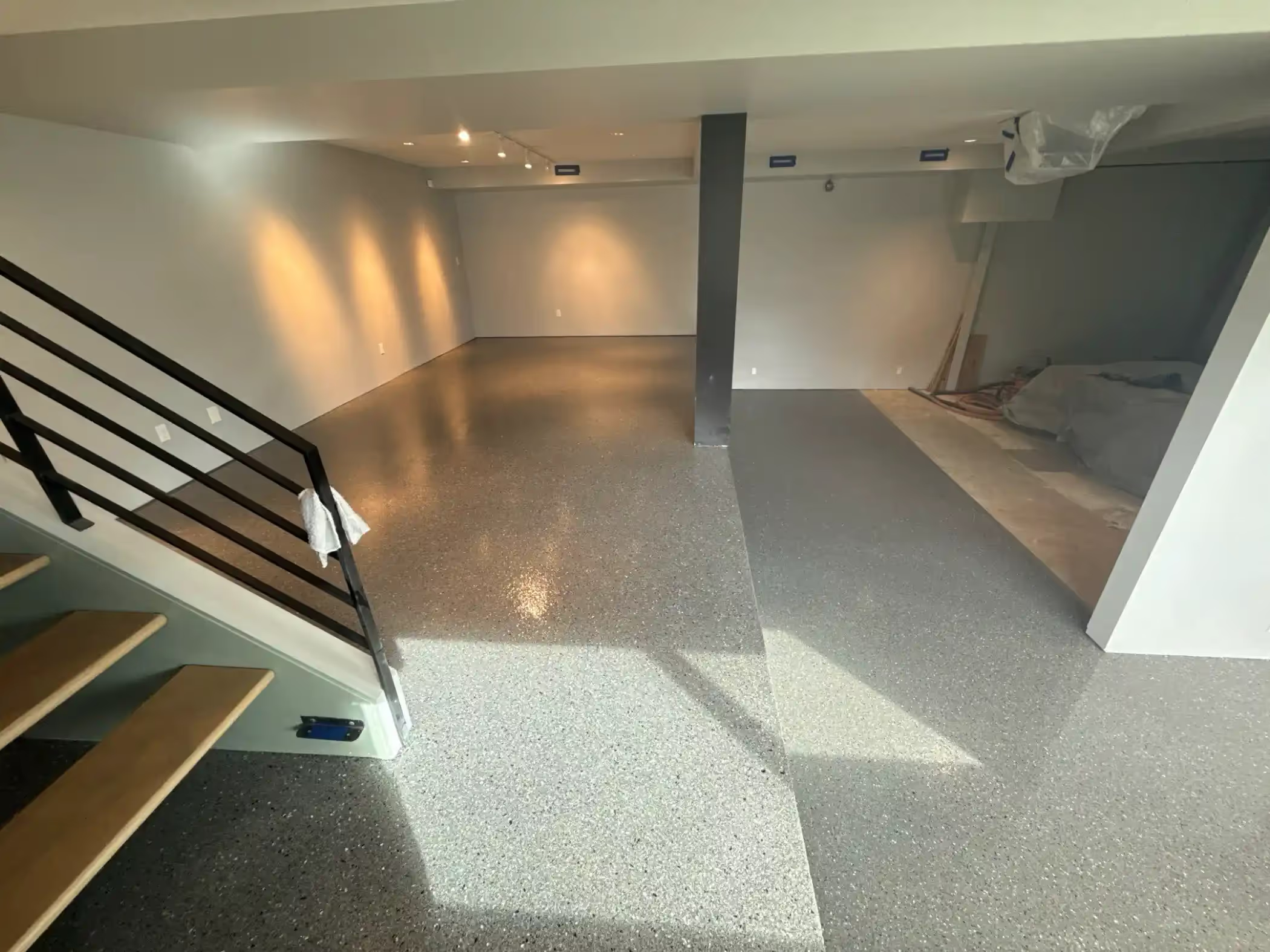
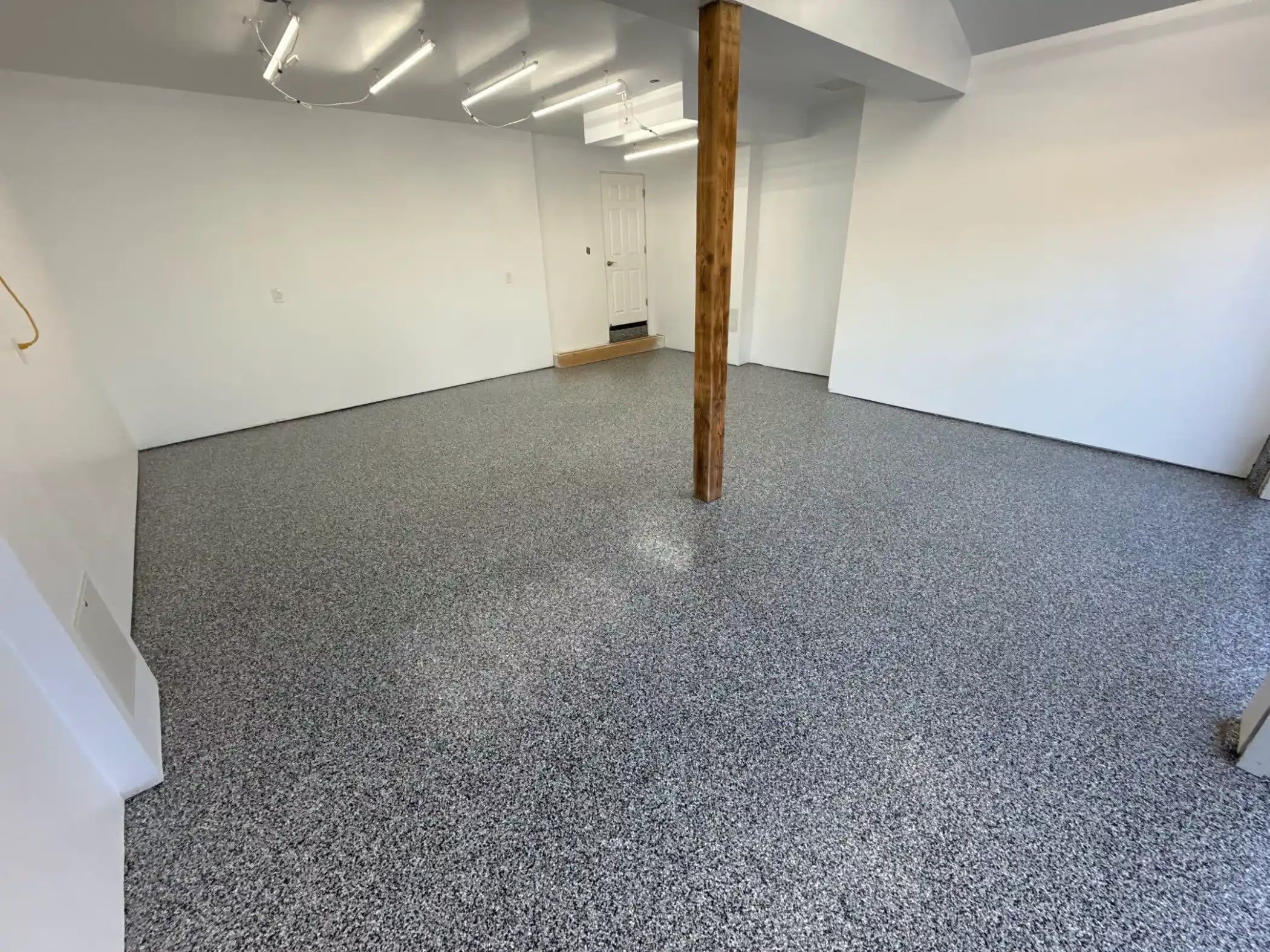
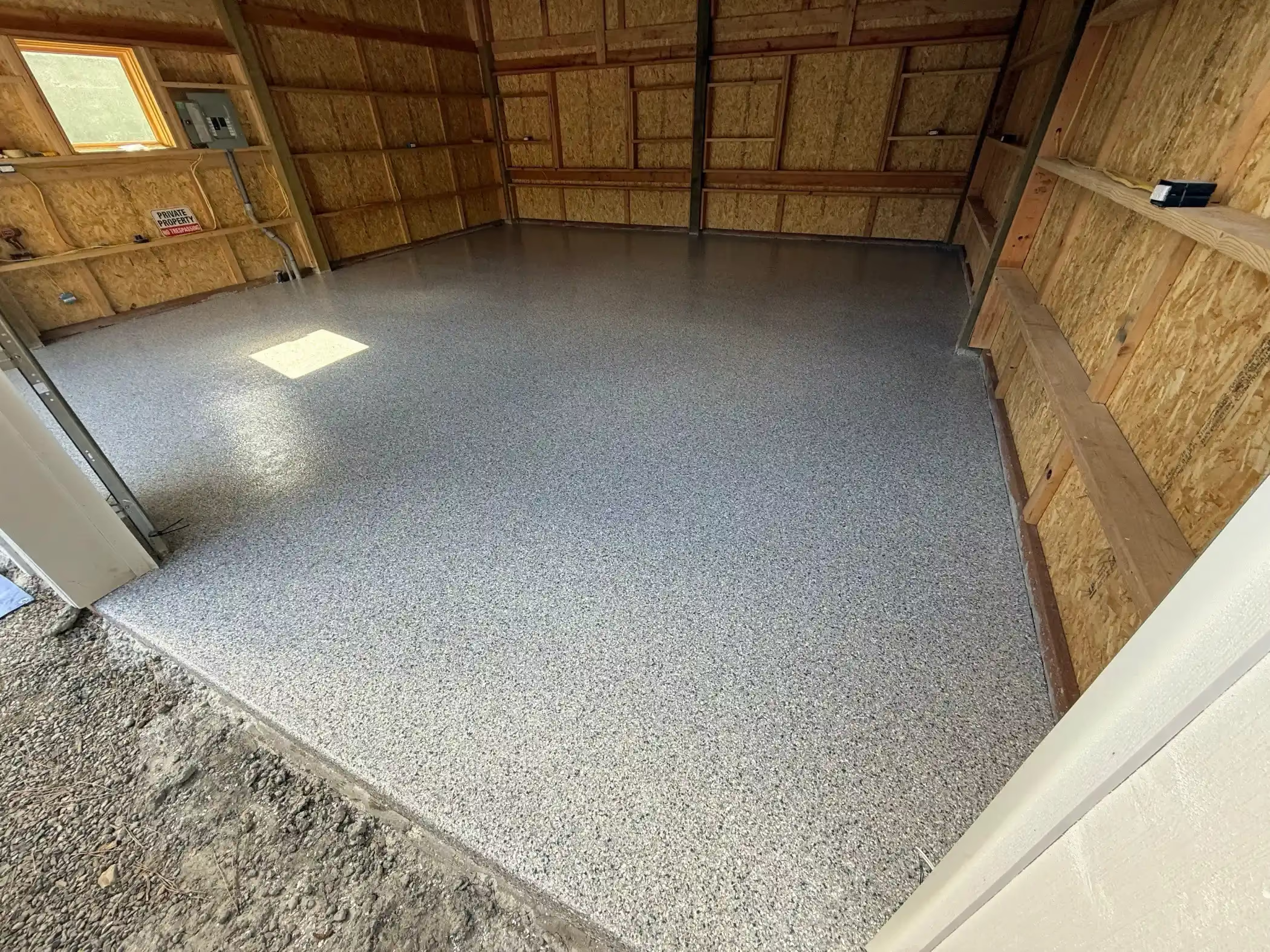
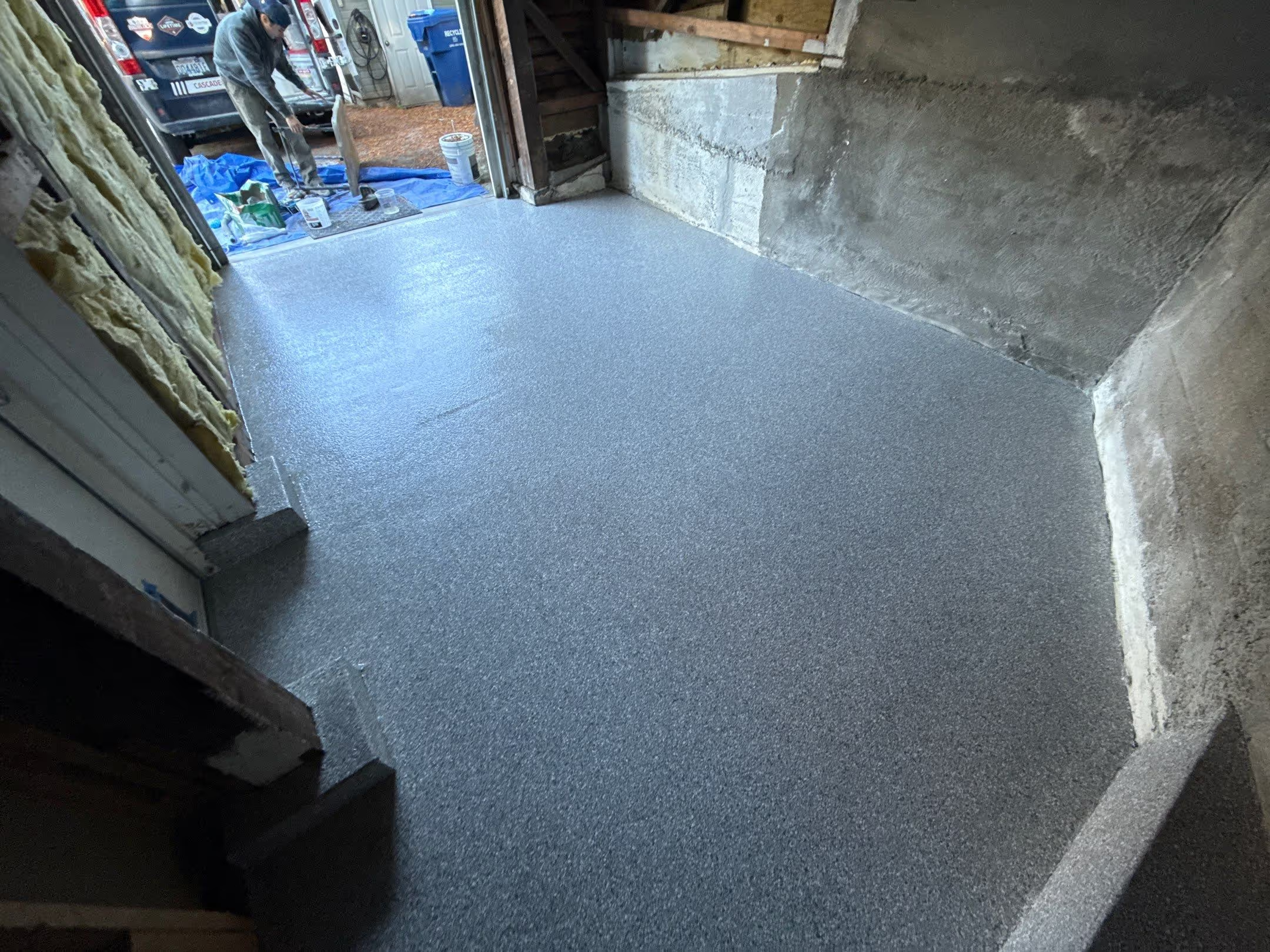
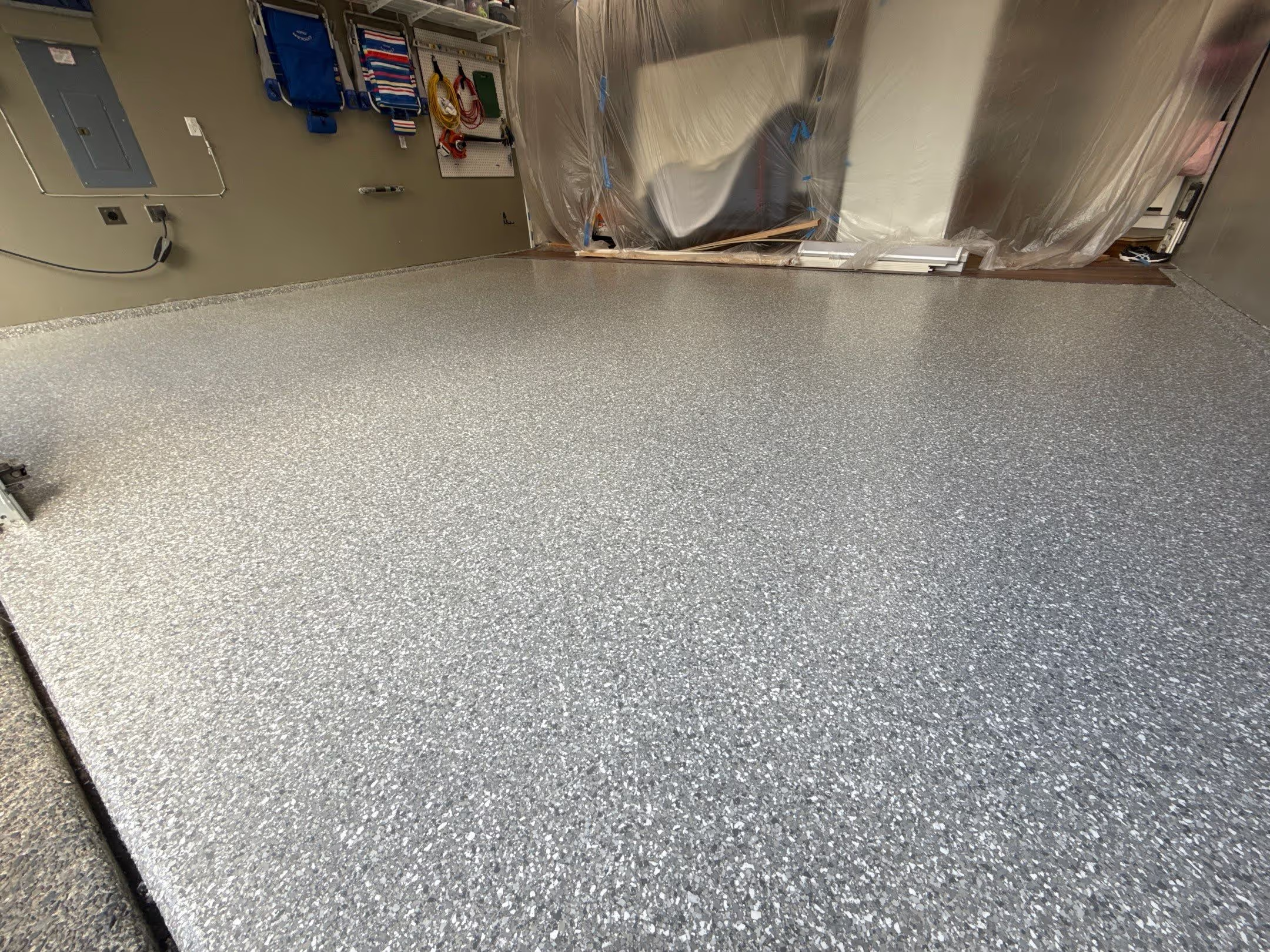
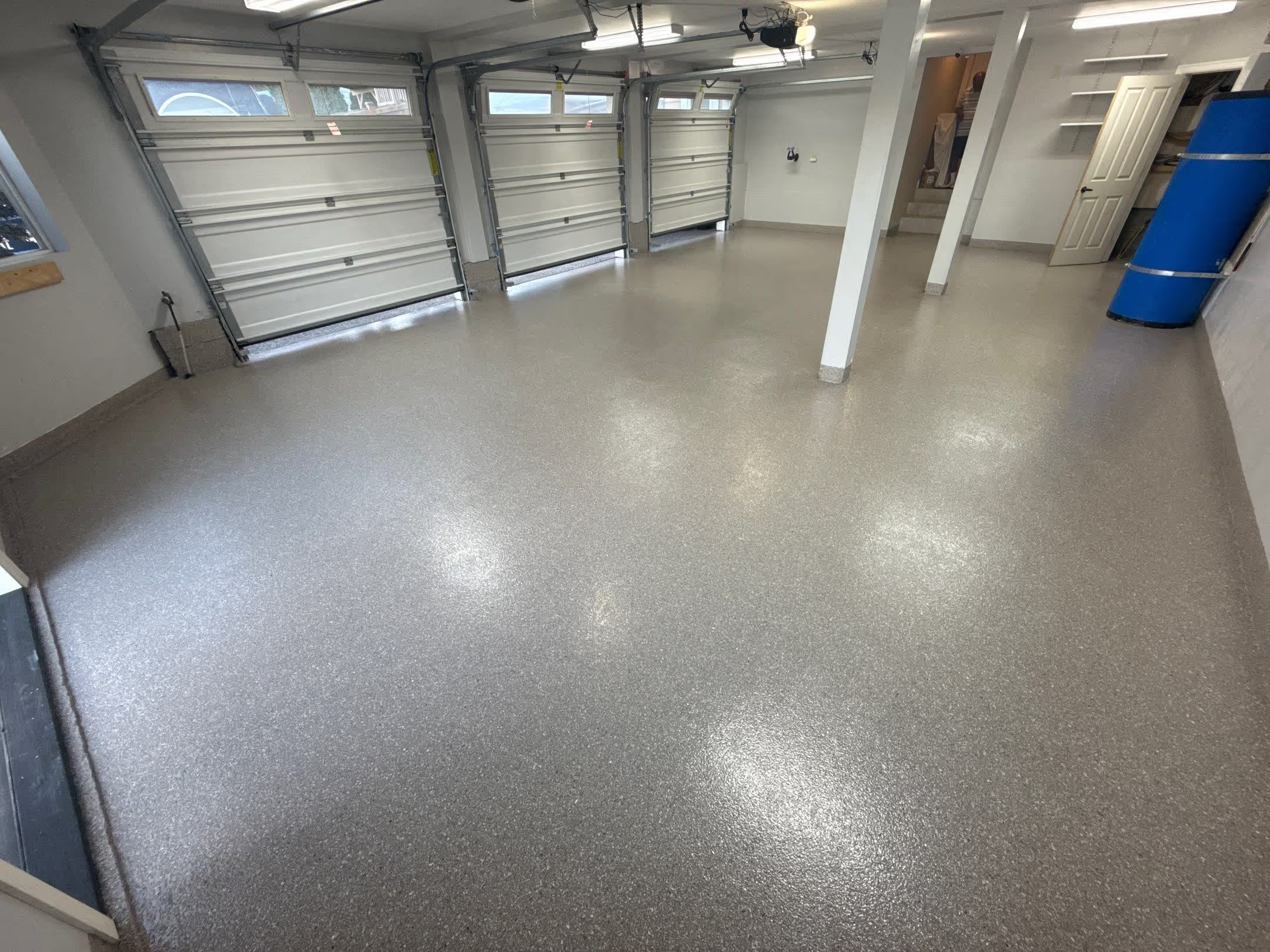
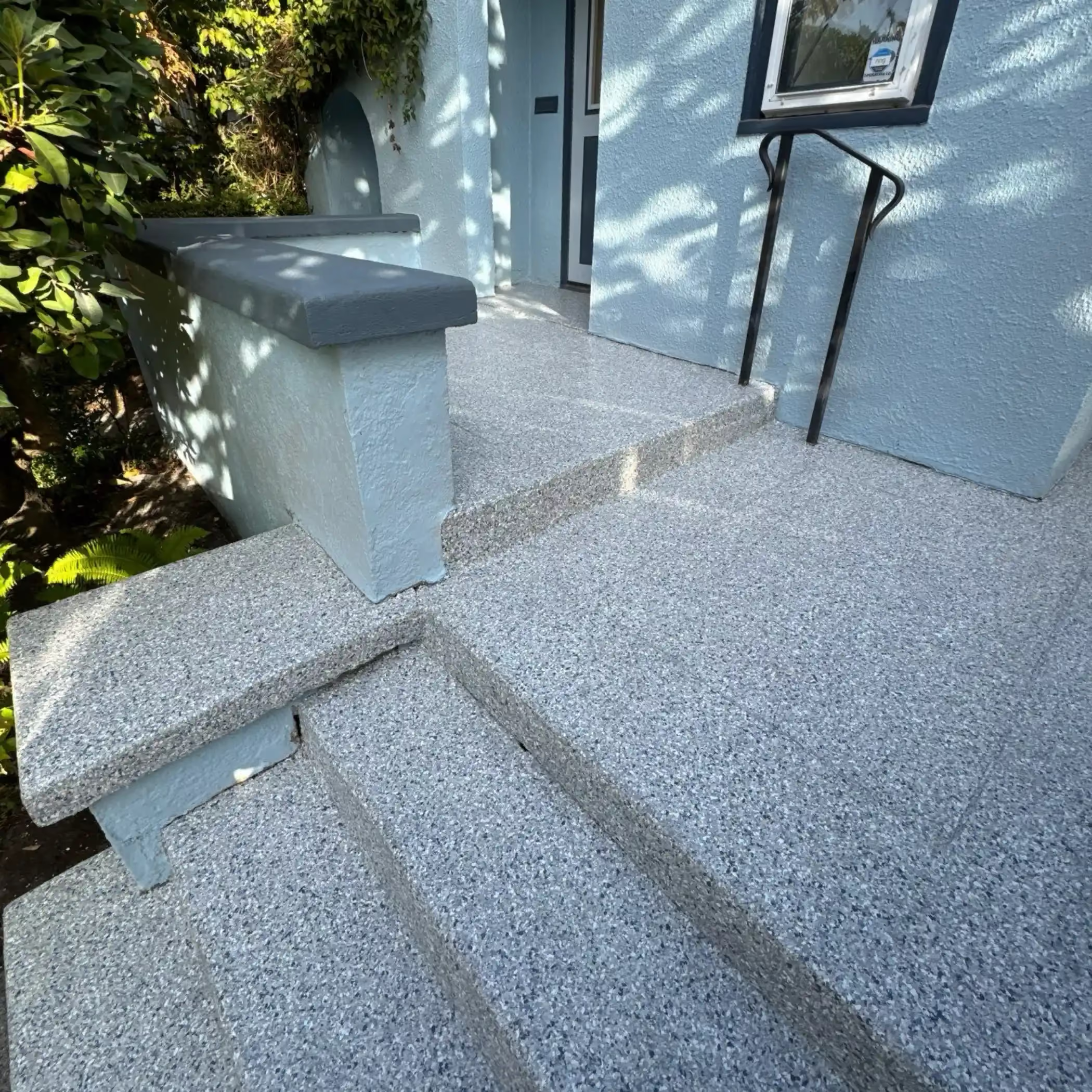
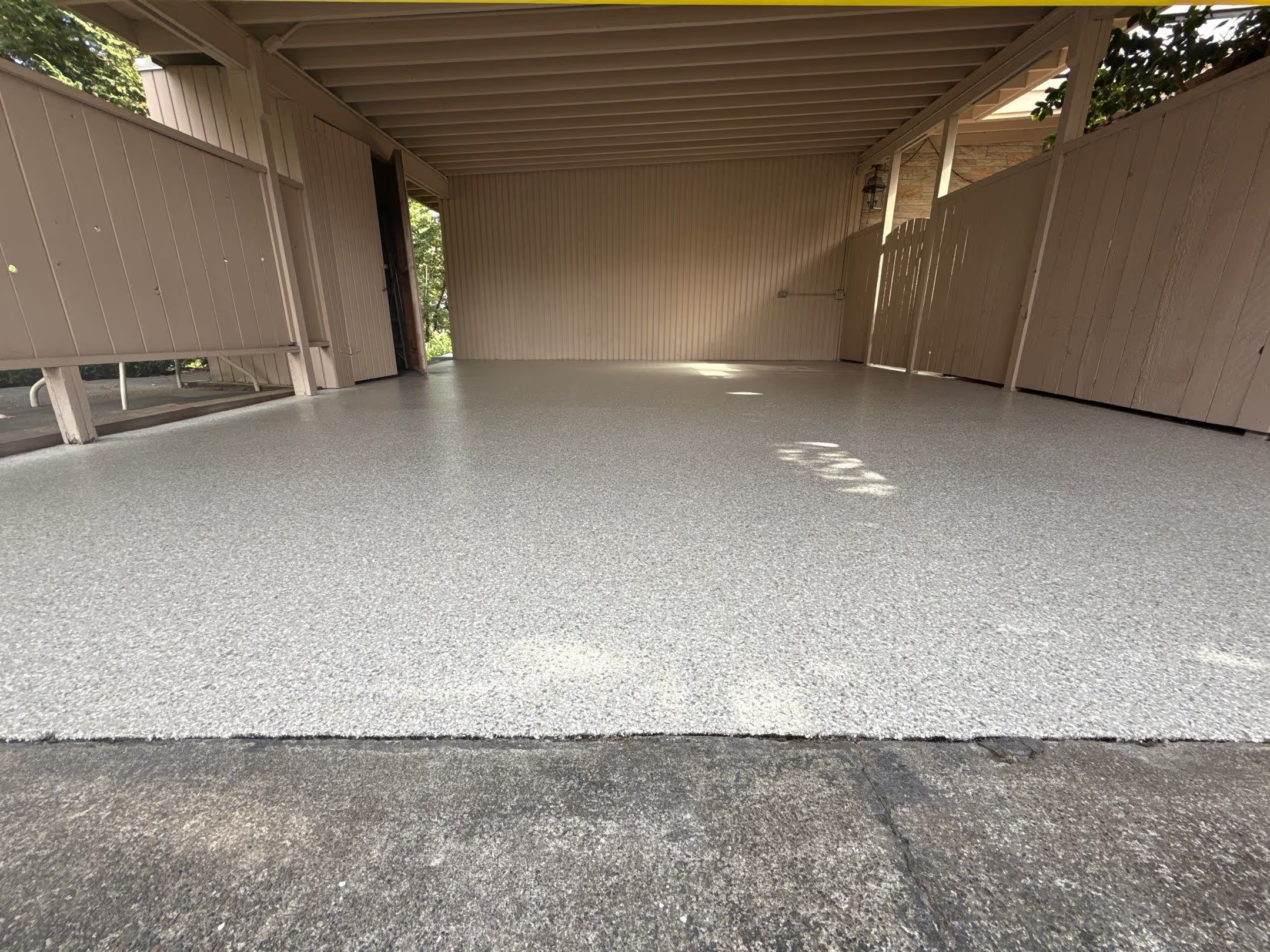
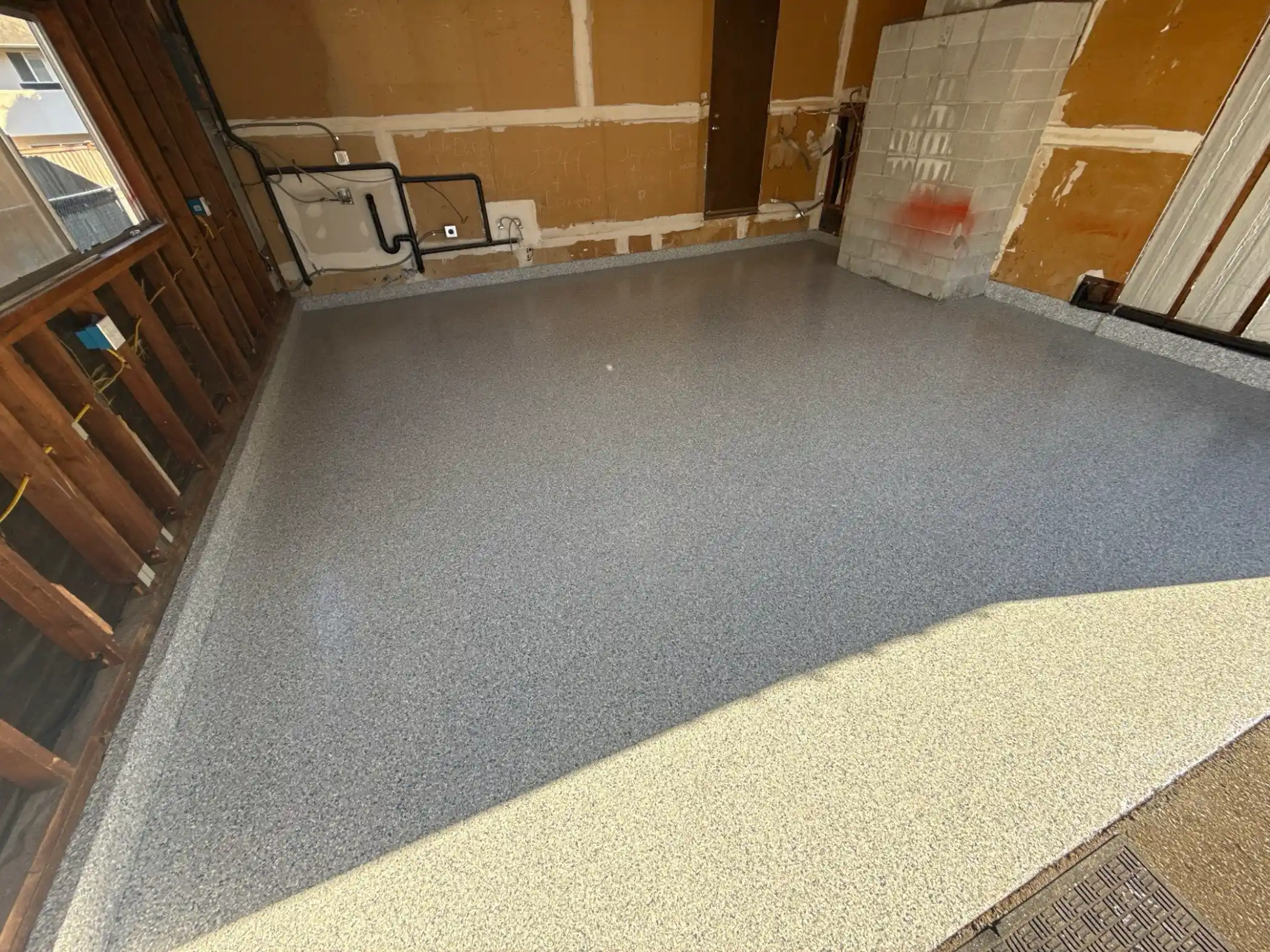
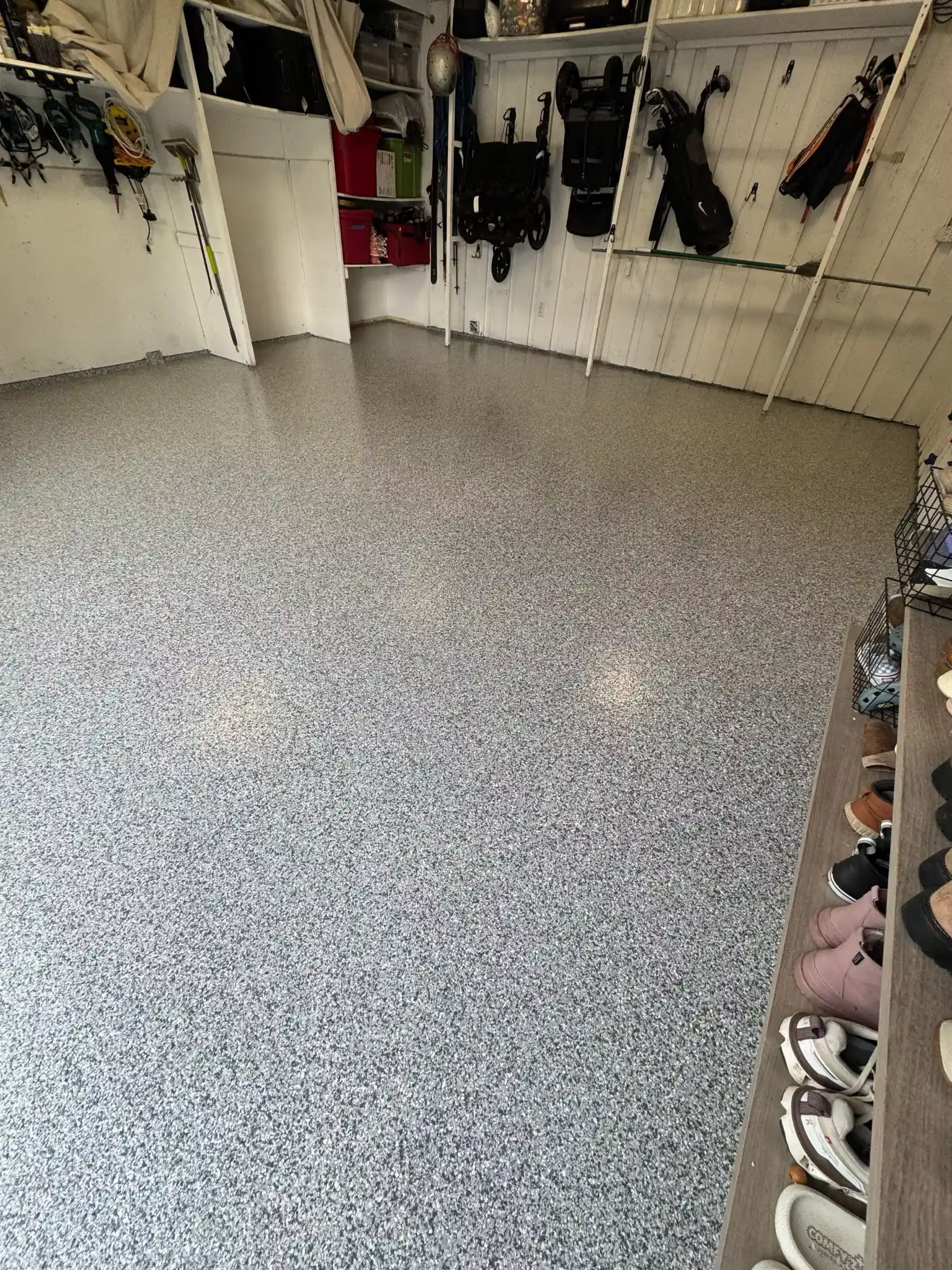
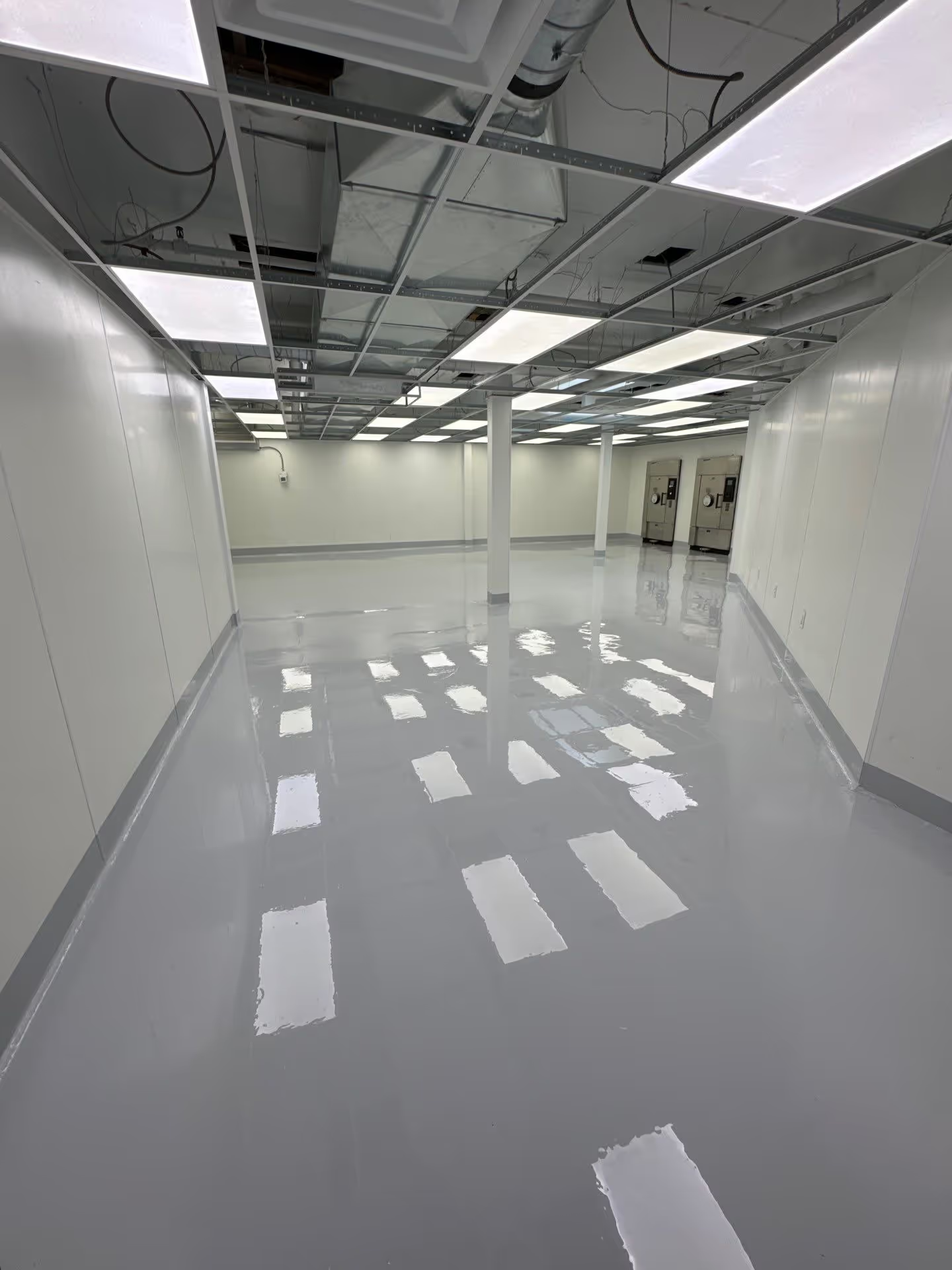
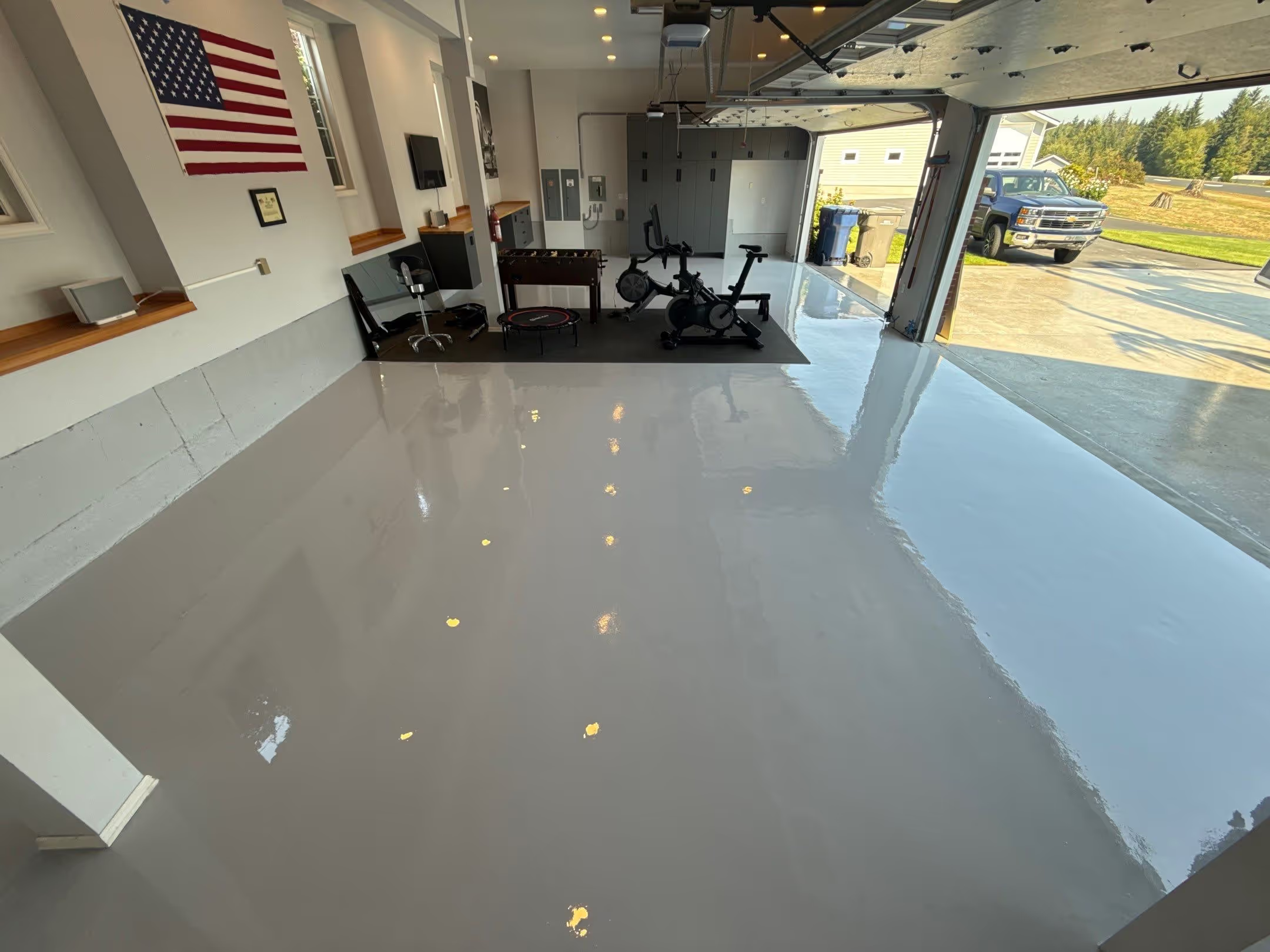
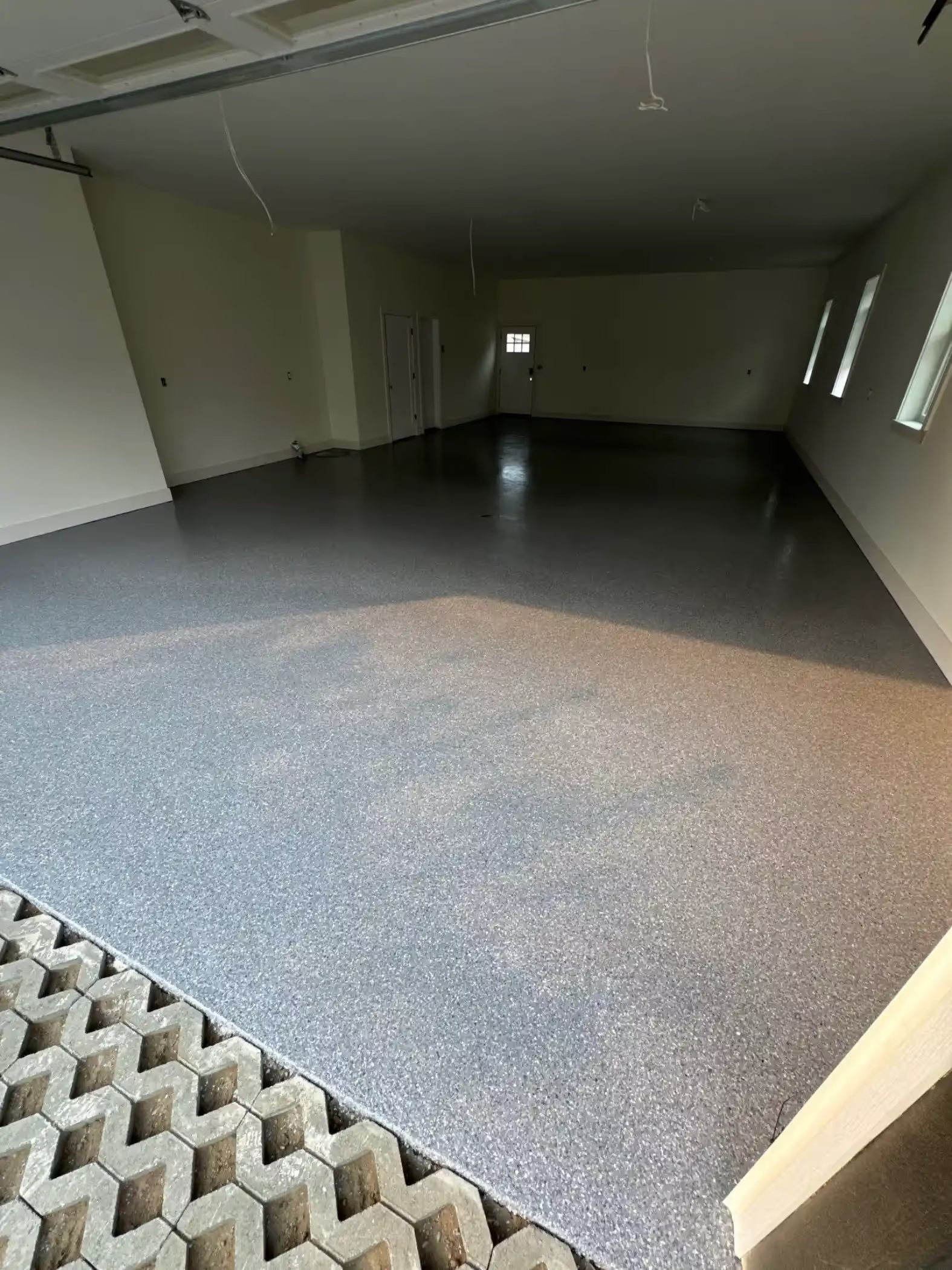
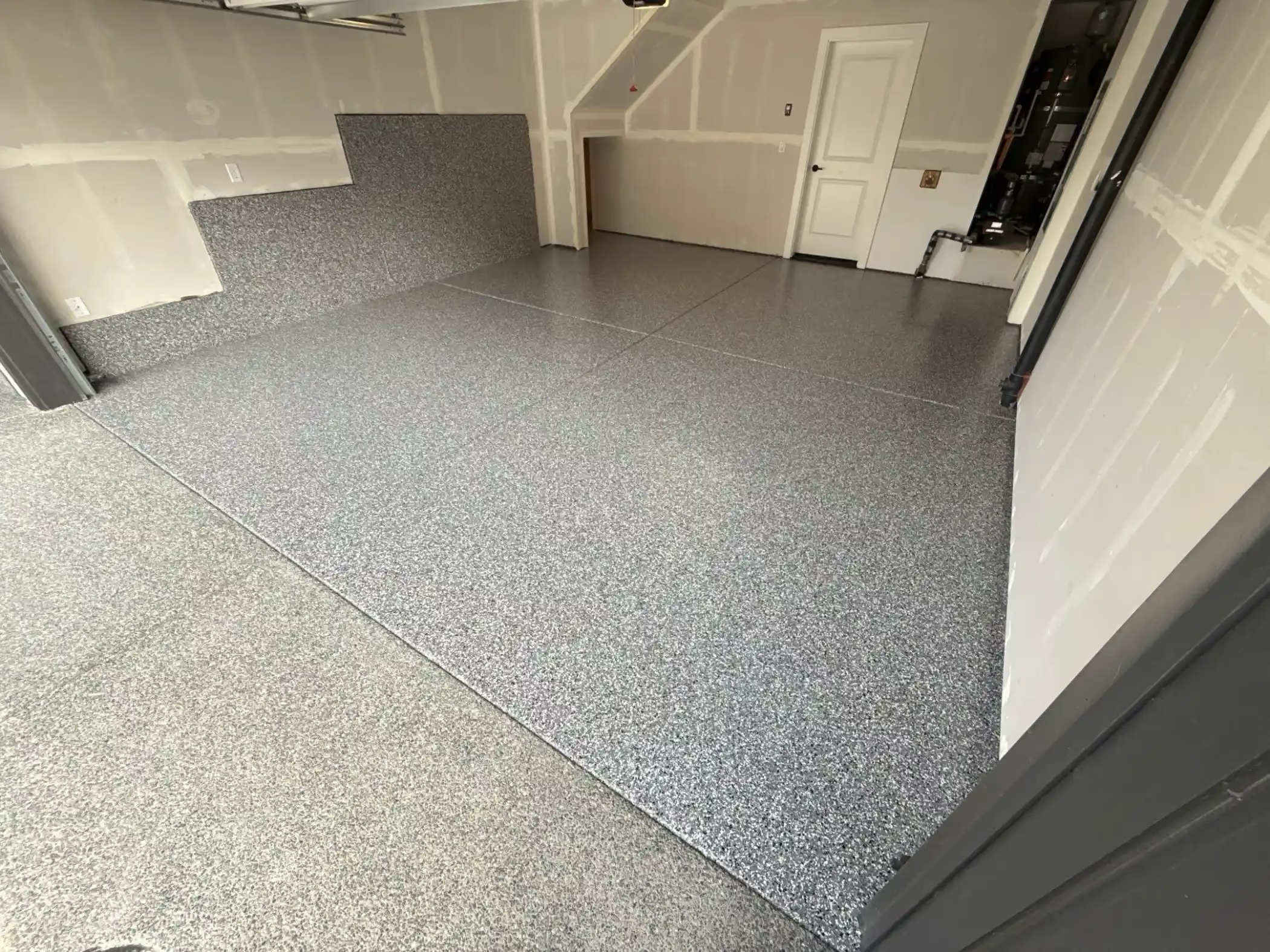
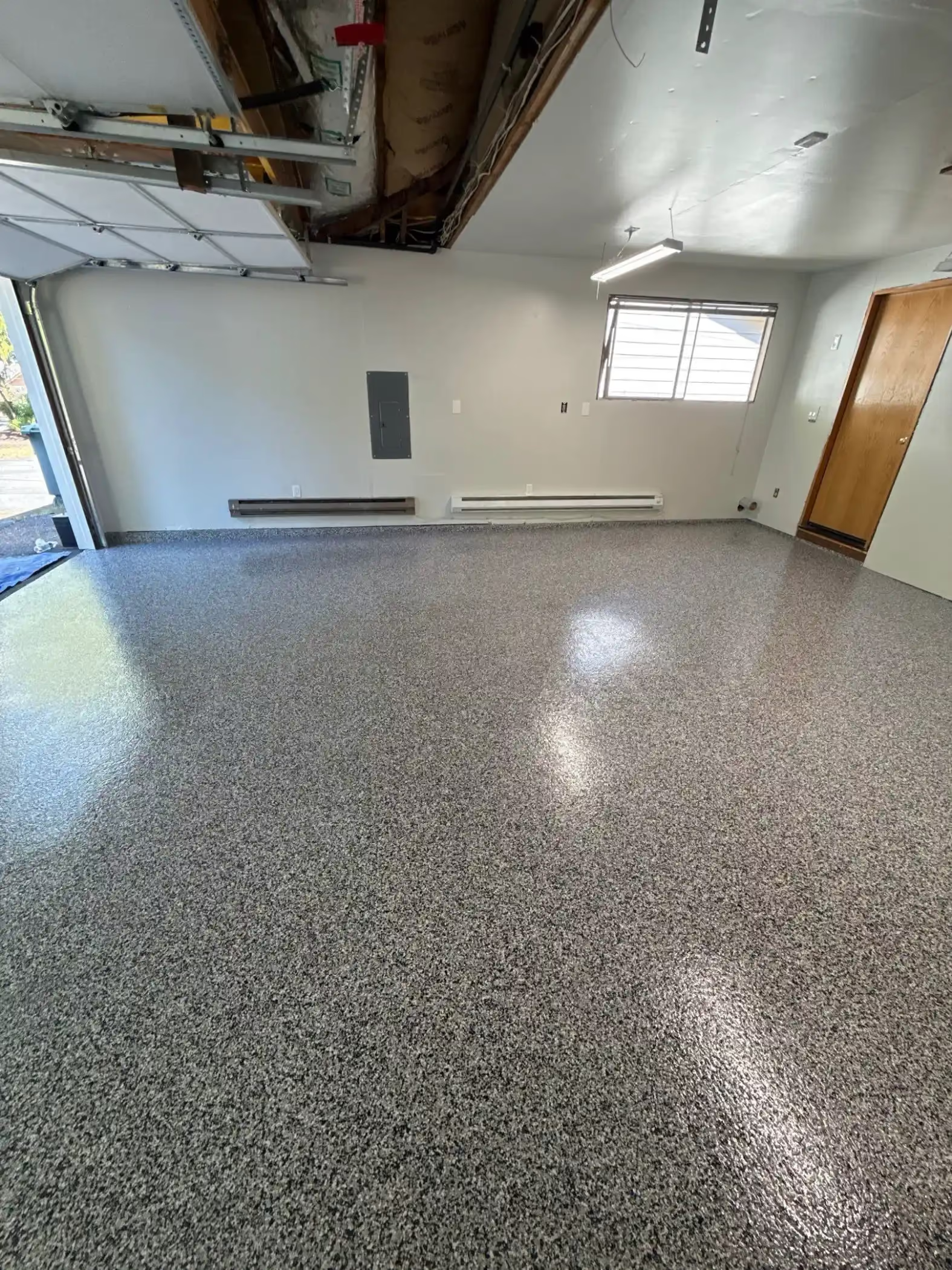
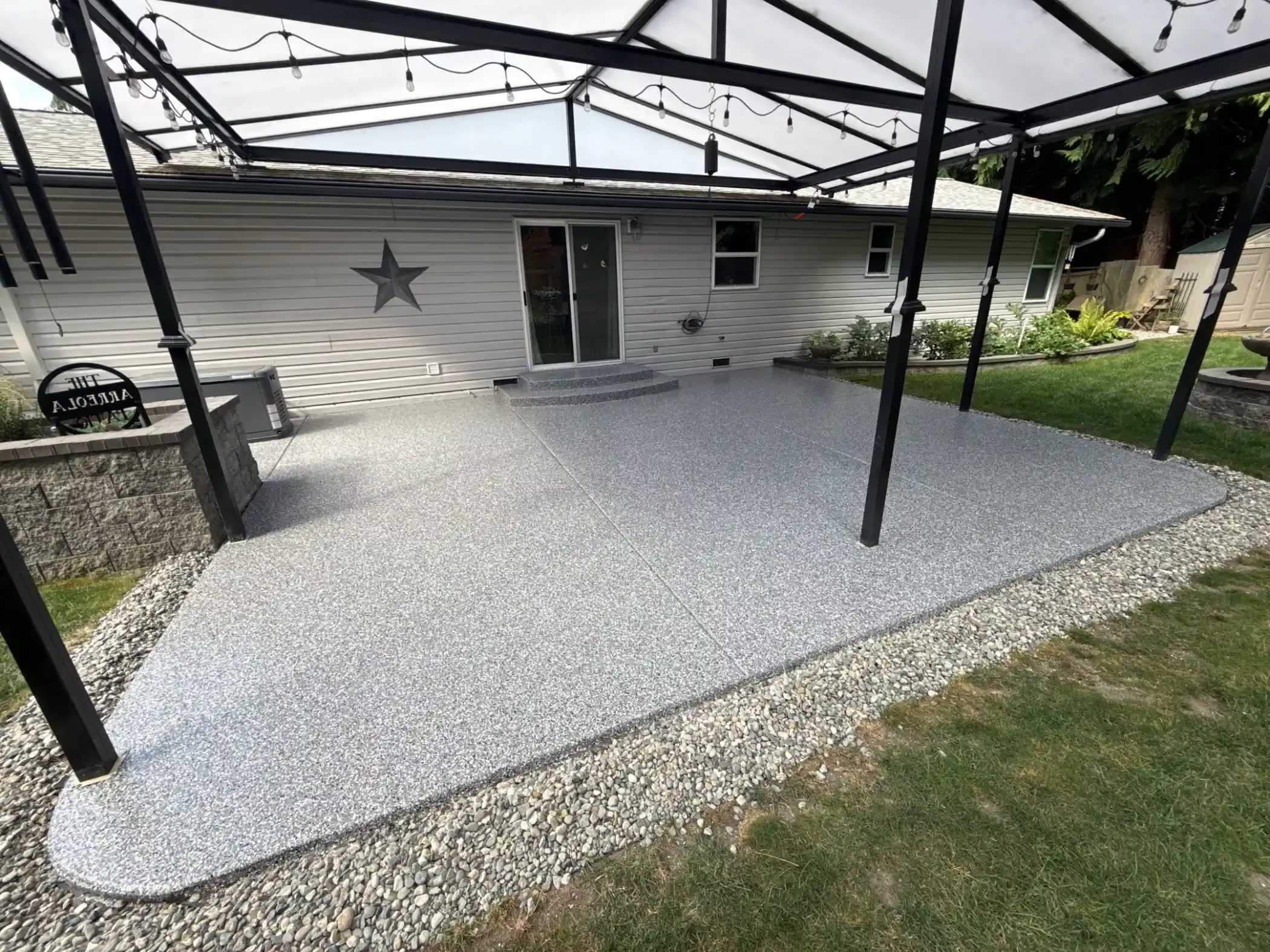
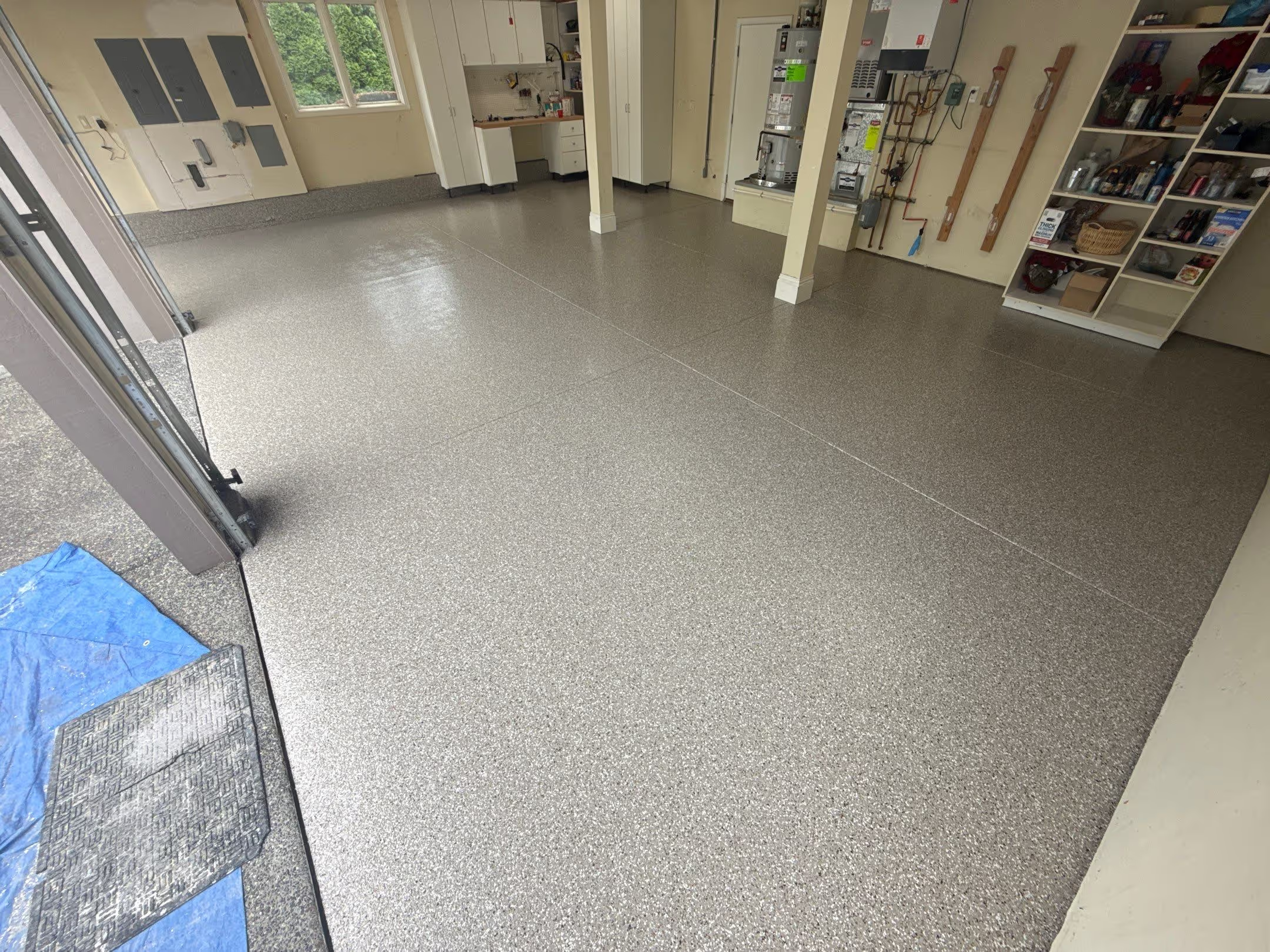
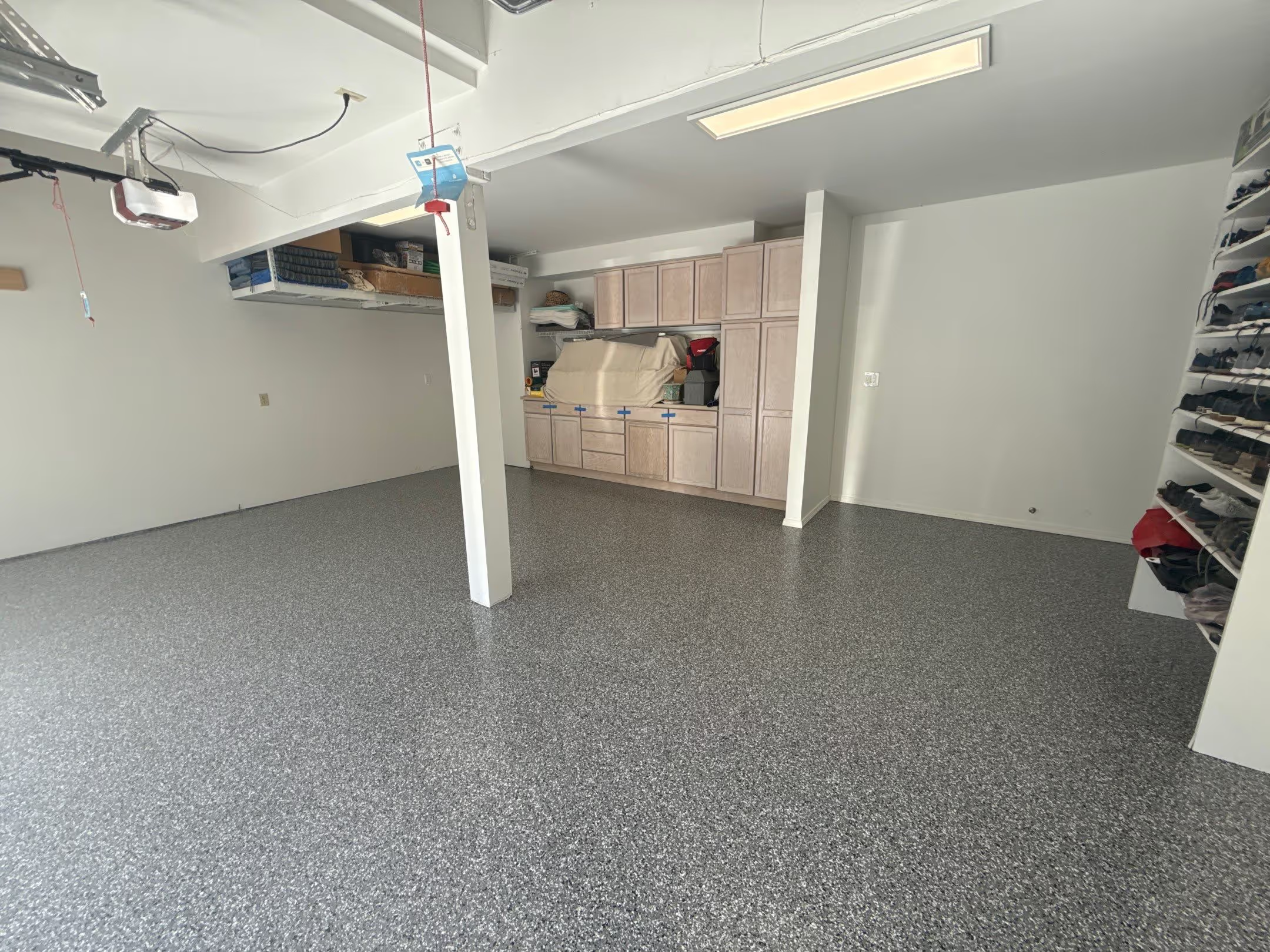
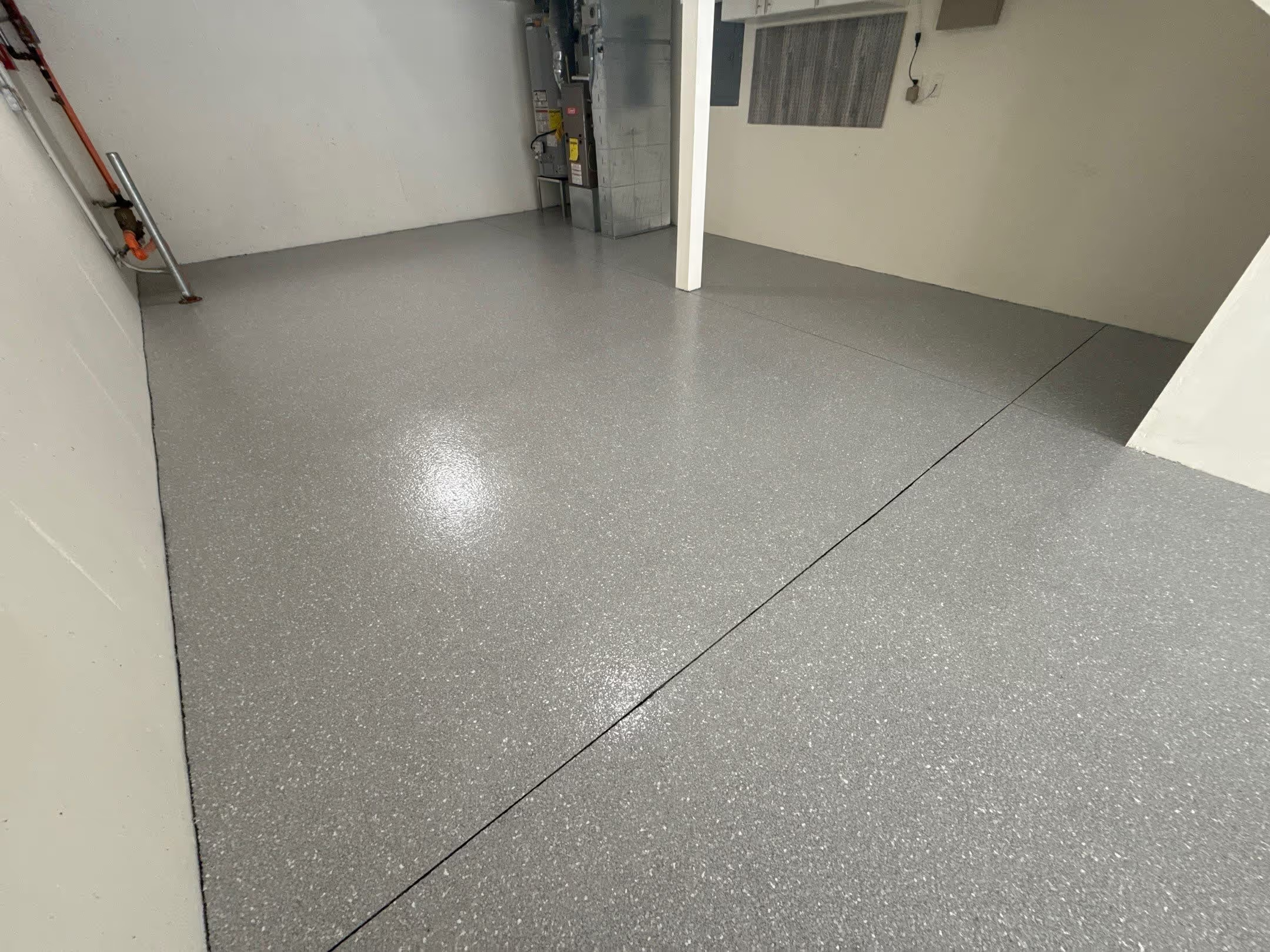
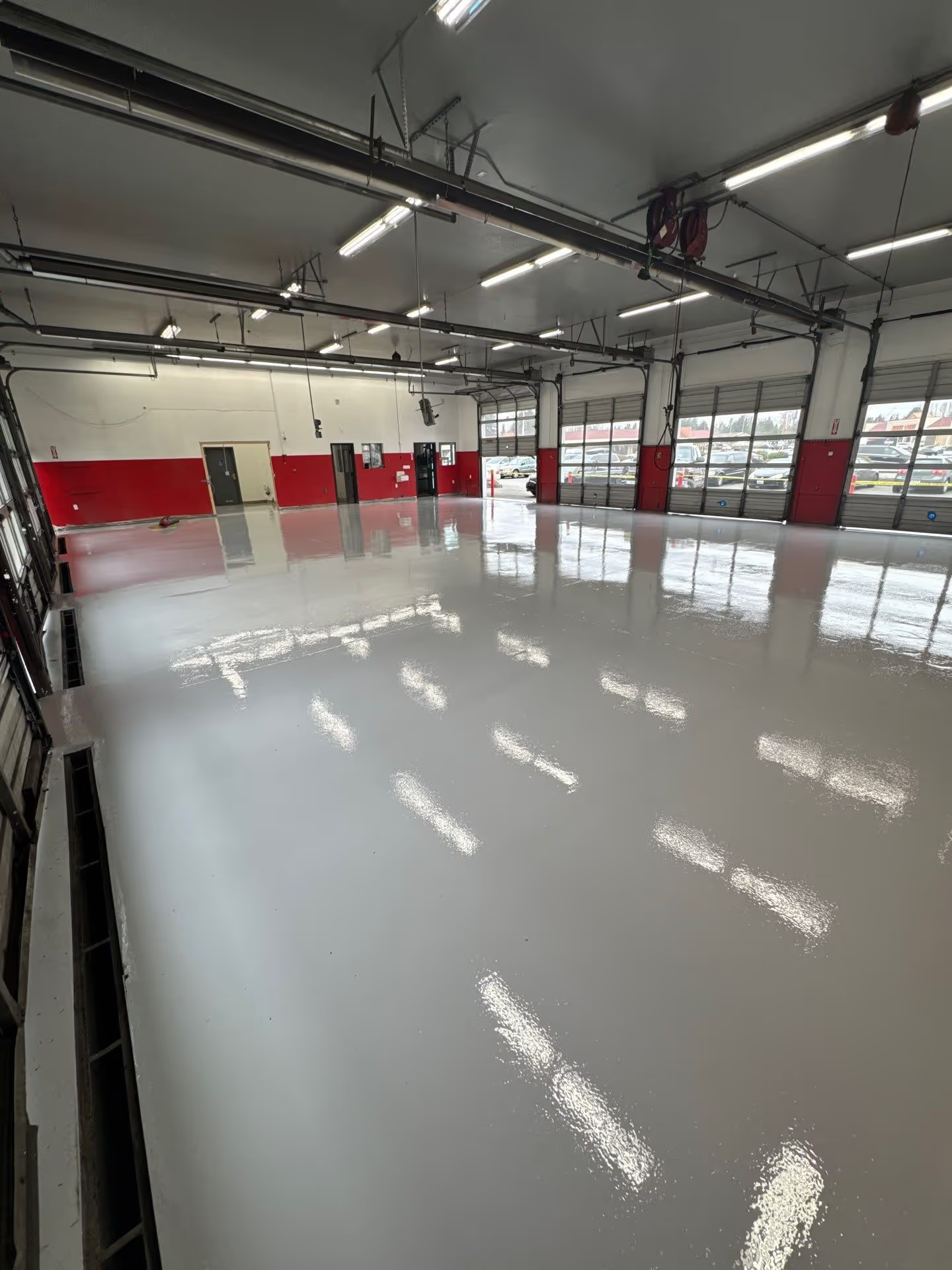
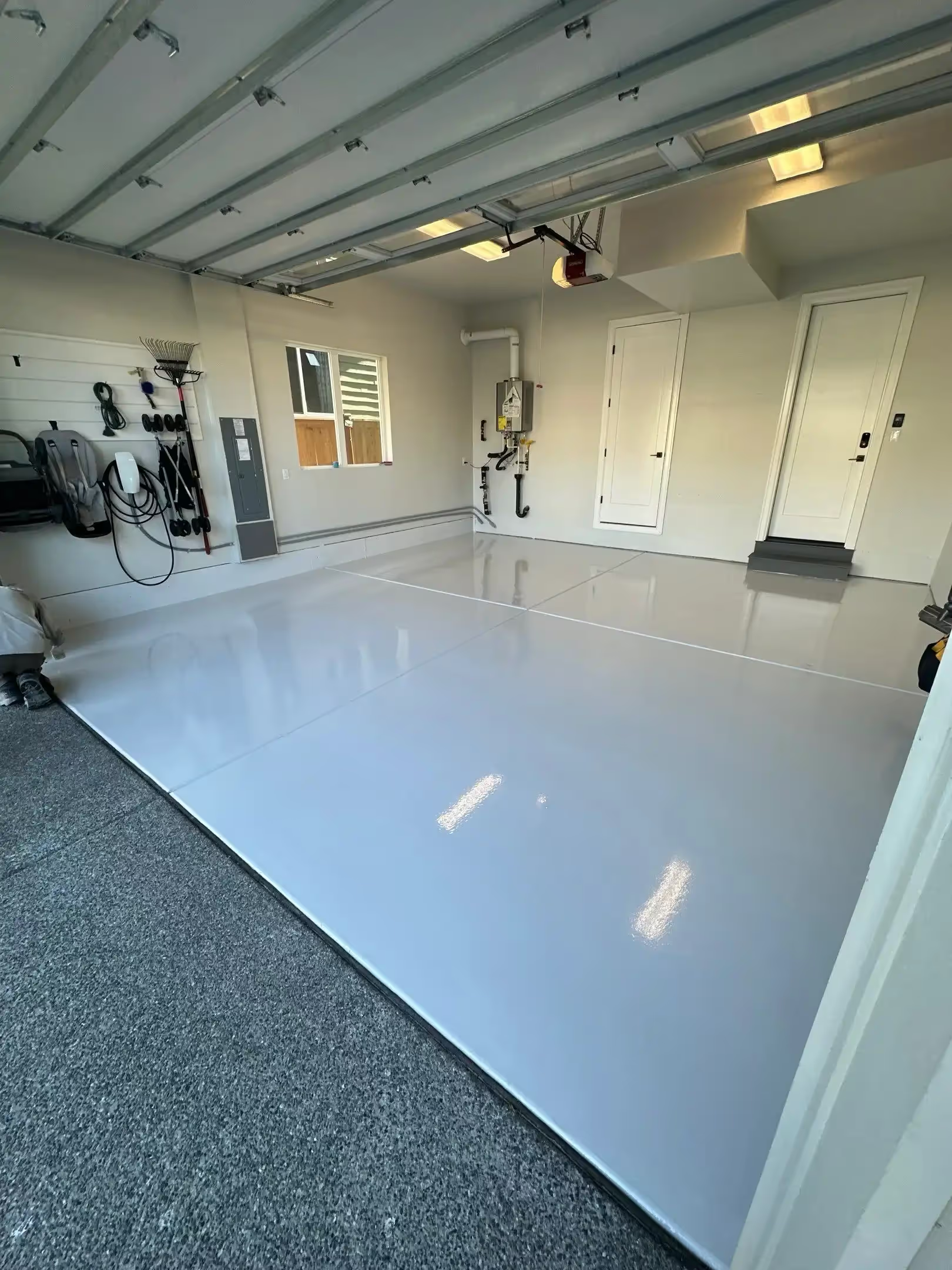
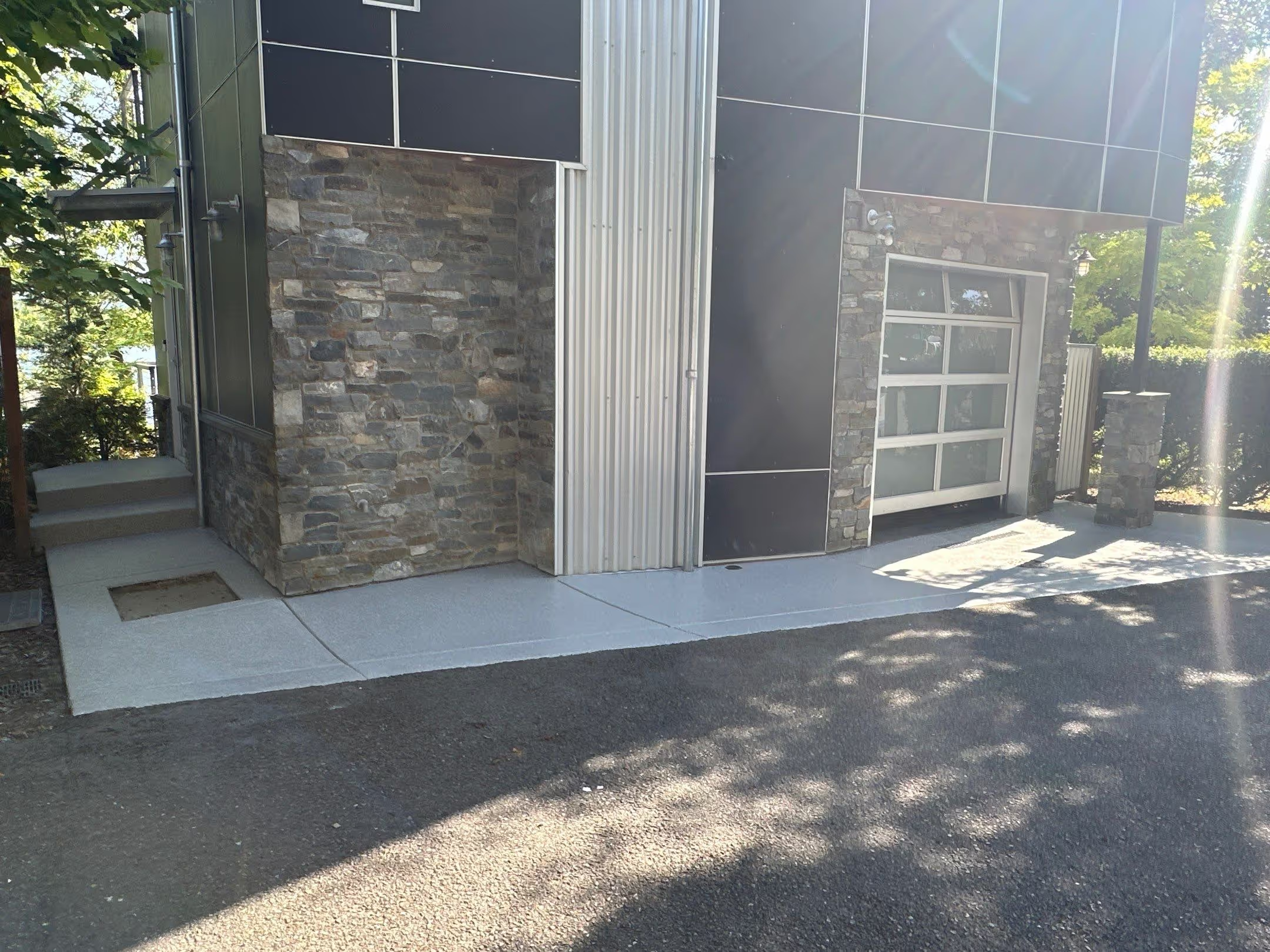
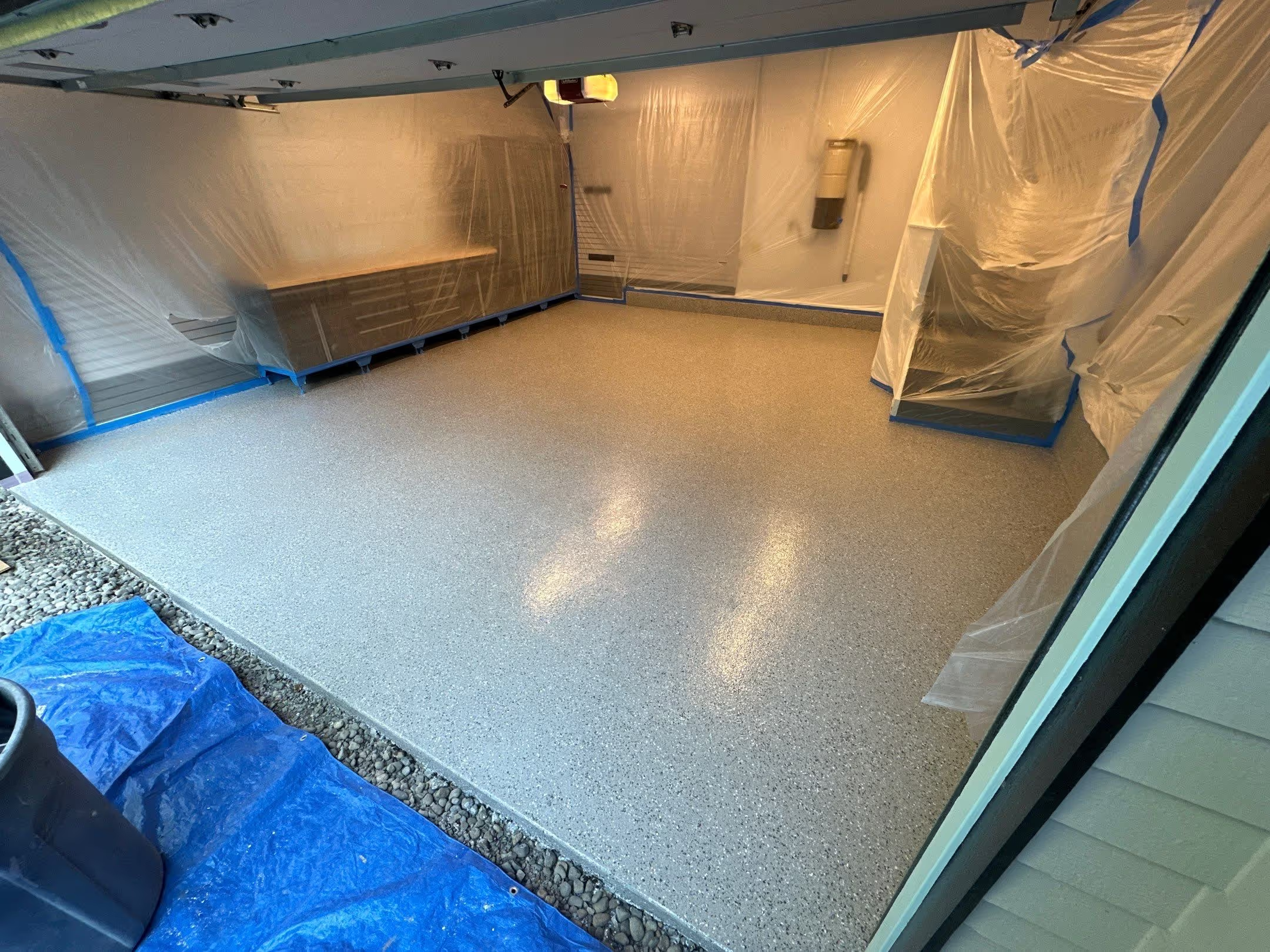
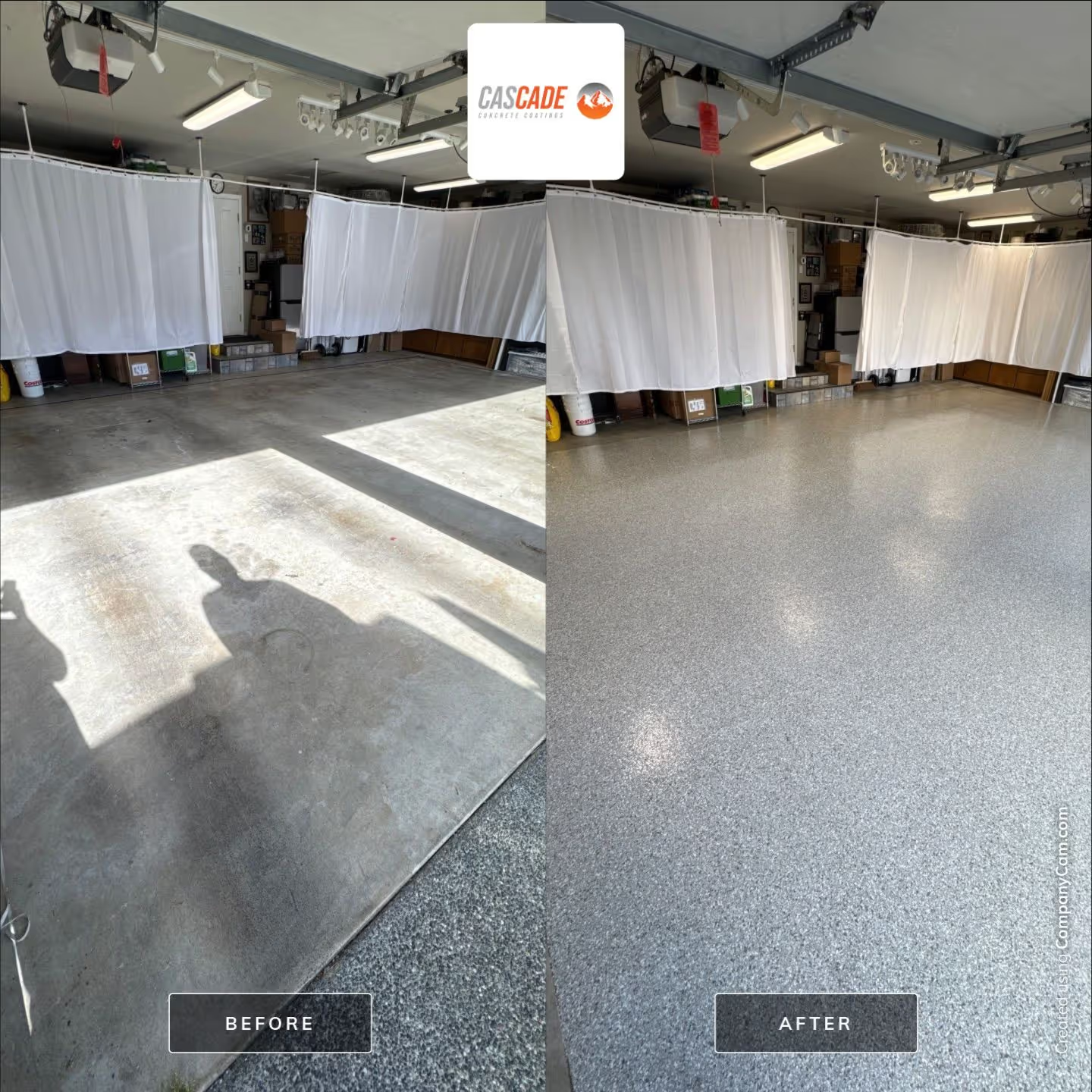
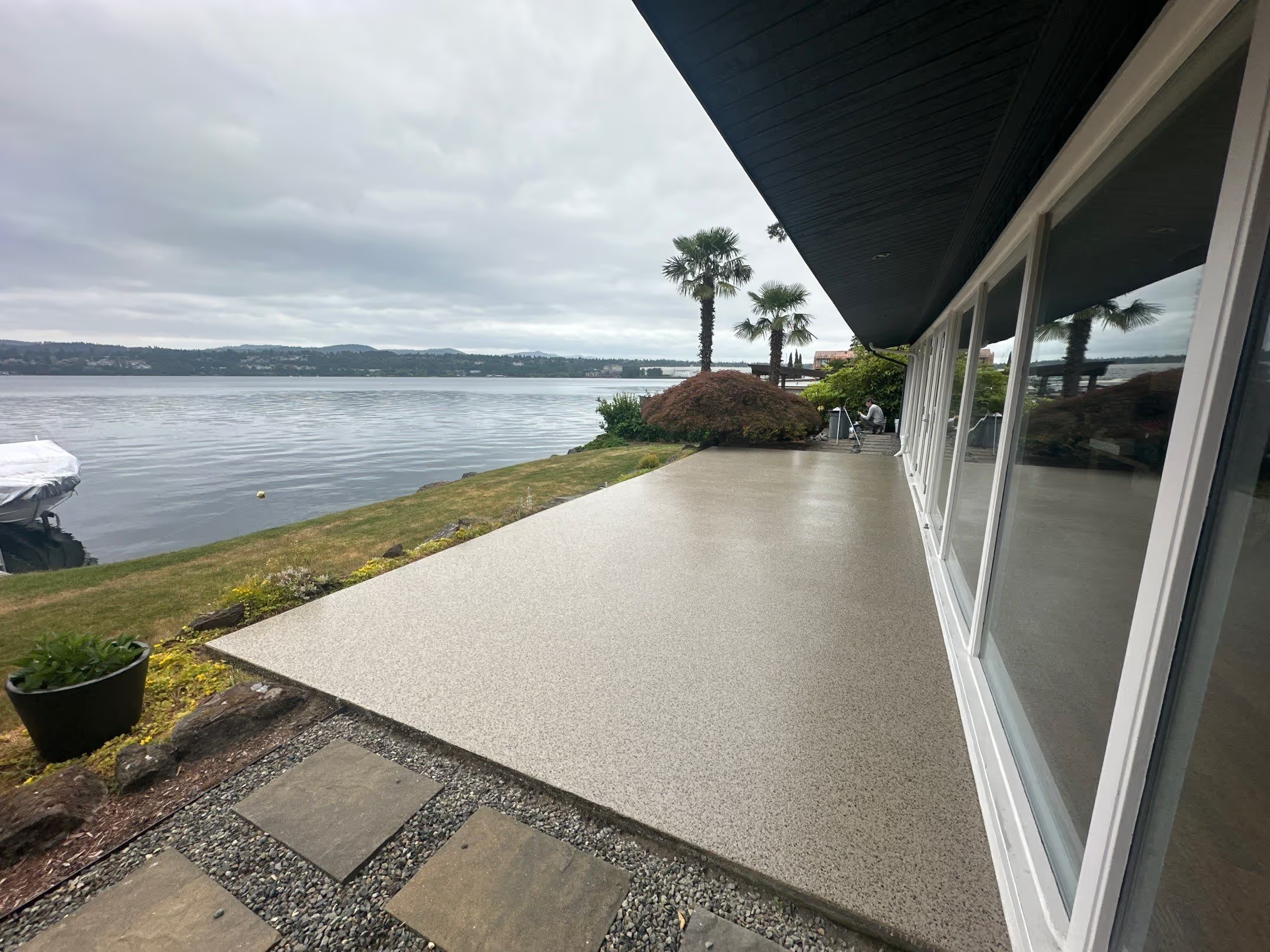
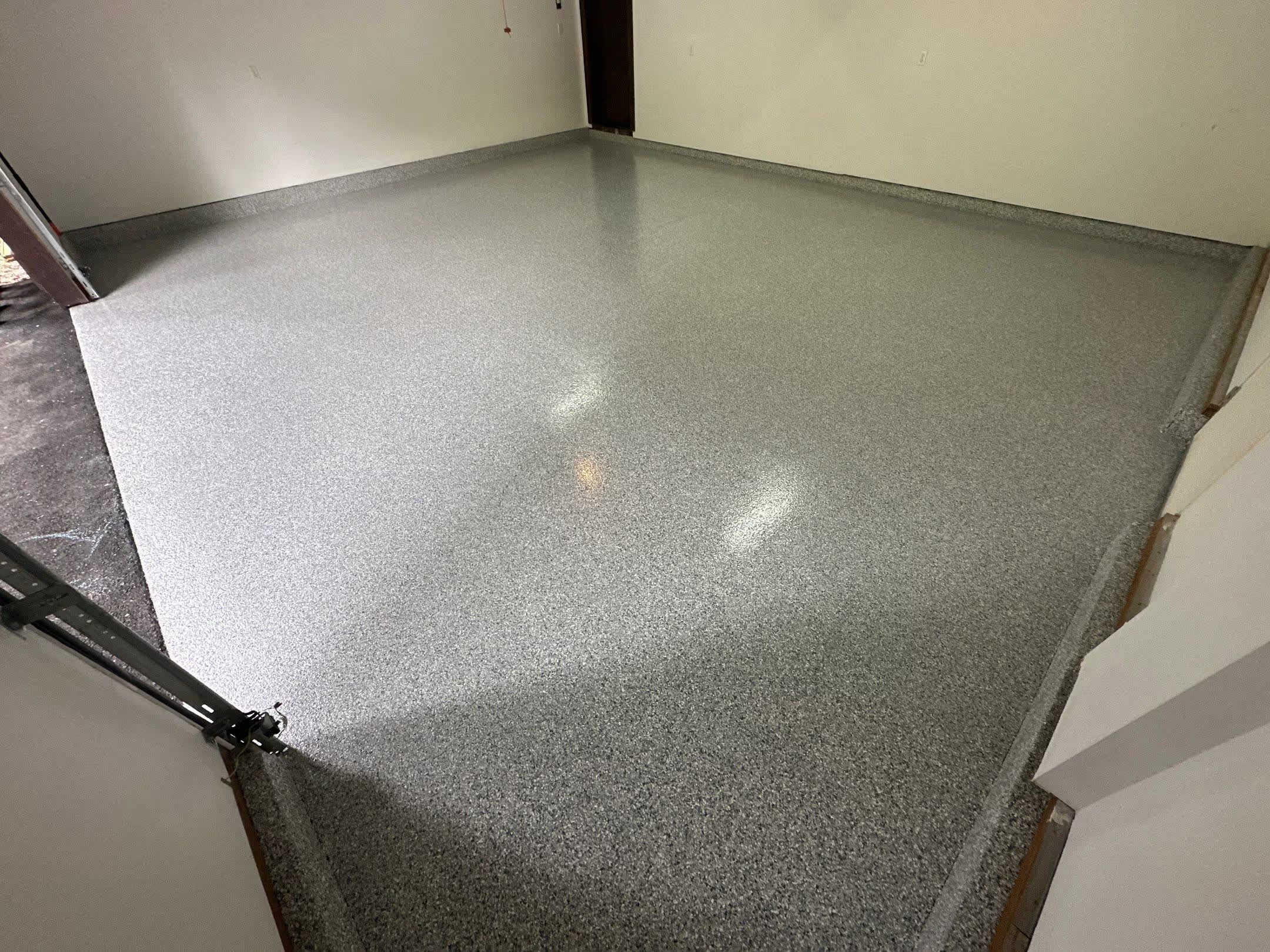
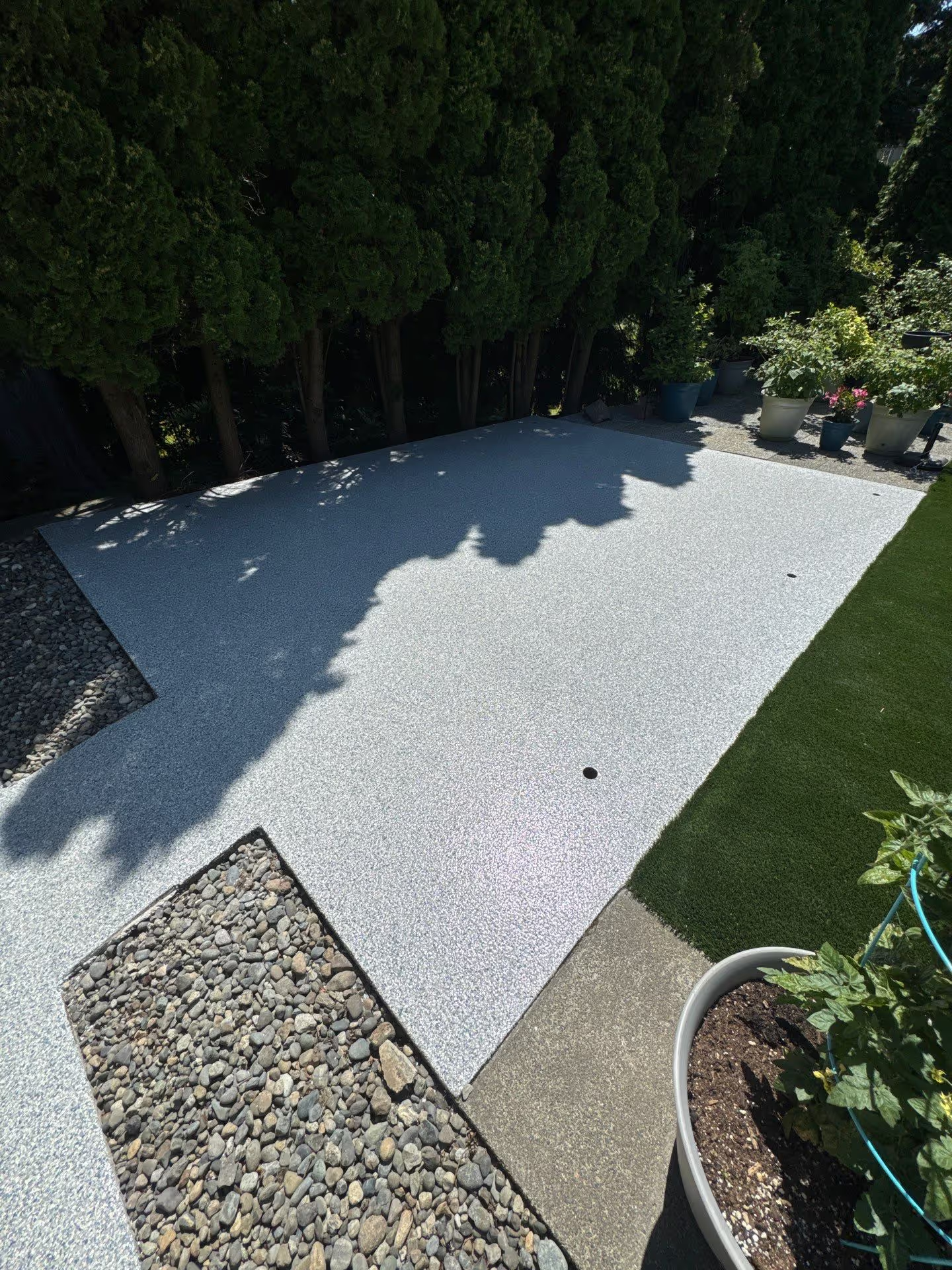
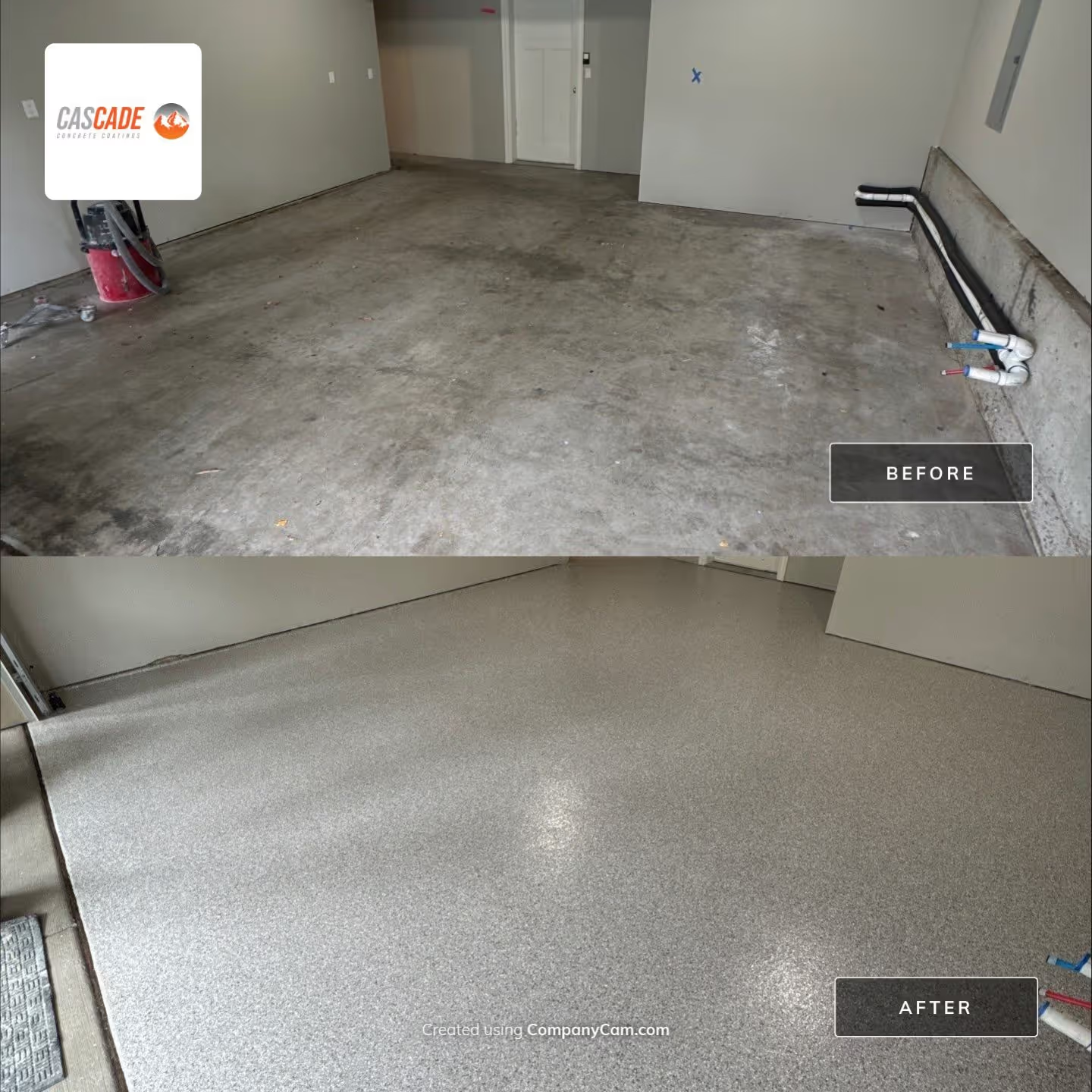
A Seattle commercial facility upgraded to a Penntek polyurea coating system designed to handle heavy traffic, equipment, and daily wear while lasting 30+ years instead of typical commercial epoxy's 5-7 year lifespan.
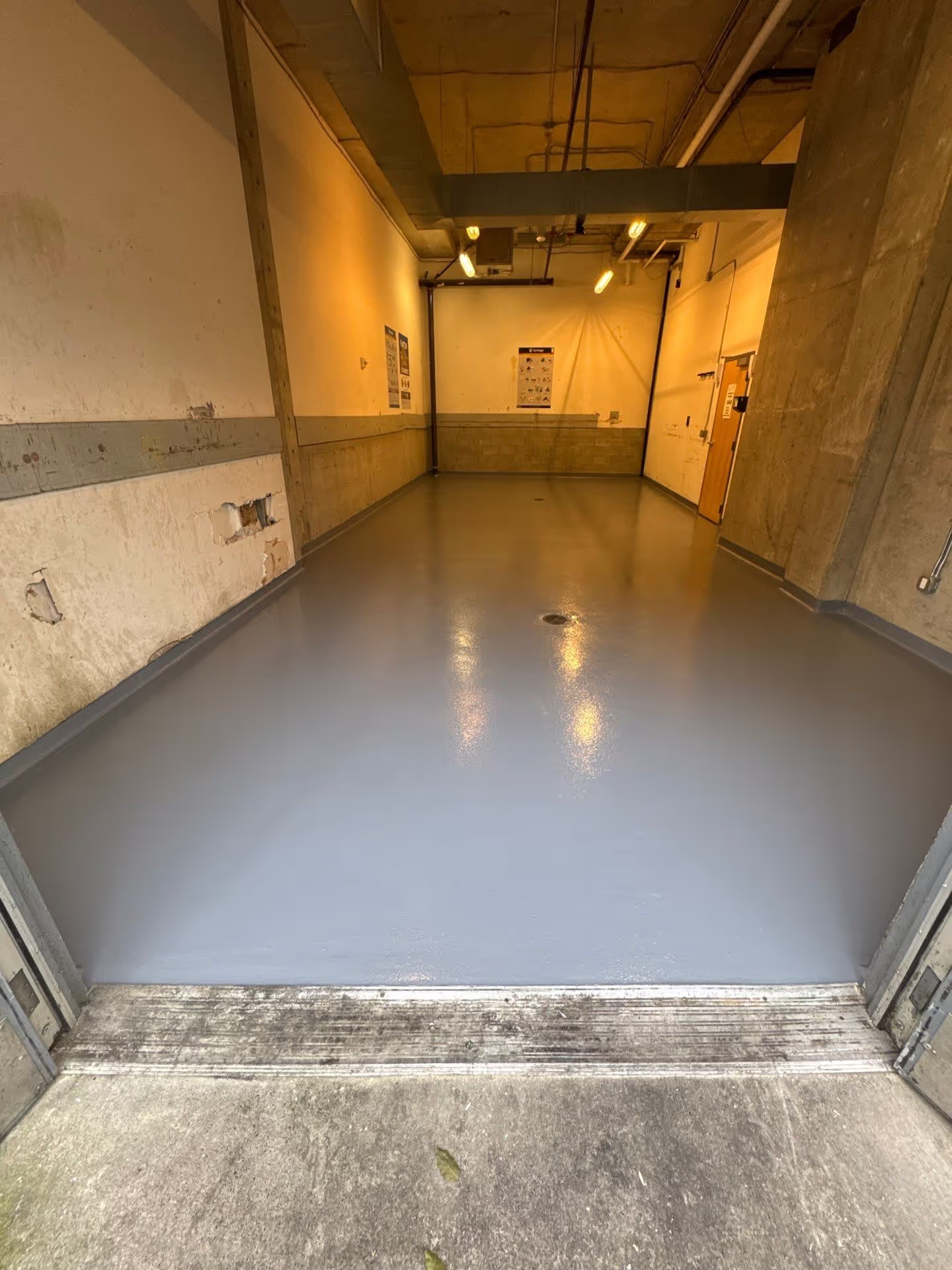
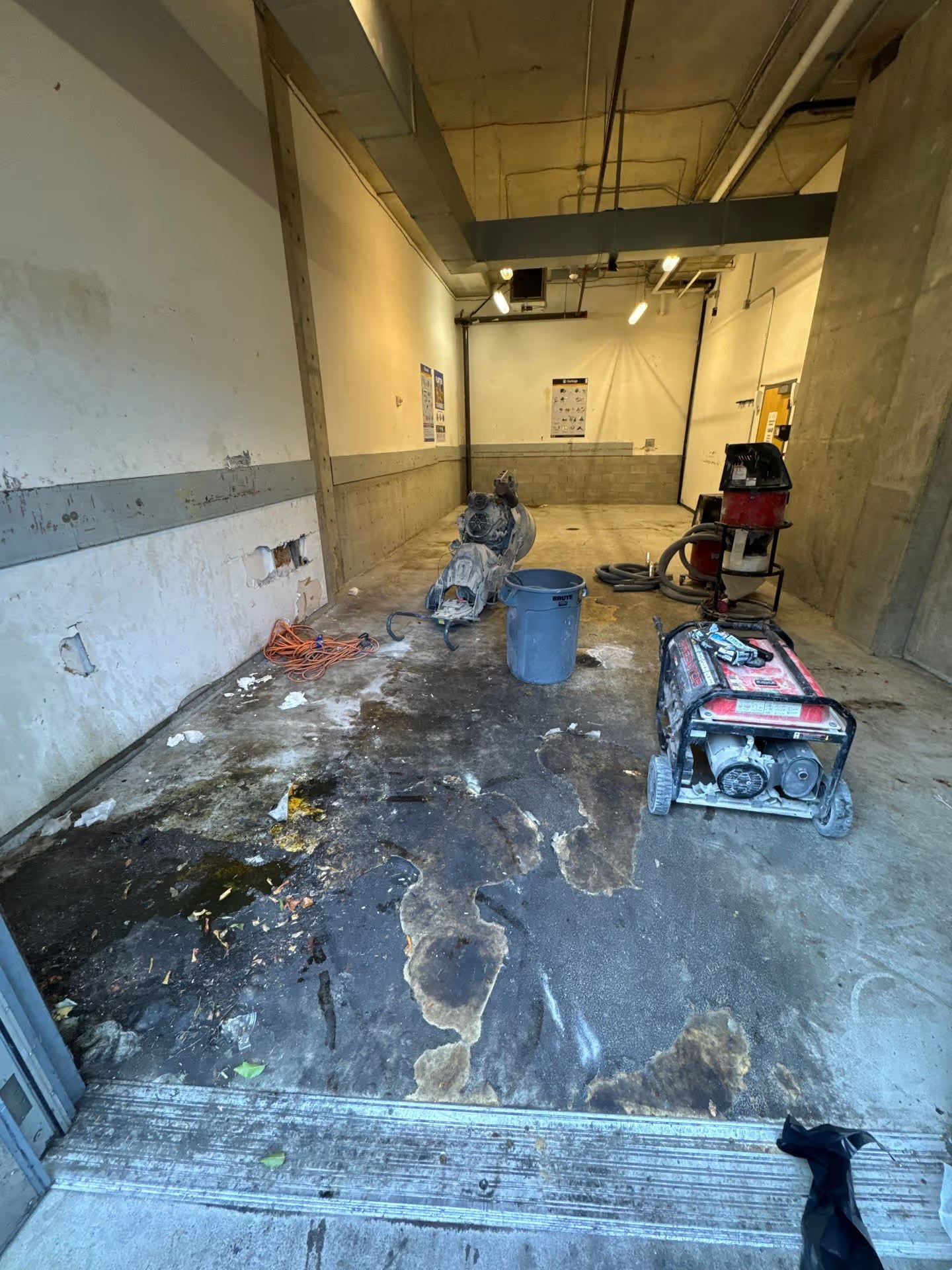

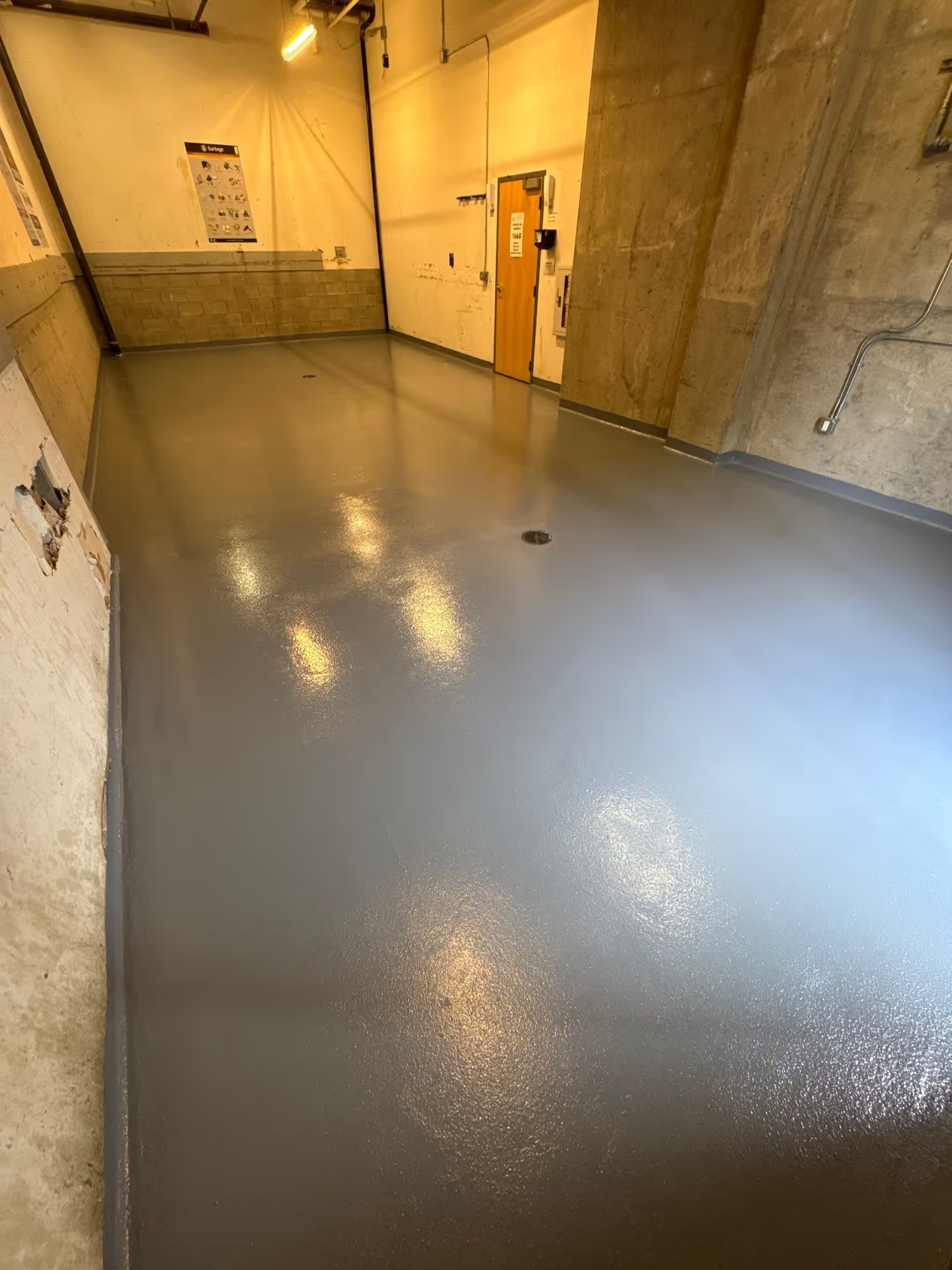
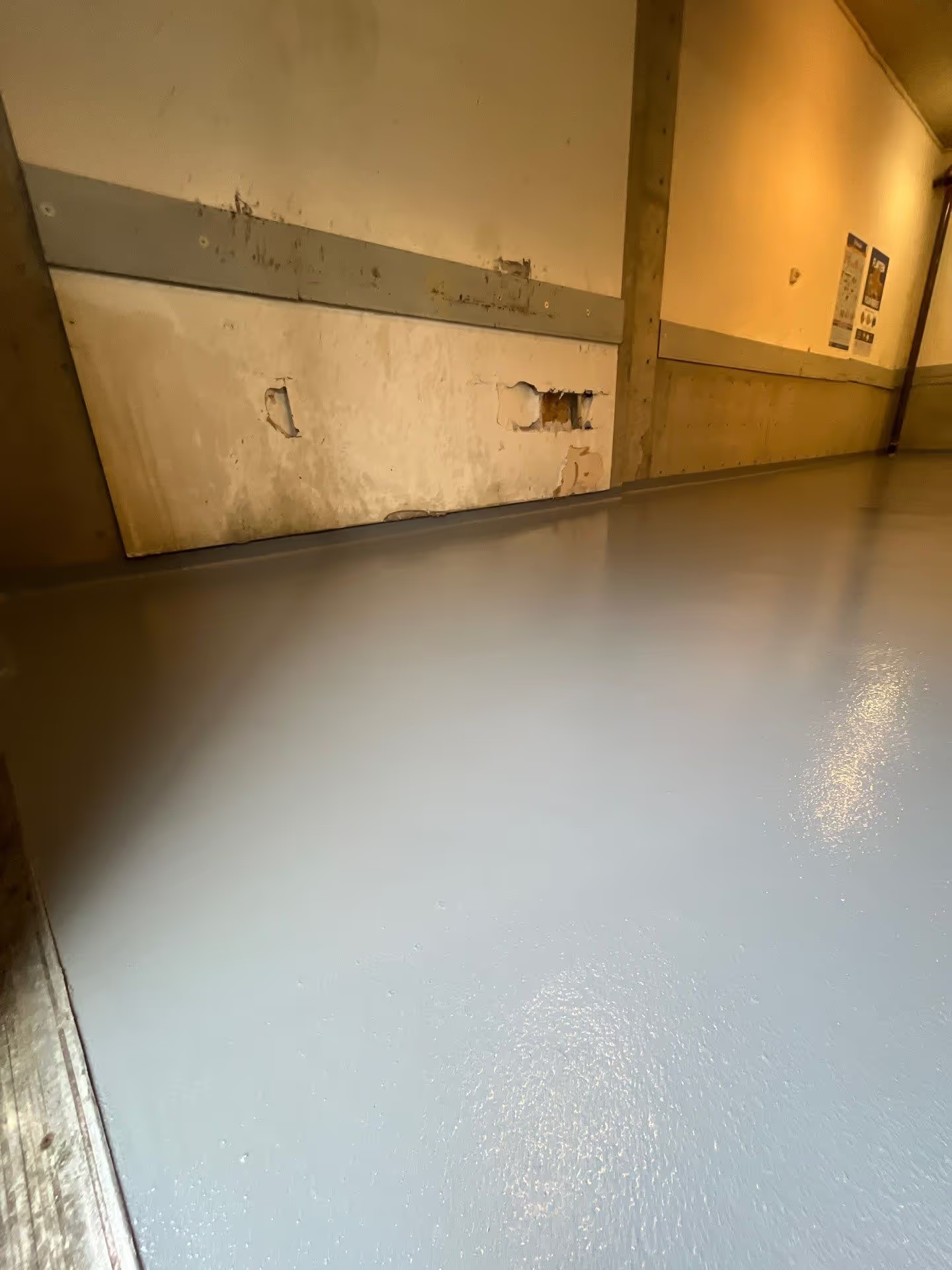
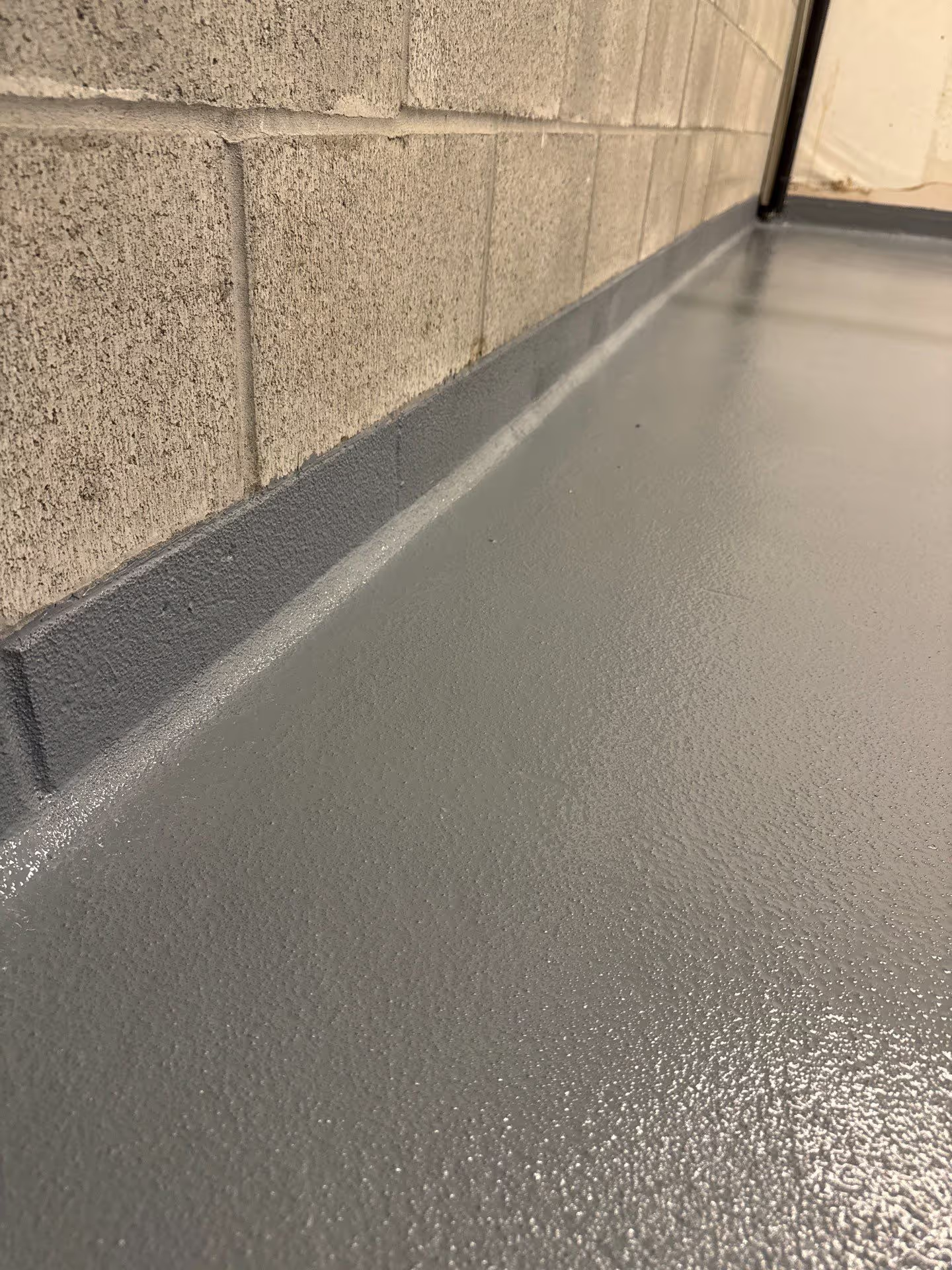
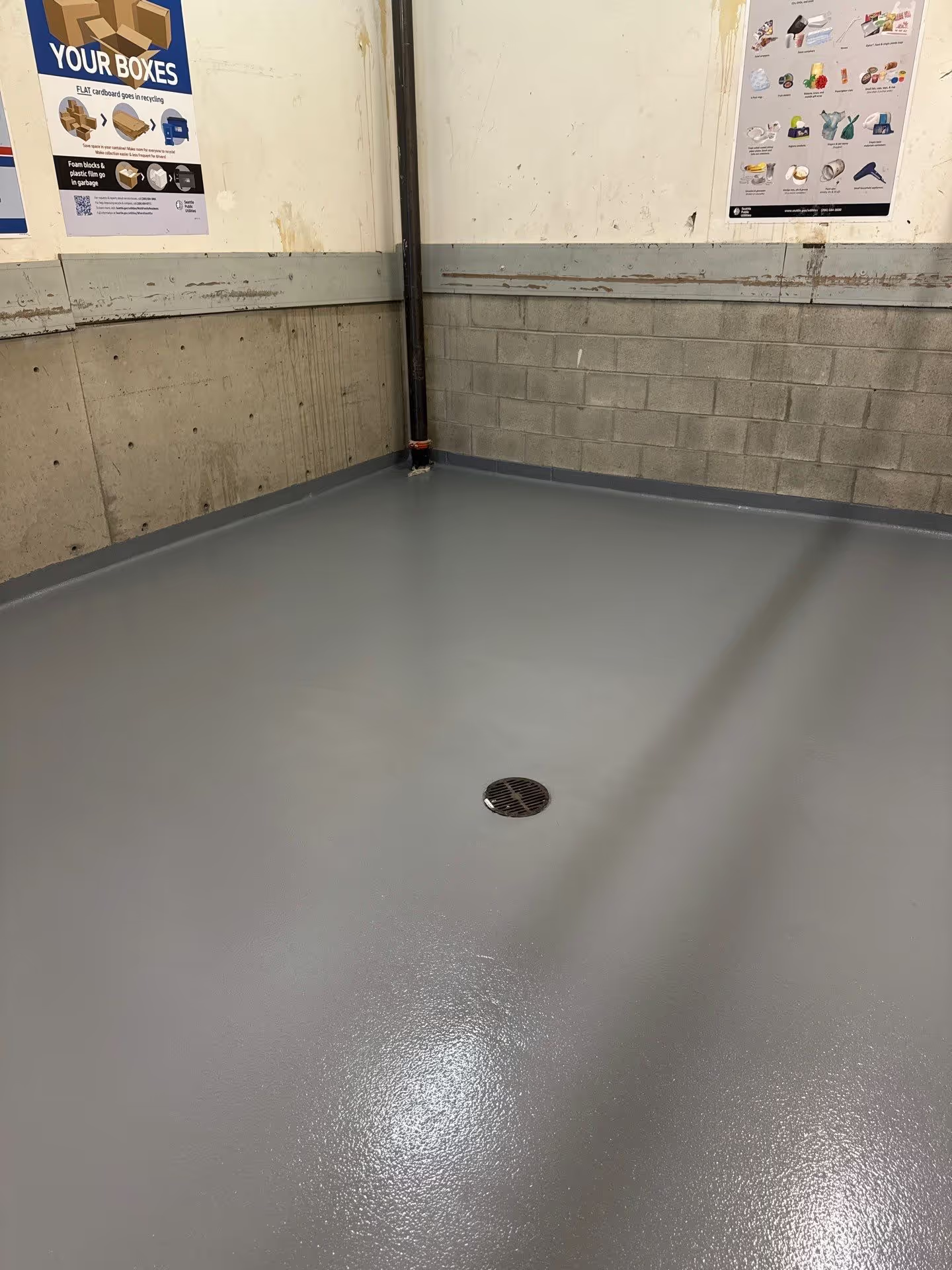
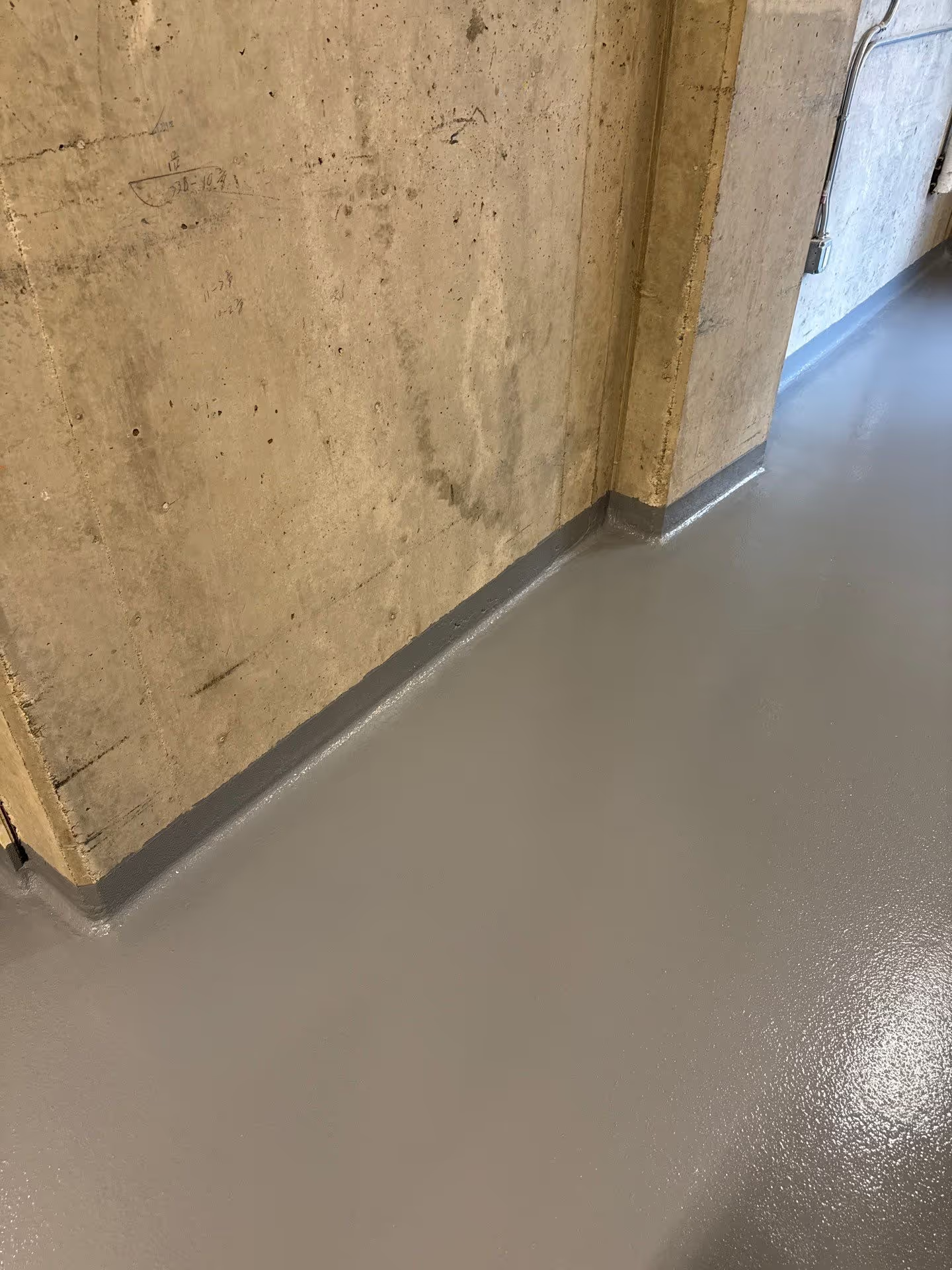
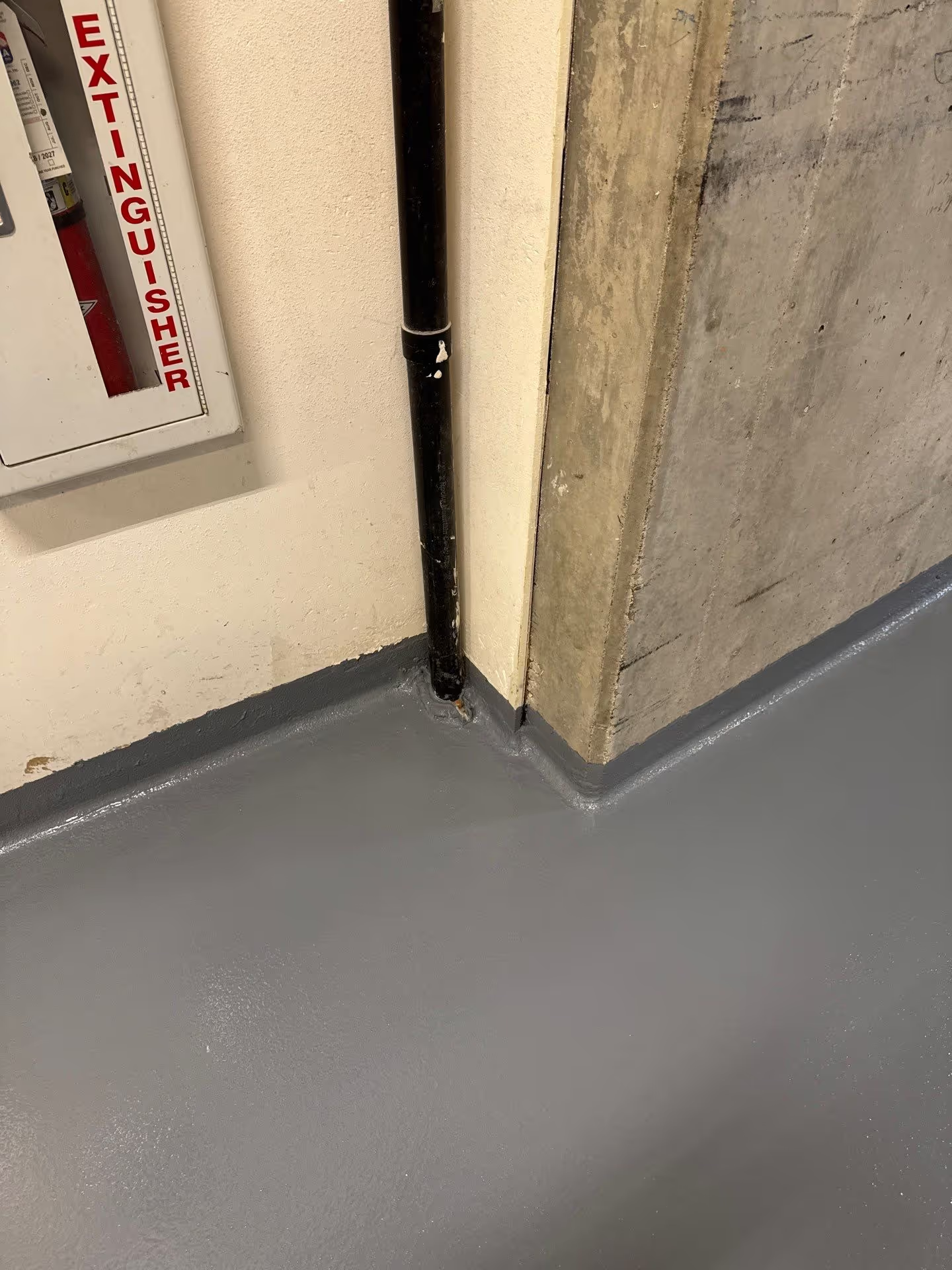
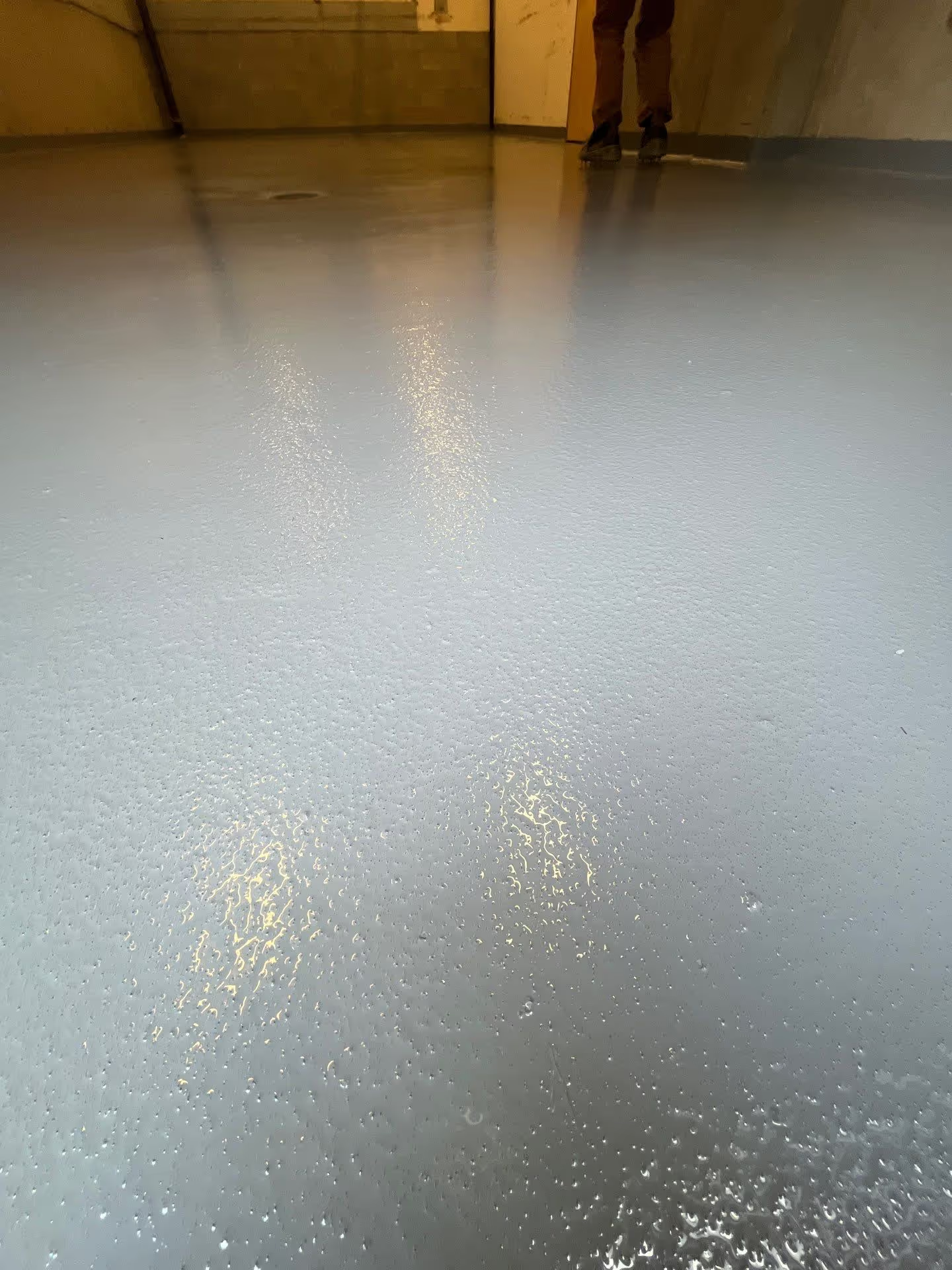
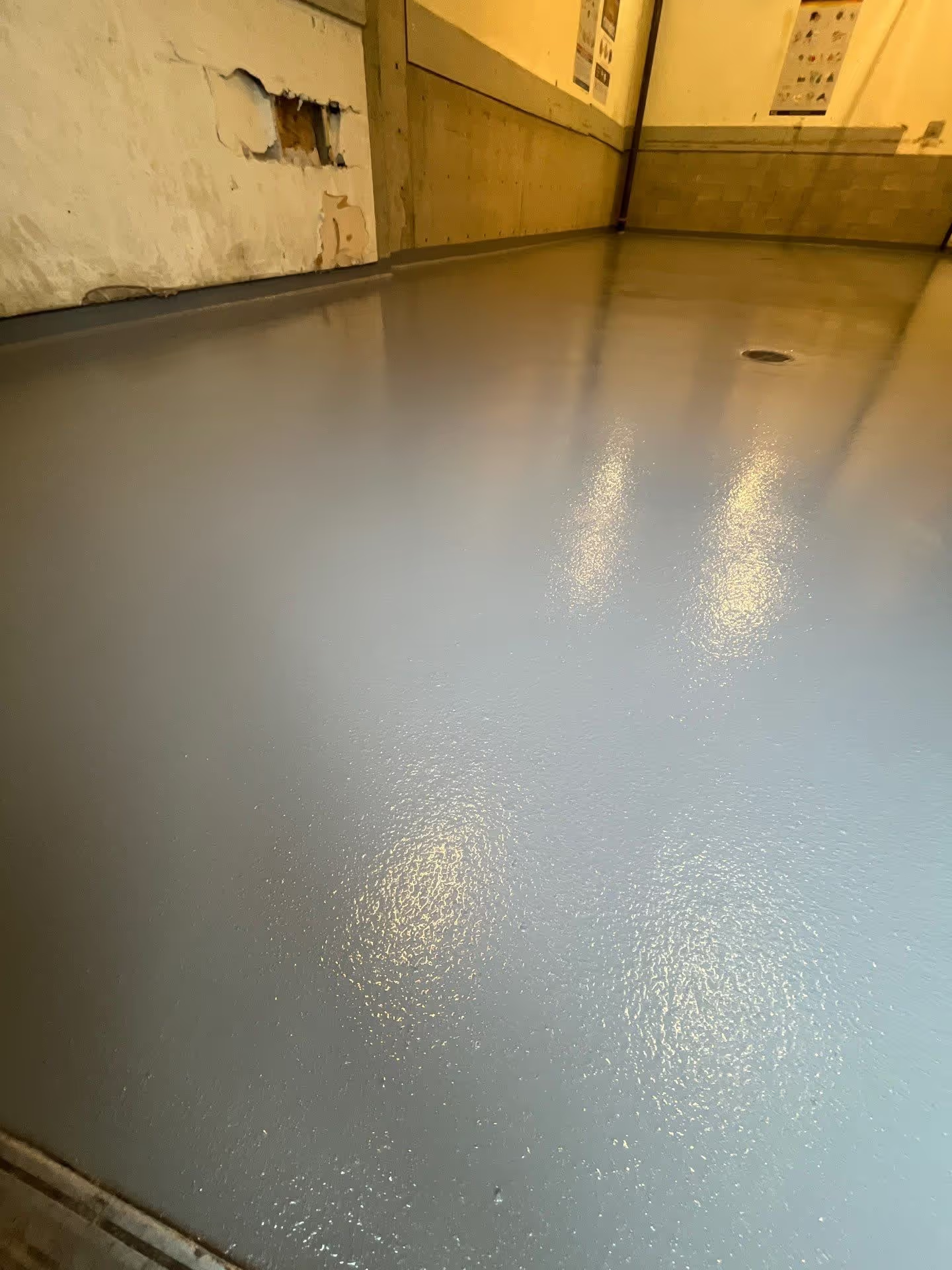
Commercial and industrial spaces beat up floors in ways residential garages never will. Constant foot traffic, rolling equipment, deliveries, chemicals, and daily operations create conditions where cheap flooring solutions fail fast. This Seattle commercial space needed a floor that could actually handle the demands without needing replacement every few years.
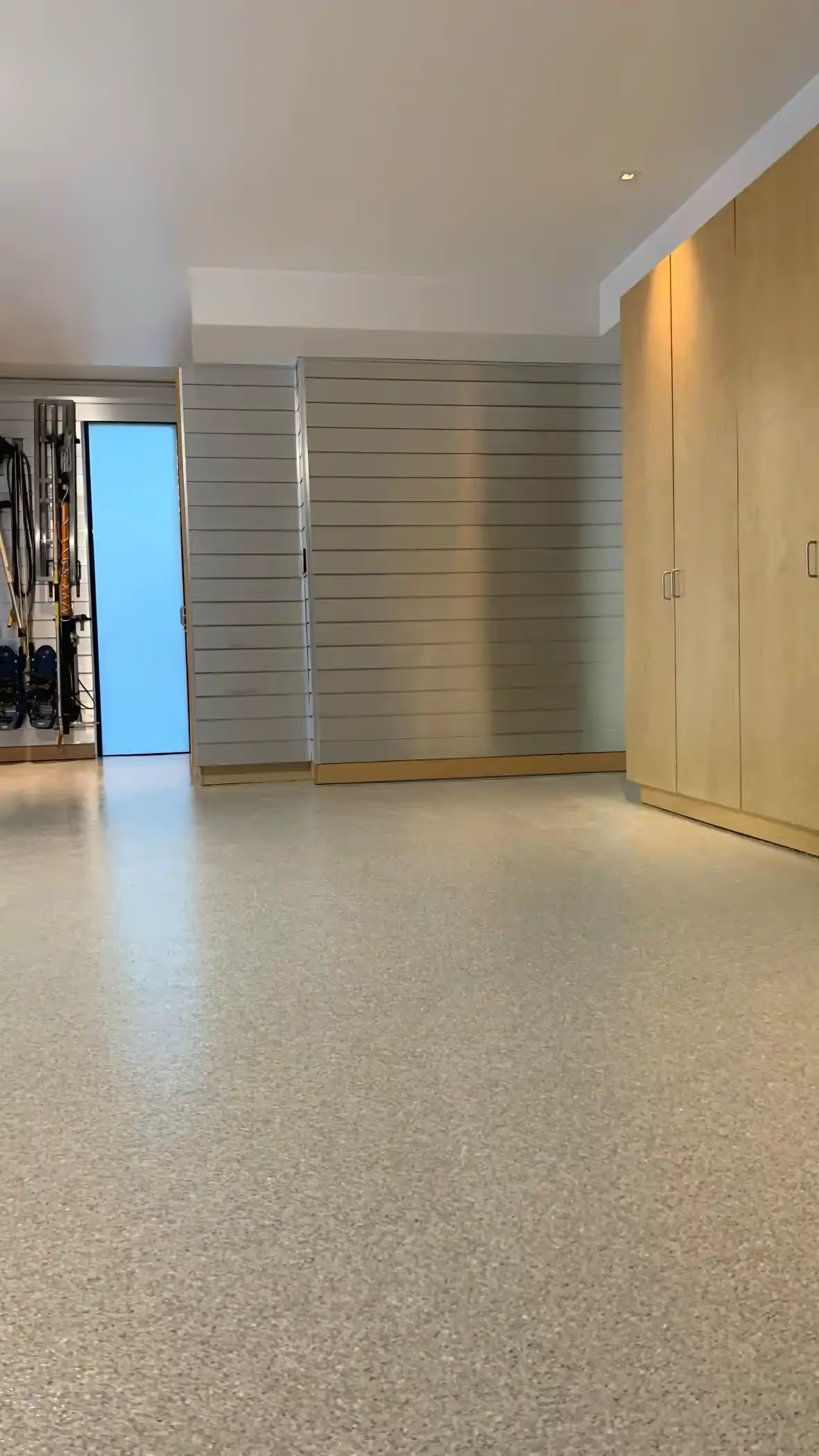
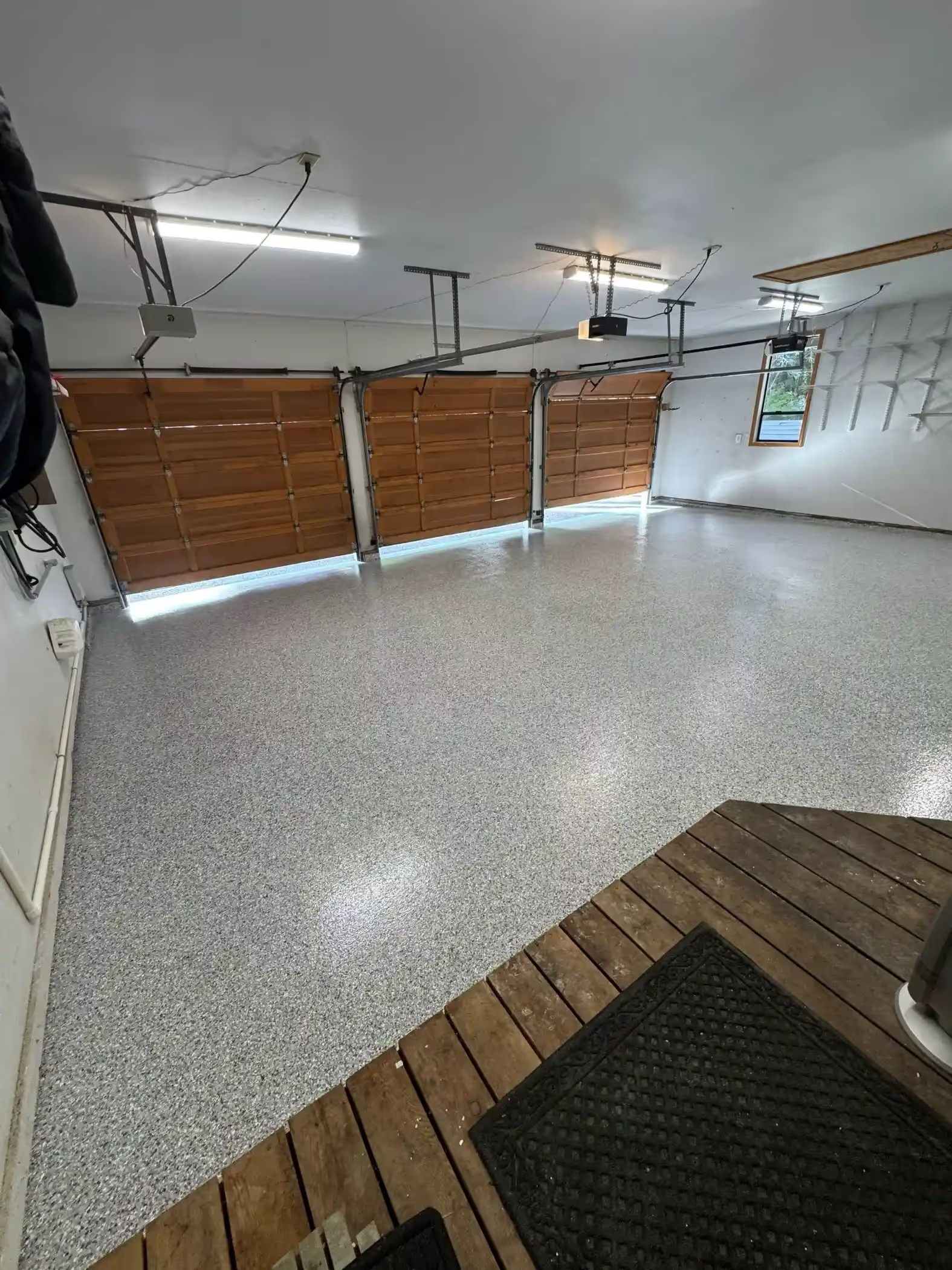
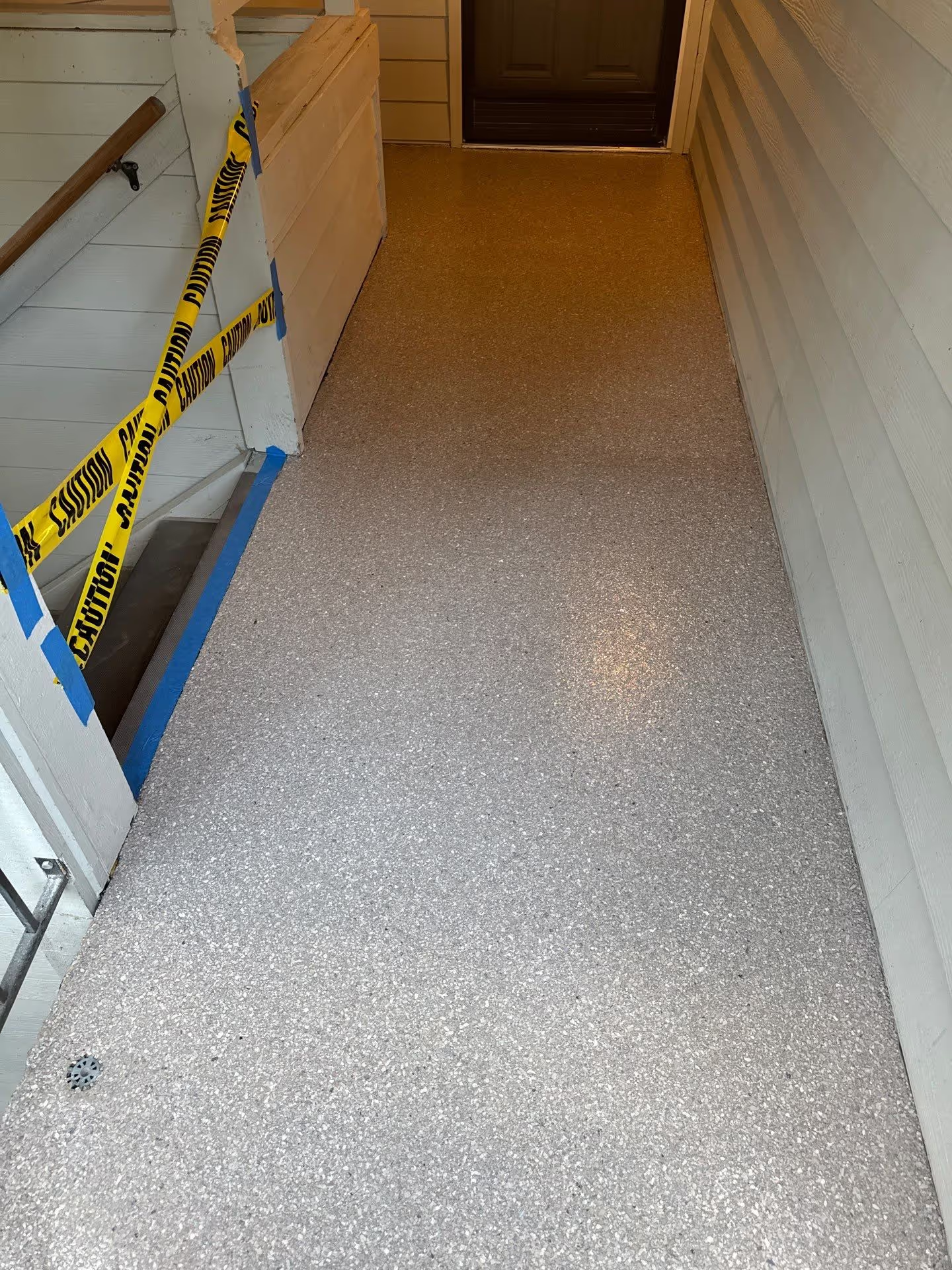
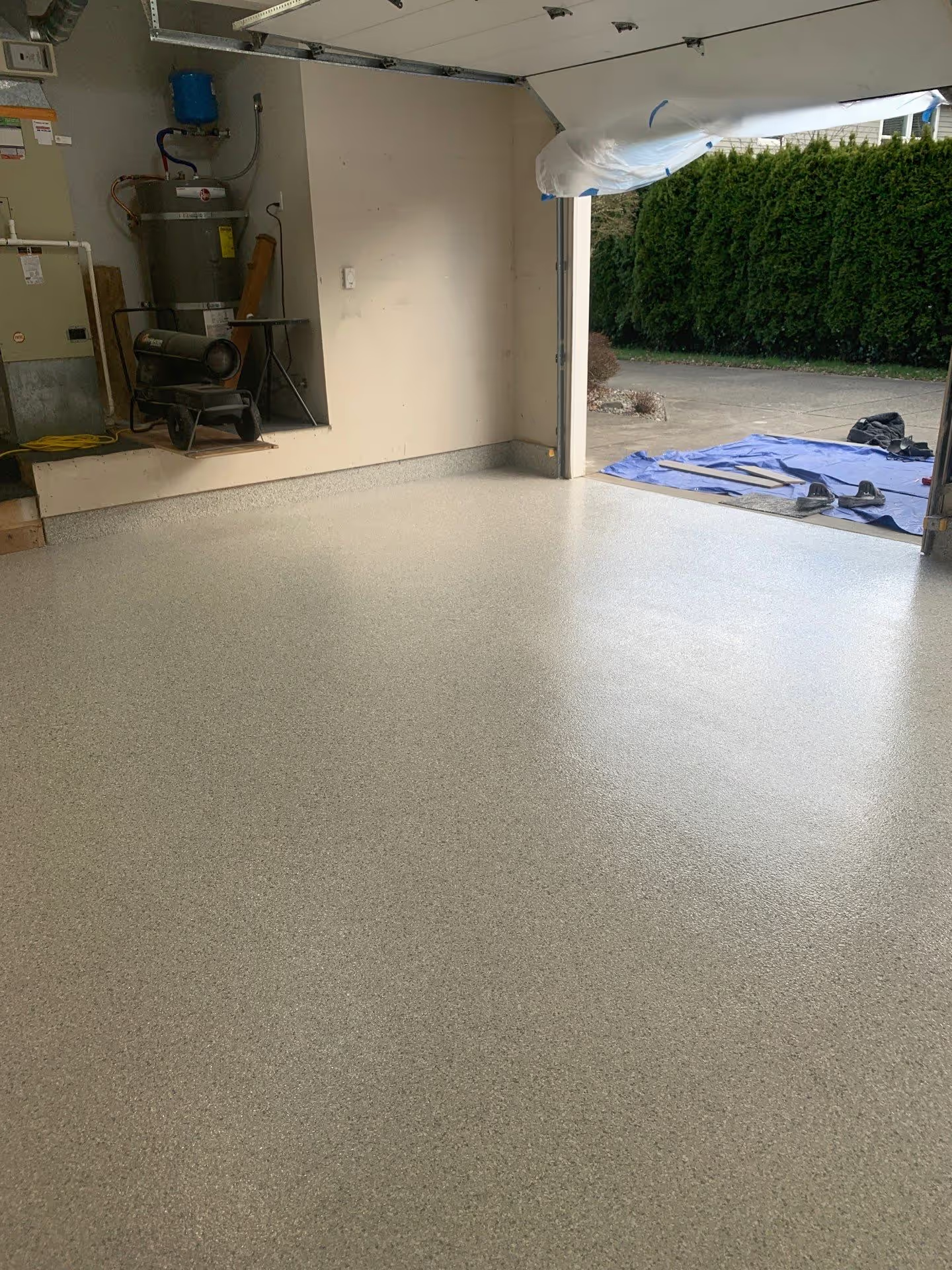
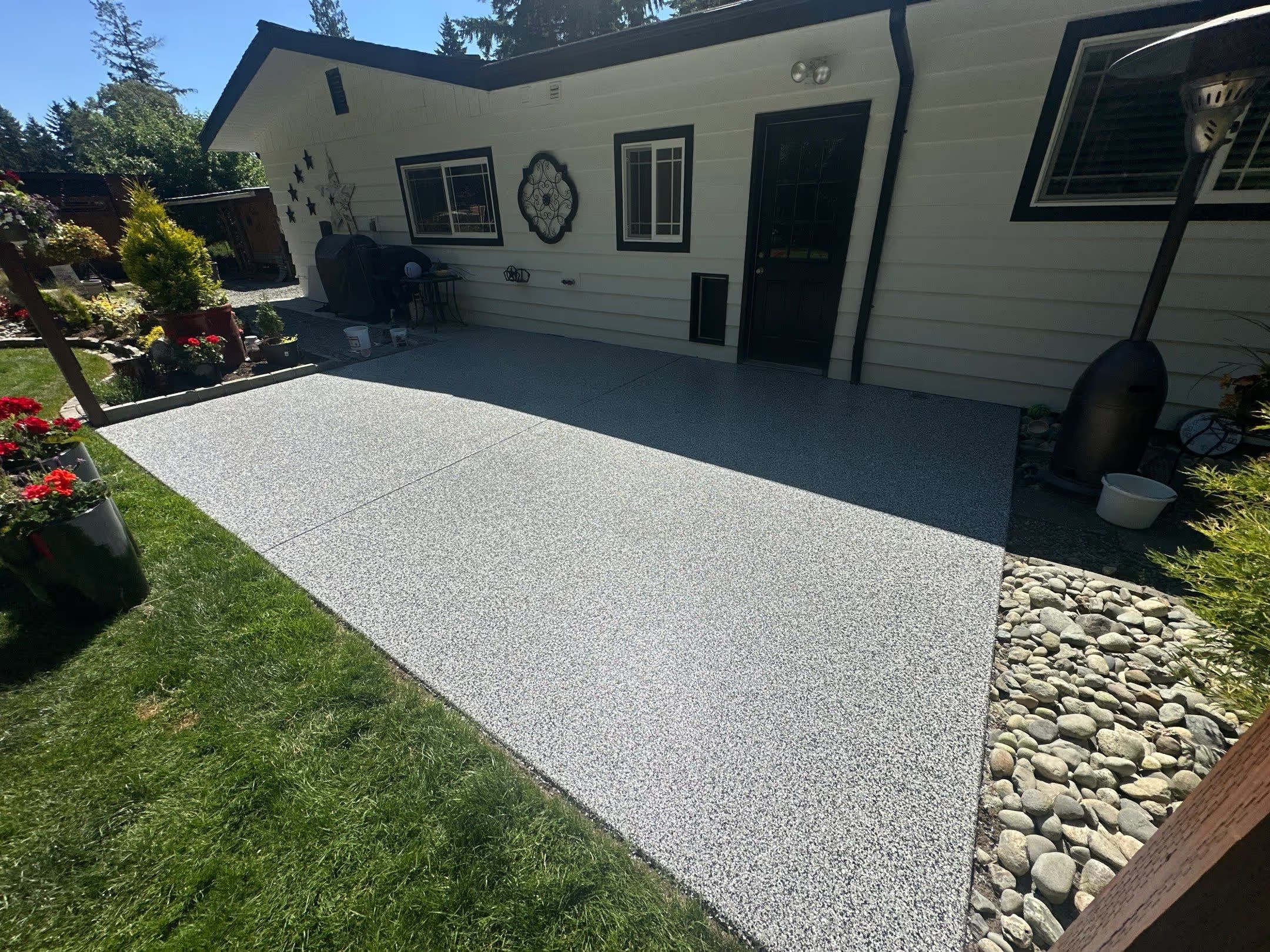
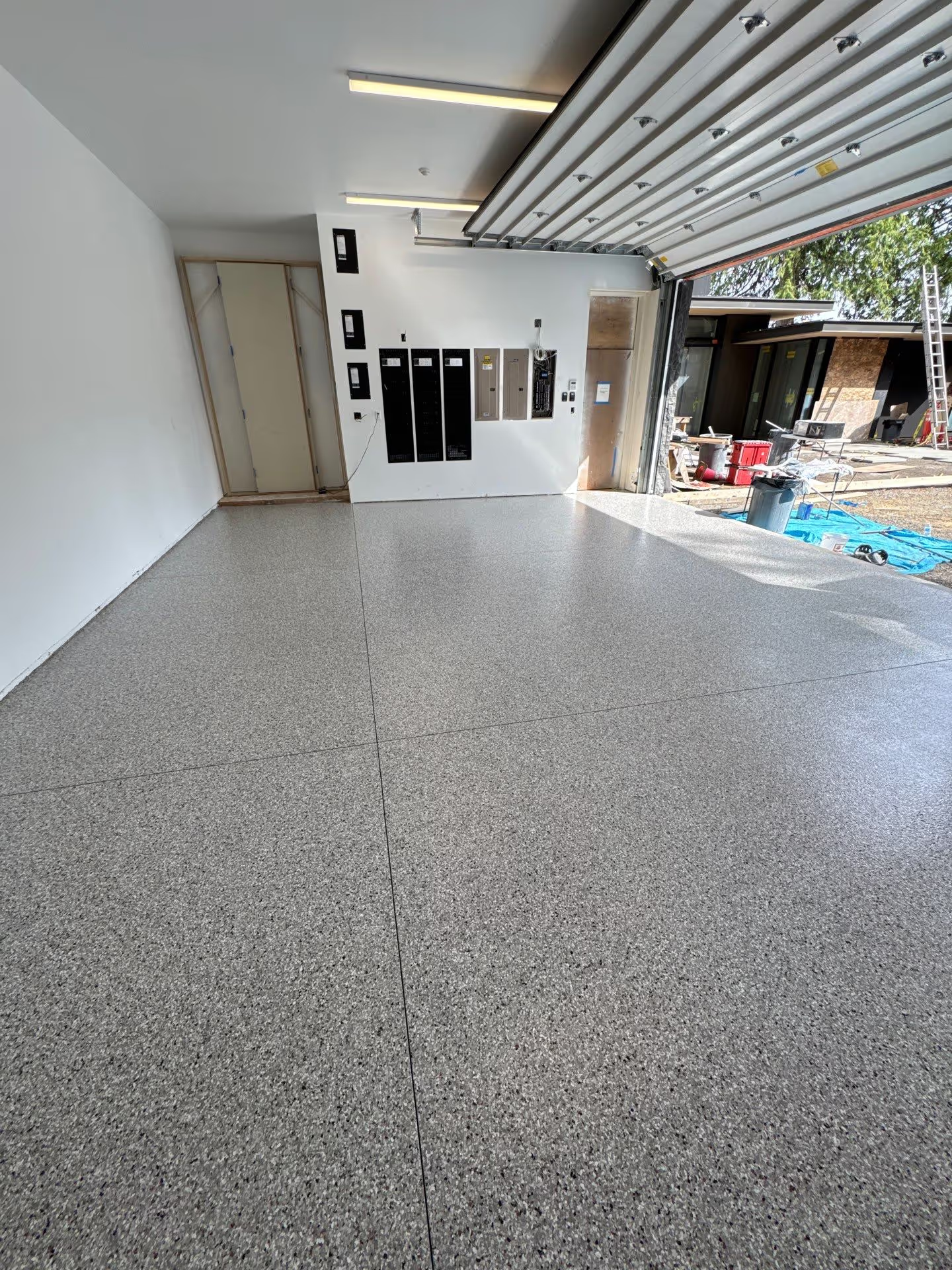
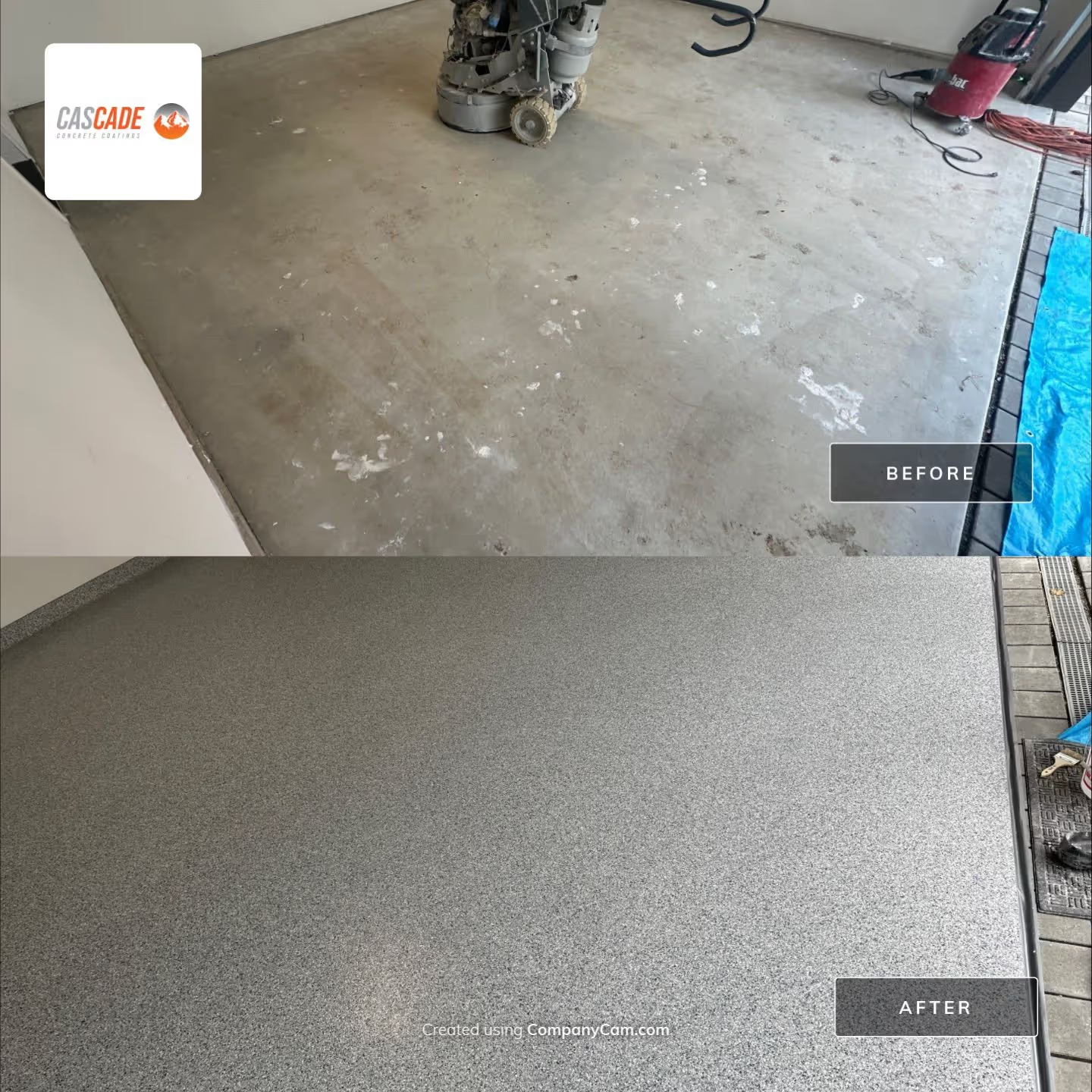
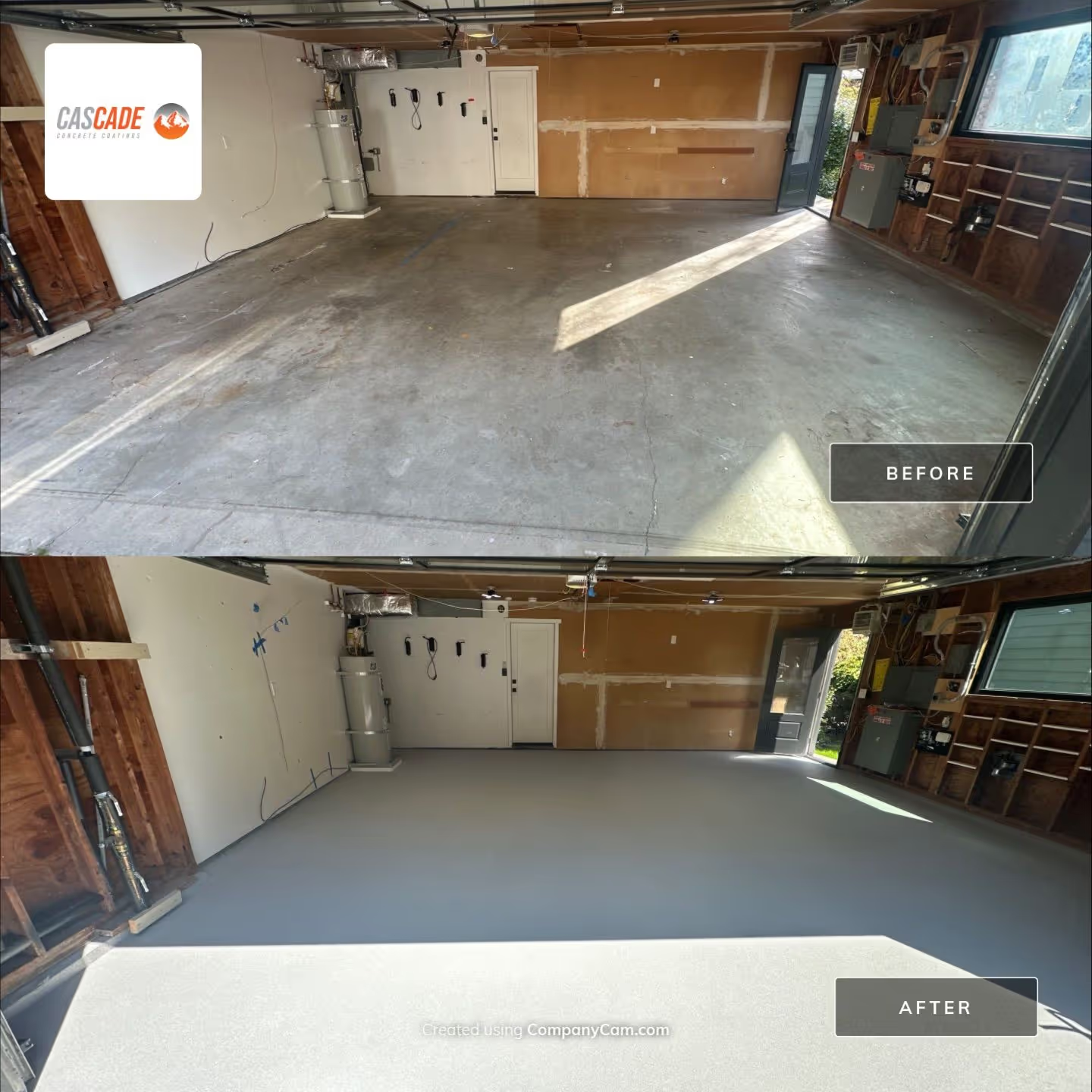
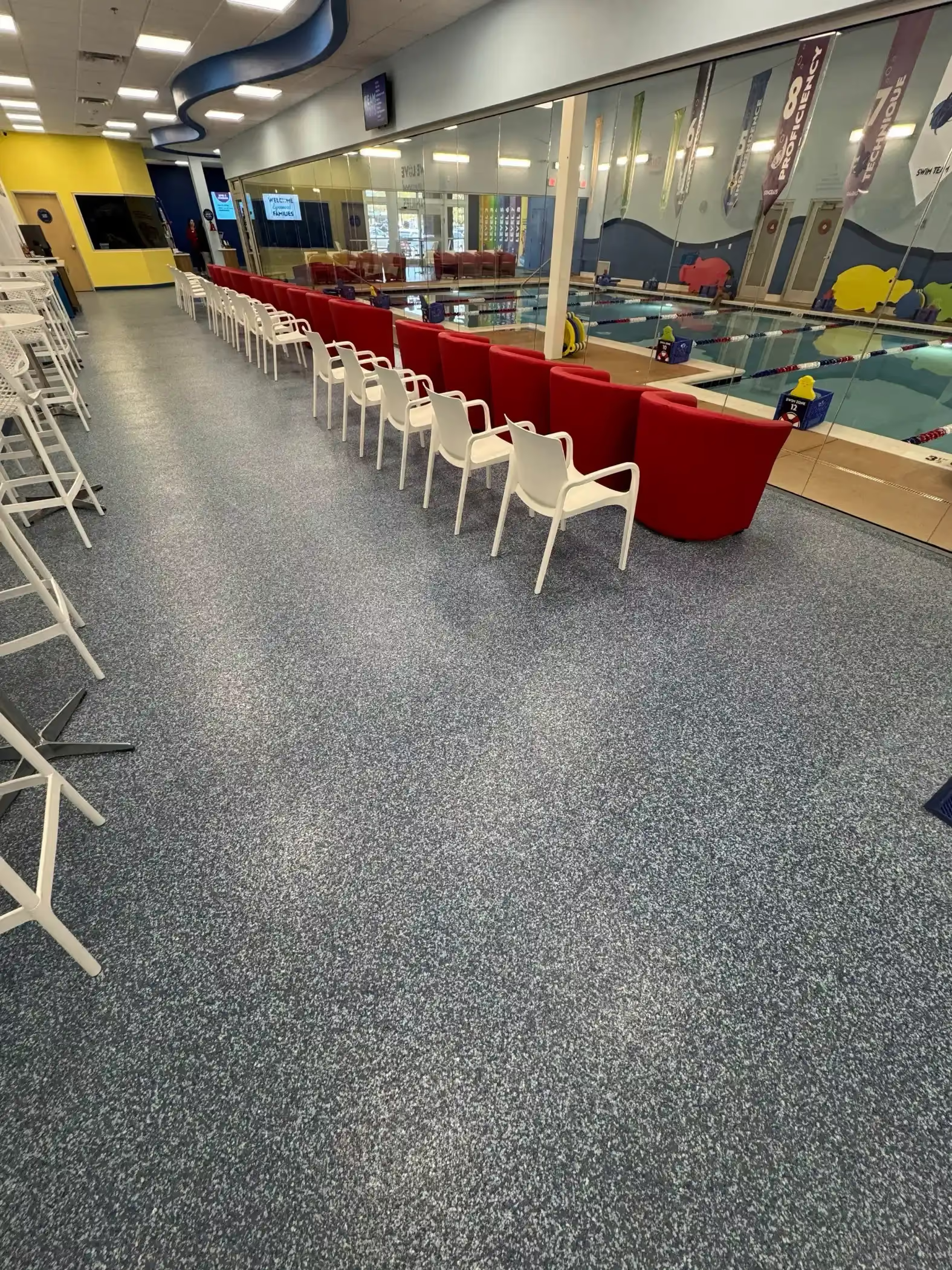
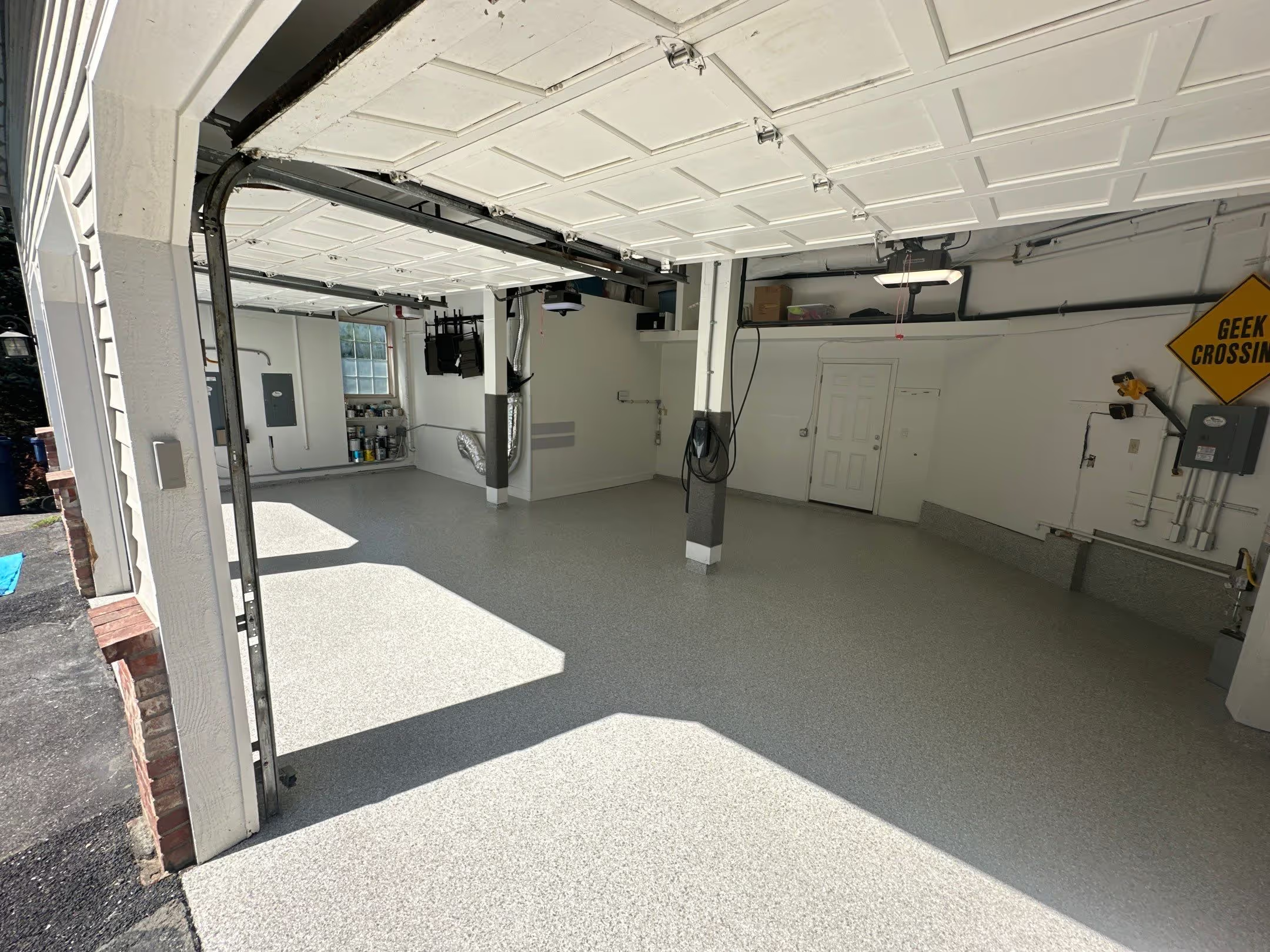
The space got a grey Penntek polyurea system with subtle flake pattern. It's a practical choice for commercial applications where the floor needs to look professional without being distracting. The grey color works in industrial settings, and more importantly, the coating system is built to handle the kind of abuse that comes with running an active business.
Here's what most business owners don't factor in when they go with budget commercial flooring. Sure, you might save $3,000-$5,000 on the initial installation. But when that floor starts failing in 3-5 years, you're not just paying for a new floor. You're shutting down operations, moving inventory or equipment, dealing with downtime, and potentially losing revenue during the recoating process.
A commercial Penntek installation costs more upfront. But it lasts 30-40 years with proper maintenance. That means one installation, one disruption to your business, and decades of reliable flooring. The lifetime cost per square foot is dramatically lower than replacing budget coatings every 5-7 years.
The difference between epoxy and quality polyurea comes down to how it bonds to concrete. Epoxy creates a mechanical bond, basically gripping the texture of the concrete surface. Under heavy use, that mechanical bond starts failing. You get delamination at the edges, lifting in high-traffic areas, and eventually widespread failure.
Penntek polyurea creates a chemical bond with the concrete itself. It's not just sitting on top of the surface. It's actually bonded at a molecular level. That's why you don't see the peeling and lifting that plagues commercial epoxy installations. The coating becomes part of the concrete rather than just a layer on top of it.
Even in commercial spaces without direct sunlight, UV exposure matters. Loading dock doors that open during the day, skylights, windows, and even indirect light cause standard epoxy coatings to yellow over time. That yellowing isn't just cosmetic. It's a sign that the coating is breaking down and losing its protective properties.
Polyurea doesn't yellow from UV exposure. The floor in this Seattle facility will look essentially the same in 10 years as it does today. That consistency matters when you're running a business and want the space to maintain a professional appearance without constant maintenance.
The installation process for commercial Penntek systems is more involved than budget coatings, and that's by design. The concrete gets diamond ground to open the pores and create the right surface profile. All cracks, joints, and damage get properly repaired. The surface gets thoroughly cleaned to remove any contaminants that could interfere with bonding.
This prep work is where many commercial coating companies cut corners to hit aggressive timelines and pricing. They'll grind minimally, skip proper crack repair, or apply coating over marginally clean concrete. The installation looks fine initially, but it's setting up for premature failure down the road.
The Penntek installation process takes the time to do it right. For this Seattle commercial space, that meant proper substrate prep, appropriate crack and joint treatment, and application of the coating system in the right conditions. The result is a floor that'll actually perform for decades rather than years.
Seattle's climate challenges commercial flooring in specific ways. The humidity, temperature swings between seasons, and moisture that gets tracked in all take their toll on coating systems. Rigid epoxy coatings crack when the concrete expands and contracts with temperature changes. Cheap polyurea formulations can blister when moisture vapor comes up through the concrete.
Penntek's formulation handles Pacific Northwest conditions. The flexibility allows it to move with the concrete without cracking. The chemical bond prevents moisture from getting between the coating and concrete to cause blistering. The non-porous surface means water, chemicals, and other substances don't penetrate and cause hidden damage.
Seattle commercial properties need flooring that can handle real-world conditions without constant maintenance or premature replacement. Whether it's a warehouse, storage facility, retail space, or industrial application, the floor needs to perform reliably day after day.
This installation demonstrates what proper commercial flooring looks like. Clean, professional appearance without being flashy. Durable enough to handle daily operations. Easy to maintain with basic cleaning. And most importantly, built to last decades rather than needing replacement in a few years.
The return on investment for quality commercial flooring comes from avoiding the disruption and cost of premature replacement. When you factor in the actual lifetime cost including installation, downtime, and replacement cycles, investing in a proper Penntek system makes more financial sense than going with budget options that'll need replacing multiple times.
If you're looking at commercial flooring options in Seattle or across the greater Puget Sound, it's worth understanding what you're actually getting for your money. The cheapest bid often turns into the most expensive solution when you account for the total cost of ownership over time.
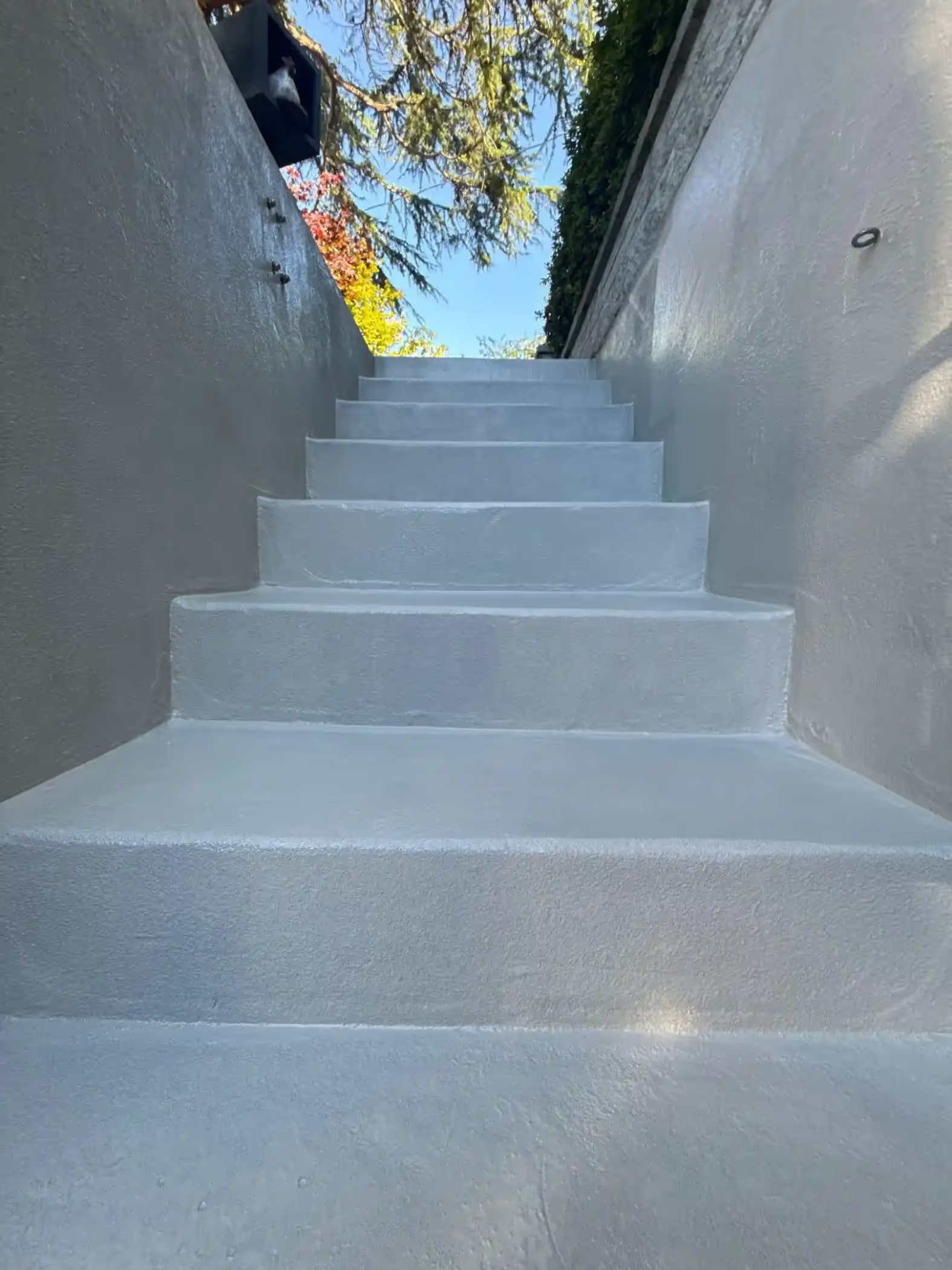
Here's just a few of our previous projects.