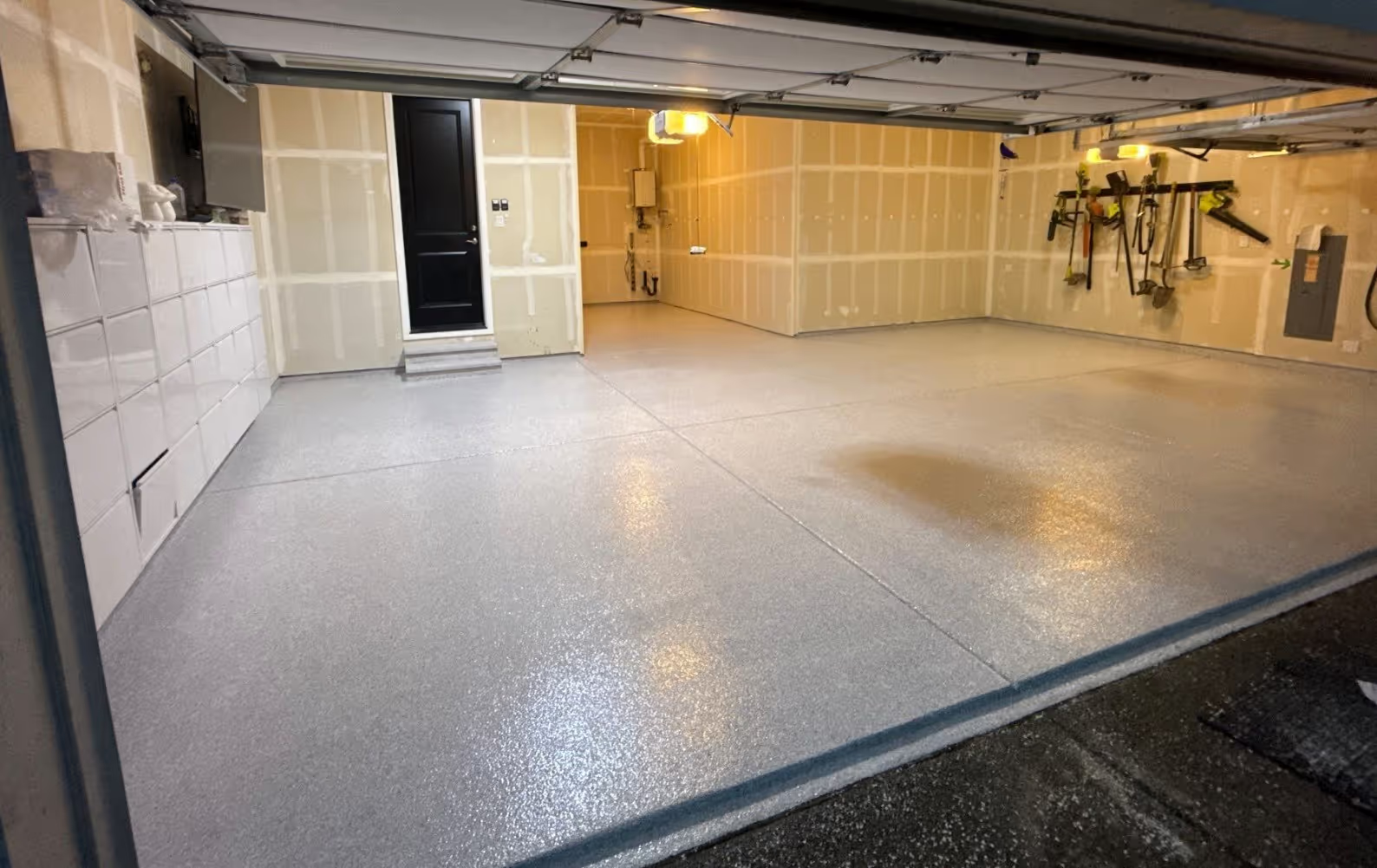
"When's the best time to coat my garage floor?" This question tops the list homeowners ask when planning their garage transformation throughout Bellevue, Sammamish, Kirkland, and the broader Seattle Eastside. The answer isn't as simple as "summer" or "avoid winter"—Pacific Northwest climate creates unique seasonal considerations that affect garage floor coating success, and understanding these patterns helps homeowners choose optimal installation timing while avoiding common seasonal pitfalls.
The Pacific Northwest defies simple seasonal categorizations. Unlike regions with predictable weather patterns—hot dry summers and cold snowy winters—Western Washington experiences moderate temperatures year-round with significant precipitation variability. Seattle receives 38 inches of annual precipitation, but distribution varies dramatically by season. Summer delivers weeks of beautiful dry weather ideal for outdoor projects, while winter brings persistent drizzle and moderate temperatures that create coating installation challenges. Spring and fall occupy middle ground with variable conditions requiring flexible scheduling.
As the certified Penntek dealer serving King County and surrounding areas, we install garage floor coatings year-round throughout all seasons. While certain times of year provide advantages, professional Penntek installation succeeds in virtually any season when appropriate precautions are taken. Understanding seasonal patterns helps homeowners plan projects intelligently, but it shouldn't prevent winter or shoulder-season installations when that timing better suits their schedule. This comprehensive guide explains what makes each season unique for garage floor coating installations and how to optimize timing for your specific situation.
Spring offers excellent garage floor coating conditions throughout Redmond, Bothell, and surrounding communities. As Pacific Northwest weather transitions from winter's persistent rain toward summer's dry warmth, coating installation windows open frequently.
Moderate Temperatures: Spring temperatures typically range from 50-65°F—ideal for Penntek polyurea application. These moderate temperatures ensure proper coating cure rates without the cold-weather challenges of winter or extreme heat occasionally experienced in summer. Concrete surface temperatures remain stable, eliminating the thermal stress that temperature extremes create.
Increasing Dry Periods: While spring still delivers significant rainfall (Seattle averages 3-4 inches in both March and April), periods between rain events lengthen compared to winter. Multi-day dry spells occur regularly, providing installation windows where moisture concerns minimize. Professional contractors monitor forecasts carefully, scheduling installations during predicted dry periods.
Moisture Management Advantages: Spring's warming temperatures help dry winter moisture accumulated in concrete slabs. Garage floors that might have elevated moisture readings in January or February often show improved conditions by April or May. This natural drying benefits installations by reducing moisture-related risks.
Contractor Availability: Spring represents the beginning of busy season for many contractors, but availability remains better than summer peak periods. Homeowners planning spring installations typically secure preferred dates with 2-4 weeks advance scheduling rather than the 6-8 weeks sometimes required for peak summer dates.
Preparation for Summer Use: Installing garage floor coatings in spring means floors are fully cured and ready for heavy summer use—BBQ equipment moving in and out, gardening supplies, sports equipment, and the general activity increase that summer brings. Spring installation provides months of coating cure before maximum garage use begins.
Spring weather variability creates planning challenges despite favorable overall conditions:
Unpredictable Weather Windows: Pacific Northwest spring weather famously changes rapidly. A forecast calling for three dry days might shrink to one day when unexpected showers arrive. Professional contractors maintain scheduling flexibility to accommodate weather changes, sometimes rescheduling installations on short notice when conditions shift.
Moisture Testing Variability: Spring's transition from wet winter to drier summer means concrete moisture levels can vary week to week. Testing conducted in March might show different readings than April testing on the same slab. We sometimes conduct moisture testing closer to installation dates during spring to ensure accurate assessment of current conditions rather than relying on earlier testing.
Morning Dew and Humidity: Spring mornings often bring dew condensation even when afternoons are dry. Surface moisture from morning dew must completely evaporate before coating application proceeds. This sometimes delays morning start times until 9:00 or 10:00 AM rather than the 7:00 AM starts possible during drier seasons.
Schedule Competition: As spring progresses toward summer, contractor schedules fill rapidly. Early spring (March-April) offers better availability than late spring (May) when summer schedules are booking. Homeowners planning spring installations should schedule several weeks in advance to secure preferred dates.
Maximize spring installation success with these strategies:
Book Early: Contact contractors in February or early March to secure April or May dates. Spring schedules fill quickly as homeowners emerge from winter hibernation eager to tackle improvement projects.
Maintain Flexibility: When scheduling spring installations, maintain some schedule flexibility if possible. Weather-related rescheduling occurs more frequently in spring than summer. Homeowners who can accommodate 1-2 week schedule adjustments experience less stress when weather forces date changes.
Monitor Conditions: In the week before scheduled installation, monitor weather forecasts and communicate with your contractor if concerning weather develops. Professional contractors watch conditions closely and proactively discuss potential timing adjustments.
Clear Garage Early: Complete garage clearance several days before installation rather than the morning of installation. This preparation allows immediate start when conditions permit rather than losing installation windows to last-minute garage organization.
Summer represents peak garage floor coating season throughout the Pacific Northwest for excellent reasons. The combination of favorable weather, optimal curing conditions, and homeowner availability makes summer installations highly successful.
Consistent Dry Weather: Seattle's famous summer drought creates ideal coating conditions. July and August typically deliver weeks of uninterrupted dry weather with minimal rain risk. This consistency allows confident scheduling without weather-related rescheduling concerns that plague other seasons. Installation dates scheduled weeks in advance proceed as planned with high confidence.
Optimal Temperature Range: Summer temperatures throughout Woodinville and Issaquah typically range from 65-85°F—perfect for polyurea application and cure. These warm temperatures promote optimal chemical reactions in Penntek formulations, achieving maximum coating performance and shortened cure times.
Low Humidity: Pacific Northwest summer humidity drops significantly compared to other seasons. Lower humidity accelerates coating cure, reduces moisture vapor transmission from concrete, and eliminates morning dew concerns that complicate installations in other seasons. Installation crews can start early (6:30-7:00 AM) without waiting for dew evaporation.
Extended Daylight: Summer's long days provide additional installation flexibility. The extended daylight hours mean installations can continue later if needed, providing buffer for unexpected delays while still completing same-day installations. This scheduling flexibility reduces pressure on installation crews and allows more meticulous work.
Vacation Scheduling Alignment: Many homeowners plan summer vacations that create convenient installation timing. A garage floor coating installation coordinated with a week-long vacation means homeowners return to a completed, fully-cured garage without disruption to daily life.
Optimal Cure Conditions: Summer warmth and low humidity create ideal coating cure conditions. Penntek polyurea cure times are already fast compared to epoxy, but summer conditions further accelerate cure, allowing vehicle return as soon as 24 hours after installation in many cases.
Despite numerous advantages, summer installations face certain challenges:
Extreme Heat Days: Occasional summer heat waves bring temperatures exceeding 90°F, sometimes reaching 95-100°F during record events. These extreme temperatures can cause coatings to cure too rapidly, potentially affecting application workability and finish quality. Professional contractors monitor forecasts and may adjust installation timing or techniques during extreme heat events.
Contractor Schedule Congestion: Summer represents peak demand for garage floor coating services. Quality contractors book 6-8 weeks in advance during peak summer months (July-August). Homeowners planning summer installations should schedule by late spring (April-May) to secure preferred summer dates.
Premium Pricing: Some contractors implement peak-season pricing during summer months when demand exceeds capacity. While we maintain consistent year-round pricing, homeowners should verify pricing terms when scheduling summer installations with any contractor.
Vacation Conflicts: While coordinating installations with vacations creates advantages, it also creates challenges when vacation plans change. Rescheduling summer installations can be difficult given contractor schedule congestion. Homeowners should finalize vacation plans before scheduling coating installations to avoid conflicts.
Surface Temperature Management: Direct sun on concrete surfaces can elevate surface temperatures significantly above air temperature. Dark concrete in direct sun might reach 110-120°F even when air temperature is only 80°F. Excessive surface heat can affect coating application. Installers sometimes adjust application timing to avoid peak surface temperature hours or use techniques to manage surface temperature.
Homeowners planning summer installations should:
Schedule Early: Contact contractors by April or early May to secure July or August installation dates. Peak summer schedule fills rapidly, and early scheduling provides best date selection.
Consider June or September: Early summer (June) and late summer (September) offer nearly identical weather advantages as peak summer (July-August) but with better contractor availability and less schedule pressure. These shoulder periods often represent the sweet spot of excellent conditions without peak-season congestion.
Plan Around Vacations: If coordinating installation with vacation plans, book installation first, then plan vacation dates around confirmed installation schedule. This sequence prevents conflicts and maximizes the vacation-coordination advantage.
Prepare for Quick Turnaround: Summer installations often cure faster than expected. Be ready to return vehicles to the garage within 24 hours in many cases, though we still recommend waiting 48 hours when possible for maximum coating hardness.
Fall garage floor coating installations offer advantages many homeowners overlook. While spring and summer receive more attention, fall provides an excellent installation window throughout the Seattle Eastside.
Extended Dry Periods: September and early October often extend summer's dry weather pattern. These months frequently deliver excellent coating conditions with lower contractor demand than peak summer. Late fall (November) becomes wetter, but dry windows still occur regularly between rain systems.
Moderate Temperatures: Fall temperatures typically range from 50-70°F through October, dropping to 45-60°F in November. These moderate temperatures remain well within optimal coating application ranges. Cool temperatures actually benefit cure by slowing reactions slightly, providing longer workability windows during application.
Excellent Contractor Availability: As busy summer season concludes, contractor availability improves dramatically. Fall scheduling often allows 2-3 week lead times rather than the 6-8 weeks required for peak summer. This improved availability benefits homeowners with flexible timing who prefer shorter planning horizons.
Competitive Pricing: Some contractors offer fall promotions or discounts to maintain crew productivity between summer's peak and winter's slower period. Homeowners planning fall installations may find pricing advantages unavailable during peak summer demand.
Preparation for Holiday Season: Many homeowners clean and organize garages before holiday season begins—accommodating guests, storing decorations, or preparing for seasonal vehicle needs. Fall garage floor coating installation transforms garages before holiday entertaining begins, allowing homeowners to showcase beautiful garage spaces to holiday visitors.
School Schedule Alignment: Fall installation timing often aligns well with back-to-school schedules. Families settled into fall routines find garage organization projects fit naturally into seasonal home maintenance patterns.
Fall installation planning requires attention to specific seasonal factors:
Weather Monitoring: Fall weather becomes increasingly variable as the season progresses. September installations enjoy summer-like reliability, but November installations require careful forecast monitoring and schedule flexibility. Professional contractors maintain close weather watch during fall installations.
Shortened Days: Daylight hours decrease through fall, affecting installation scheduling. October installations have adequate daylight, but November installations sometimes face time pressure from shortened days. Quality contractors plan appropriately for seasonal daylight variations.
Moisture Management: Fall rain increases concrete moisture gradually through the season. September concrete moisture readings often match summer conditions, but November readings typically show increased moisture from accumulated rainfall. Moisture testing becomes particularly important for late fall installations.
Holiday Schedule Conflicts: Late November installations may conflict with Thanksgiving travel or holiday preparation activities. When planning November installations, coordinate carefully with holiday schedules to avoid conflicts.
Leaf Management: Fall leaves create cleanup complications if they fall on wet or curing coatings. Garage door positioning and timing of installation relative to peak leaf fall helps manage this seasonal factor.
Optimize fall installations with these approaches:
Early Fall Preference: September and October offer the best balance of favorable conditions and improved availability. These months provide near-summer conditions with less schedule pressure.
Flexibility for Late Fall: November installations can succeed excellently but require schedule flexibility to accommodate weather-related timing adjustments. Homeowners with rigid schedules should prefer early fall dates.
Moisture Testing: Late fall installations particularly benefit from thorough moisture testing. Fall rain accumulation affects concrete moisture, and testing ensures appropriate system selection for actual conditions.
Weather Coordination: Monitor extended forecasts in the weeks before installation. Fall weather systems often provide 7-10 day forecast reliability, allowing good installation window prediction.
Many homeowners assume garage floor coating installations must wait until spring, but professional Penntek installation succeeds throughout Pacific Northwest winters. Understanding winter challenges and how professional contractors overcome them helps homeowners confidently schedule winter installations when timing suits their needs.
Temperature Management: Winter temperatures in Seattle typically range from 35-50°F—cool but rarely extreme. Penntek polyurea can be applied successfully at temperatures as low as 50°F with proper techniques. When ambient or concrete temperatures drop below optimal ranges, professional contractors use several approaches:
Moisture and Humidity Management: Winter rain creates elevated ambient humidity and increased concrete moisture that require careful management:
Reduced Daylight: Short winter days affect installation scheduling and completion timing:
Winter installations provide advantages that surprise many homeowners:
Optimal Availability: Winter represents slowest season for many contractors. Scheduling winter installations often allows just 1-2 week lead times compared to 6-8 weeks during summer peak. This improved availability benefits homeowners needing quicker project completion.
Focused Attention: Reduced winter workload means installation crews can devote maximum attention to your project without schedule pressure. This unhurried approach often yields meticulous installations showcasing superior craftsmanship.
Potential Cost Savings: Some contractors offer winter promotions maintaining crew productivity during slower seasons. While we maintain consistent year-round pricing, homeowners should explore whether winter timing provides pricing advantages with any contractor they consider.
Preparation for Spring: Winter installation means garage floors are ready when spring arrives. Rather than waiting until spring to begin coating projects, winter installation allows homeowners to enjoy newly-coated garages throughout spring and summer rather than missing portions of prime garage-use seasons.
No Summer Disruption: Homeowners avoiding summer project disruption appreciate winter timing. Summer months often bring vacation travel, outdoor entertaining, and maximum garage use. Winter installation avoids disrupting these peak-use periods.
Winter installations succeed when homeowners and contractors meet certain requirements:
Professional Installation Essential: DIY installations during winter face significant challenges that even experienced homeowners struggle to overcome. Professional contractors possess the equipment, expertise, and materials needed for successful winter application. Winter represents the season where professional versus amateur installation gap widens most dramatically.
Schedule Flexibility: Winter weather variability requires greater schedule flexibility than summer installations. Homeowners should allow 1-2 week flexibility windows accommodating weather-related timing adjustments without stress.
Garage Preparation: Clearing garages completely becomes even more important during winter when installation windows may be limited. Having garages completely ready allows crews to proceed immediately when conditions permit.
Temperature Tolerance: While professional heating can warm garages, homeowners should understand that winter-installed coatings may require slightly longer cure times (48 hours instead of 24 hours) before returning vehicles. This modest extension rarely creates problems but should be anticipated.
Quality Contractor Selection: Winter installation success depends heavily on contractor expertise and professionalism. Choosing certified Penntek installers ensures your winter installation receives the specialized attention and technical knowledge this season requires.
Optimal installation timing balances seasonal advantages against personal schedule requirements. For many homeowners, personal timing constraints outweigh seasonal weather considerations, and that's perfectly appropriate when working with professional contractors capable of year-round installation.
Consider These Personal Factors:
Professional Penntek installation succeeds throughout all seasons, so let personal timing drive decisions rather than feeling constrained to wait for theoretically "perfect" seasons.
Sometimes garage floor coating timing is driven by urgency rather than seasonal optimization:
Active Coating Failure: If existing coating is actively failing, waiting months for optimal season prolongs exposure to deteriorating conditions. Professional contractors can address failure situations in any season.
Home Sale Preparation: Homeowners preparing for property sales may need installation completed on schedules dictated by real estate market timing rather than seasonal preferences.
New Construction: New construction schedules often determine coating timing regardless of season. Professional contractors coordinate with construction schedules year-round.
Unexpected Damage: Concrete damage from vehicle incidents, foundation issues, or other unexpected problems sometimes necessitates coating installation on accelerated timelines that don't align with preferred seasons.
When urgency drives timing, professional installation becomes even more critical. Experienced contractors succeed in less-than-ideal conditions through expertise and appropriate techniques.
Penntek polyurea's chemistry provides specific advantages for year-round Pacific Northwest installations:
Broader Temperature Range: Pure polyurea formulations tolerate wider temperature ranges than epoxy. While epoxy requires 60-85°F for reliable application, Penntek polyurea succeeds from 50-90°F. This expanded range accommodates Pacific Northwest's moderate climate perfectly.
Rapid Cure Chemistry: Fast cure times benefit all-season installation but particularly help cold-weather applications. Even when cure slows slightly in winter cold, Penntek still cures faster than epoxy under ideal summer conditions. This rapid cure minimizes exposure to weather variations during critical cure periods.
Superior Moisture Tolerance: Pure polyurea better tolerates the elevated moisture common in Pacific Northwest climates compared to epoxy. While proper moisture testing and management remain essential, Penntek's formulation provides greater margin for success in this perpetually damp region.
Flexibility Advantages: Temperature cycling from day to night or season to season creates concrete expansion and contraction. Penntek's superior flexibility accommodates this movement without cracking or delaminating, providing reliability through years of seasonal temperature variations.
Penntek certification ensures installers understand seasonal installation requirements and appropriate technique adjustments for varying conditions. This expertise proves particularly valuable during challenging seasons:
Weather Assessment Skills: Certified installers accurately assess whether current conditions permit successful installation or whether delays are appropriate. This judgment protects installations from weather-related failures.
Technical Adaptability: Trained installers adjust application techniques based on temperature, humidity, and surface conditions, optimizing outcomes regardless of season.
Comprehensive Testing: Seasonal moisture variation makes thorough testing even more critical. Certified installers conduct appropriate testing and interpret results correctly for current seasonal conditions.
Equipment Capability: Professional contractors maintain equipment needed for all-season installation—heaters, dehumidifiers, lighting, weather monitoring—ensuring successful installations year-round.
For homeowners planning garage floor coating installations throughout Bellevue, Sammamish, Kirkland, Redmond, Bothell, Woodinville, and surrounding communities, understanding seasonal considerations helps optimize timing without creating artificial constraints.
Summer (June-September) offers the most favorable overall conditions and represents peak installation season for good reason. Choose summer when possible if your schedule permits and you can book far enough in advance.
Spring (March-May) provides excellent conditions with better availability than summer. Consider spring for the balance of good weather and easier scheduling.
Fall (September-November) delivers underrated advantages with improved availability and often excellent conditions. Fall represents perhaps the best value season for installations.
Winter (December-February) succeeds reliably with professional Penntek installation. Choose winter when personal timing makes it optimal, understanding that professional installation becomes even more important during this season.
The "best" season ultimately depends on your specific situation, schedule, and priorities. Professional Penntek installation succeeds year-round, so let your needs drive timing rather than waiting indefinitely for theoretically perfect conditions.
Contact Cascade Concrete Coatings to discuss your preferred timing and learn how we'll ensure successful installation regardless of season. Our certified installers complete beautiful, durable Penntek installations throughout the year, adapting techniques appropriately for seasonal conditions while delivering consistent quality regardless of when your project occurs.
Your garage transformation doesn't have to wait for summer—professional expertise makes any season the right season for your Penntek installation.