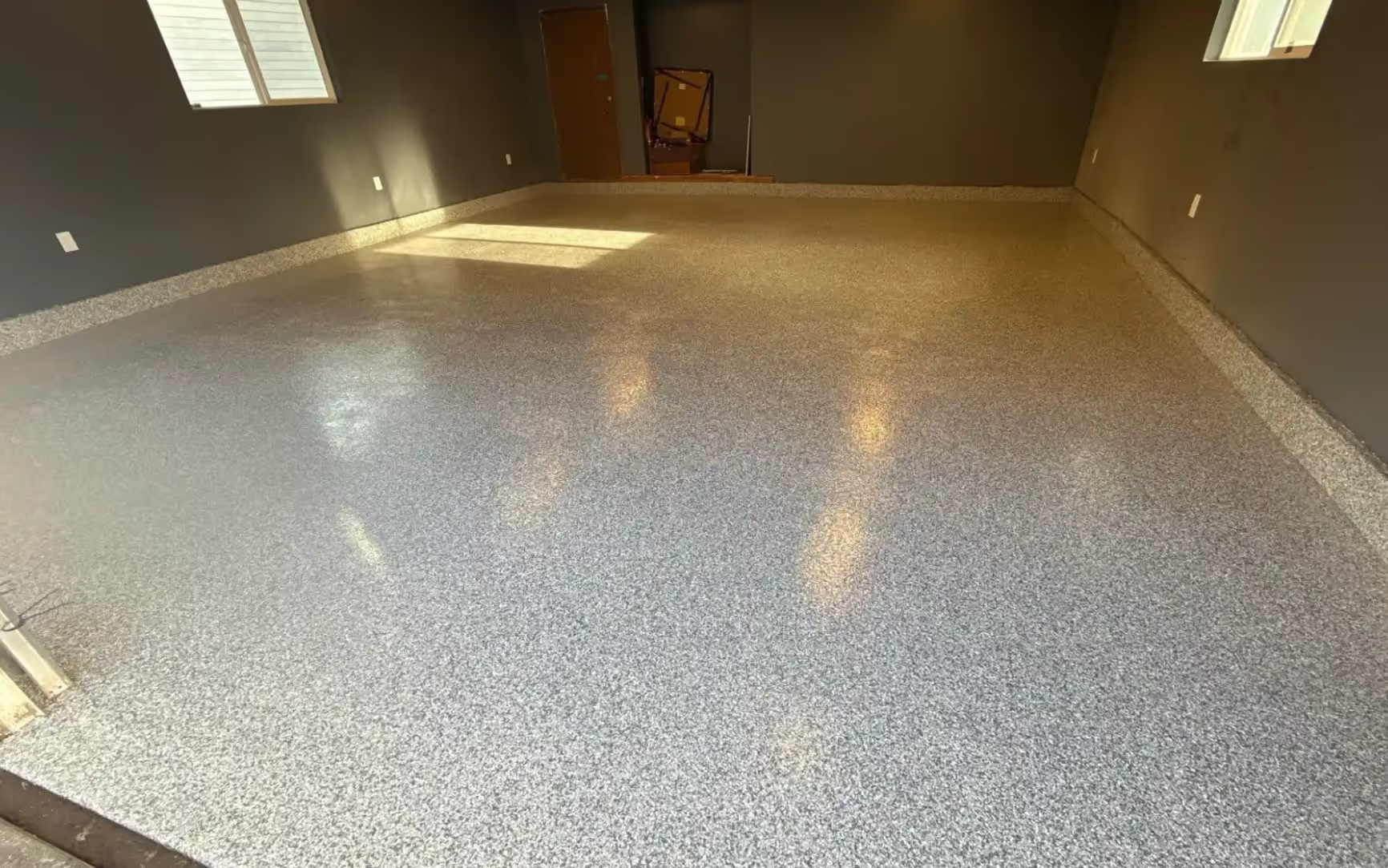
The garage has evolved. Once simply a place to park vehicles and store lawn equipment, today's garage in affluent Seattle Eastside communities increasingly serves as the home's energy hub—housing electric vehicle charging equipment, battery storage systems, and sophisticated electrical infrastructure. For Tesla, Rivian, Lucid, and other electric vehicle owners throughout Sammamish, Bellevue, Redmond, and Kirkland, the garage floor coating decision intersects with electrical infrastructure planning in ways that didn't exist just five years ago.
The Pacific Northwest leads the nation in electric vehicle adoption, with King County ranking among the highest EV ownership rates in the country. Neighborhoods like Sammamish Plateau, downtown Bellevue, and Redmond's technology corridors show EV adoption rates exceeding 15-20% of households—triple the national average. These early adopters invested significantly in their vehicles and charging infrastructure, and now they're discovering that garage floor coating decisions require different considerations than traditional gas vehicle garages.
The questions we hear regularly: Should I install floor coating before or after charging equipment? Will coating protect against coolant leaks from EVs? How do I plan cable management with floor aesthetics? Does fast charging generate heat that affects coatings? Will contractor vans damage my new coating during electrical installation? As the certified Penntek dealer serving Seattle's highest EV adoption communities, we've completed hundreds of installations specifically for EV owners, and we've learned the unique planning considerations that ensure both your charging infrastructure and floor coating investment succeed long-term.
Electric vehicles introduce garage considerations absent in traditional vehicle ownership. Understanding these differences helps homeowners plan floor coating projects that accommodate both current EV ownership and future technology evolution.
Electrical Infrastructure Complexity: Level 2 home charging requires 240-volt dedicated circuits delivering 40-60 amps—similar to electric dryers or ranges. This infrastructure involves conduit runs, circuit breaker panels, GFCI protection, and substantial wiring that contractors must install and maintain. The floor coating project must not compromise electrical installations or create future access difficulties.
Cable Management Requirements: Unlike gas vehicles requiring occasional fill-ups, EVs connect to charging equipment every time they park. This daily cable handling creates unique floor considerations—cables rest on floors, drag across surfaces during connection, and accumulate dirt and moisture that transfers to flooring. Poorly-planned cable management creates tripping hazards, cable wear, and floor wear patterns.
Coolant and Fluid Considerations: While EVs eliminate engine oil changes, they contain specialized coolants for battery thermal management systems, brake fluid for regenerative braking, and windshield washer fluid. EV coolants differ chemically from traditional automotive fluids, and not all garage floor coatings resist these specialized compounds equally well.
Thermal Considerations: Fast charging generates significant heat in charging equipment, cables, and vehicle battery systems. While this heat rarely transfers to floors directly, charging equipment mounting locations and ventilation requirements affect garage layout and coating planning.
Weight and Tire Characteristics: Many EVs weigh 800-1,500 pounds more than comparable gas vehicles due to battery packs. This additional weight creates higher floor loading, particularly in concentrated wheel contact areas. EV tires often use specialized compounds optimized for the instant torque EVs deliver—compounds that may have different coating interaction characteristics than traditional tires.
Technology Evolution: Homeowners installing charging infrastructure today must consider future evolution. Will you upgrade from Level 2 to faster charging? Will you add a second EV? Will battery storage systems integrate with your charging equipment? Floor coating decisions should accommodate this likely infrastructure expansion without requiring complete garage re-work.
Seattle Eastside EV owners tend to share certain characteristics that inform appropriate garage floor coating recommendations:
Early Technology Adopters: These homeowners embrace new technology and appreciate innovation. They understand that premium products often deliver better long-term value than budget alternatives, and they're willing to invest appropriately when technical justification is clear.
High Home Values: Properties in Sammamish, Bellevue, Newcastle, and Redmond where EV adoption concentrates typically range from $1.5-5+ million. These homeowners expect premium finishes throughout their homes, and garage spaces increasingly receive the same attention to quality as interior living spaces.
Multiple Vehicle Households: Many EV-owning households maintain 2-4 vehicles including both electric and gas vehicles. This multi-vehicle environment creates varied garage use patterns and different coating stress factors than single-vehicle households.
Performance Vehicle Ownership: Tesla Model S Plaid, Lucid Air Sapphire, Porsche Taycan Turbo, and other high-performance EVs deliver extraordinary acceleration creating unique tire stress on garage floors. Instant torque can spin tires if traction isn't carefully managed, and these performance characteristics create floor coating stress that normal vehicles don't generate.
Home Value Consciousness: EV owners in premium markets understand that garage quality affects home value. When selling multi-million dollar properties, garage presentation matters. Stained concrete or deteriorating coatings create negative impressions that affect perceived property maintenance and value.
Sustainability Values: Many EV owners chose electric vehicles partially from environmental values. These homeowners appreciate low-VOC coating systems, long product lifespans that reduce waste, and installation practices that minimize environmental impact.
Understanding this owner profile helps explain why premium Penntek polyurea systems particularly appeal to Eastside EV owners—the superior performance, longevity, and aesthetic quality align with the values and expectations these homeowners bring to every aspect of their property.
One of the most common questions we receive: should garage floor coating happen before or after EV charging equipment installation? The answer depends on several factors unique to each situation.
Ideal Sequence—Coating First, Electrical Second (When Possible):
The optimal sequence installs garage floor coating before electrical infrastructure, providing several advantages:
Complete Surface Access: Coating contractors need unrestricted floor access for thorough preparation and application. Installed charging equipment, conduit runs, and electrical boxes create obstacles that complicate coating application, particularly around equipment bases and wall-mounted components.
Protection During Electrical Work: Electrical contractors often use mechanical lifts, ladders, tool bags, and equipment that could damage newly-installed flooring. Coating before electrical work means the coating has weeks or months to achieve full cure hardness before electrical installation begins, maximizing its ability to withstand construction traffic.
No Coating Repair Needs: If floors get damaged during electrical work (common with contractor equipment), coating immediately after electrical installation risks incomplete coverage around new equipment or color-matching challenges if repairs are needed.
Cleaner Installation: Electrical installations create dust from drilling, cutting, and material handling. Completing coating first means electrical dust settles on cured coating that you can easily clean rather than on wet or curing coating that gets permanently embedded.
When Electrical Must Precede Coating:
Many EV owners already have charging equipment installed when they decide to coat their garage floors. In these situations, professional contractors can still achieve excellent results with appropriate planning:
Equipment Protection: Charging equipment, conduit, and electrical boxes get carefully protected with specialized coverings during coating application. Professional installers understand electrical equipment protection requirements and take appropriate precautions.
Accessible Base Coating: We ensure coating reaches completely to equipment bases and covers all exposed concrete even in tight spaces around electrical infrastructure. Amateur contractors sometimes leave uncoated concrete around equipment—professional installations achieve complete coverage.
Coordination with Electrical Contractors: When substantial electrical modification happens during coating projects, we coordinate with electrical contractors to determine optimal sequencing that protects both coating and electrical work.
The Worst Sequence—Simultaneous Installation:
Attempting electrical and coating work simultaneously creates problems:
If possible, sequence projects completely rather than attempting simultaneous work.
Daily charging cable handling creates floor wear patterns absent in traditional garages. Strategic planning minimizes this wear while maintaining aesthetic appeal.
Charging Equipment Location Selection:
Where you mount charging equipment dramatically affects cable management and floor coating stress:
Driver's Side Wall Mounting: Mounting charging equipment on the garage wall adjacent to the vehicle's charge port (driver's side for Tesla, passenger side for some other EVs) minimizes cable length across the floor. Shorter cable travel means less floor contact, less dragging wear, and easier cable management.
Rear Wall Mounting: Some homeowners mount charging equipment on the garage rear wall for aesthetic reasons. This requires cables to cross more floor area, potentially creating tripping hazards and increased floor wear. If you choose rear mounting, plan cable routing paths that avoid high-traffic areas.
Post-Mounted Systems: Freestanding charging posts allow flexible positioning but create floor obstacles. Post installations require stable mounting that won't shift, potentially necessitating concrete anchoring that must be coordinated with coating installation.
Pull-Down Cable Management Systems: Some homeowners install overhead cable management systems (similar to retractable hose reels) that eliminate cables resting on floors. These systems mount to ceiling joists and provide cable support throughout the charging process. While more expensive than simple wall mounting, they completely eliminate floor cable contact.
Floor Coating Design Considerations for EV Charging:
Cable Path Planning: During the design phase, we discuss where vehicles park and where charging equipment mounts, planning coating patterns and colors that complement these functional requirements rather than fighting them.
Color Selection: Darker base colors or full-coverage flake patterns show less wear in high-traffic areas including cable paths. Light solid colors show every scuff and mark—fine for show car garages but challenging for daily-use EV charging spaces.
Texture Considerations: Penntek's slip-resistant texturing options balance safety with cable management. Aggressive texturing provides excellent traction but can catch on cable sheathing during dragging. Moderate texturing provides safety without cable interference.
Zone Design: Some EV owners choose distinct color zones for charging areas, parking spaces, and workshop/storage areas. This zoning creates visual organization while accommodating different use patterns in different garage areas.
When electrical infrastructure installation follows floor coating, protective measures prevent coating damage during construction work:
Cure Time Requirements: We recommend waiting at least 7-10 days after coating installation before permitting electrical contractor access. This allows coating to achieve sufficient hardness to withstand construction traffic. Even better—schedule electrical work 2-3 weeks after coating to ensure maximum coating hardness.
Traffic Protection: Electrical contractors should use clean equipment, avoid dragging heavy materials across floors, and place protective mats under ladders and equipment. Professional electrical contractors understand these requirements and comply readily when homeowners request it.
Drilling and Cutting Protection: When drilling walls or cutting electrical boxes near floor level, contractors should use drop cloths or protective coverings to catch dust and debris. Metal shavings from conduit cutting can scratch coatings if ground into surfaces by foot traffic.
Chemical Protection: Electrical contractors sometimes use cutting oils, lubricants, or solvents during conduit installation and equipment mounting. Penntek's superior chemical resistance handles incidental exposure, but wiping spills promptly prevents any potential staining or surface dulling.
Electric vehicles contain fluids that differ from traditional automotive fluids, and garage floor coatings must resist these compounds for long-term performance.
Battery Thermal Management Coolants: EV battery packs require sophisticated cooling systems to maintain optimal temperature ranges. These systems use specialized coolants (often glycol-based like automotive antifreeze but with different additive packages) that can leak at connection points or from pump seals. While EV coolant leaks are uncommon, coating resistance to coolants protects garage floors when leaks occur.
Brake Fluid: EVs use regenerative braking that reduces traditional brake wear, but they still contain hydraulic brake systems with fluid that can leak from aging lines or reservoirs. Brake fluid is particularly aggressive toward coatings—it's designed to withstand extreme temperatures and pressures, giving it solvent properties that attack lesser coating systems.
Windshield Washer Fluid: All vehicles use washer fluid, but EV owners often choose specialty formulas optimized for cold weather or enhanced cleaning. Some formulas contain more aggressive solvents or additives that can affect coatings.
Cleaning Product Exposure: EV owners tend to maintain their vehicles meticulously. This creates more frequent exposure to wheel cleaners, tire dressings, undercarriage sprays, and detailing chemicals—compounds that can damage coatings lacking appropriate chemical resistance.
Penntek polyurea's 99% solids formulation creates a completely non-porous surface that resists chemical penetration far better than epoxy or budget polyurea systems. This resistance provides specific advantages for EV garage environments:
Coolant Spill Protection: When coolant leaks occur (from either EVs or traditional vehicles in multi-vehicle households), Penntek's impermeable surface prevents penetration into concrete. Simple cleanup eliminates the spill without permanent staining or coating damage. Epoxy's more porous structure can absorb coolants that create permanent discoloration.
Brake Fluid Resistance: Brake fluid's solvent properties attack epoxy coatings, often causing localized softening or discoloration. Penntek's pure polyurea chemistry resists brake fluid exposure without performance degradation. This resistance protects garage floors during brake system maintenance or unexpected leaks.
Hot Tire Resistance: While technically not a chemical resistance issue, Penntek's hot tire pickup resistance becomes relevant for EV owners. High-performance EVs generate significant tire heat during spirited driving. Pulling directly into garages after aggressive acceleration or high-speed driving can cause lesser coatings to soften and adhere to hot tires, creating ugly marks. Penntek's formulation resists hot tire pickup even from performance EV use.
Easy Cleanup: EV owners detailing their vehicles in garages appreciate how easily spills clean from Penntek surfaces. Wheel cleaner overspray, tire dressing, and detailing chemical spills wipe away without staining or surface damage. The non-porous surface doesn't absorb these chemicals as porous epoxy can.
Level 2 home charging (typical 240V/40-50 amp installations) generates modest heat during normal operation. However, understanding thermal considerations helps optimize charging equipment placement and ensure coating performance.
Normal Operating Temperatures: During typical charging sessions, Level 2 equipment and cables reach temperatures of 100-130°F—warm to the touch but not extreme. This heat dissipates quickly and doesn't typically affect garage floor coatings positioned at least 3-4 inches away from equipment.
High-Load Charging: When charging at maximum rates (particularly with larger battery EVs or depleted batteries), equipment can reach 140-160°F. Cables can also become quite warm, especially at connection points. While this doesn't damage properly-formulated coatings, it's worth considering during equipment placement planning.
Equipment Ventilation: Charging equipment requires adequate ventilation to dissipate heat during operation. Wall-mounted equipment typically relies on natural convection. Mounting height should allow heat to rise naturally without creating hot spots near floor level. Most manufacturer recommendations suggest mounting equipment 4-5 feet above floor level—a height that provides proper heat dissipation while maintaining convenient cable access.
Future-Proofing for Higher-Power Charging: Current home charging installations typically deliver 40-50 amps (9.6-12 kW). However, newer EVs support higher charging rates, and future installations may deliver 60-80 amps (14-19 kW). While these higher rates don't dramatically increase equipment temperatures, they do increase current flow requiring larger gauge wiring and potentially different equipment. When planning initial floor coating projects, consider leaving space for potential electrical infrastructure expansion.
Penntek polyurea's thermal stability exceeds most other coating types, providing advantages in garage environments with temperature variations:
Temperature Cycling: Pacific Northwest garages experience seasonal temperature variations from 35°F in winter to 90°F+ in summer. Quality coatings must accommodate this thermal cycling without cracking, peeling, or losing adhesion. Penntek's superior flexibility allows it to expand and contract with concrete as temperatures cycle, maintaining performance throughout the year.
Heat Resistance: While garage floors don't typically experience extreme heat from charging equipment, Penntek's thermal stability provides protection against other heat sources—space heaters, vehicle exhaust from gas cars in multi-vehicle garages, dropped soldering irons in workshop areas, or heat guns during projects.
Cold Weather Performance: Winter temperatures can make rigid coatings brittle and prone to cracking under impact. Penntek maintains flexibility even in cold conditions, reducing damage risk from dropped tools or equipment impacts during winter months.
Many Eastside households maintain both electric and traditional gas vehicles, creating garage environments that must accommodate both vehicle types.
Fluid Exposure Variety: Mixed vehicle households expose garage floors to motor oil, transmission fluid, coolant, gasoline, and diesel (from traditional vehicles) plus EV-specific coolants and fluids. Coating chemical resistance must handle this full range of automotive fluids. Penntek's broad chemical resistance accommodates mixed-vehicle households without concern about specific fluid types.
Charging Equipment Placement in Multi-Vehicle Garages: Planning charging equipment location in multi-vehicle garages requires considering all vehicles' parking positions, ensuring adequate clearance, and preventing cable interference with other vehicles. We work with homeowners during the design phase to optimize equipment placement and coating design for their specific vehicle mix.
Traffic Pattern Differences: Traditional vehicles enter and exit garages frequently for gas station visits. EVs remain parked with charging cables connected for extended periods. These different use patterns create different floor wear characteristics in different garage zones. Understanding these patterns helps plan coating applications and color selections that minimize visible wear.
Affluent Eastside households increasingly maintain multiple EVs—his and hers Teslas, or an EV daily driver plus EV truck or SUV for family use. Multiple-EV households create unique planning considerations:
Dual Charging Equipment: Installing multiple charging stations requires coordinating electrical infrastructure, ensuring adequate service capacity, and planning equipment placement that doesn't create cable management problems. Some homeowners install shared equipment with cable reach to both vehicles, while others prefer dedicated equipment for each vehicle.
Load Management Systems: Electrical service capacity sometimes limits simultaneous charging of multiple EVs at full rate. Load management systems monitor total power draw and automatically reduce individual charging rates to stay within service capacity limits. These systems add electrical complexity that may affect garage layout and coating planning.
Parking Space Design: With multiple EVs, precise parking alignment becomes more important to ensure both vehicles can connect to charging equipment without cable strain or awkward routing. Some homeowners paint parking space guides or use other visual alignment cues—elements that can be incorporated into coating design.
EV ownership in Sammamish, Bellevue, and Redmond increasingly correlates with garage spaces that function as vehicle showrooms rather than mere parking. This trend toward showcase garages affects coating selection and design:
Clean, Modern Aesthetics: EV owners often prefer contemporary garage aesthetics—clean lines, modern color palettes, and minimalist design that complements their vehicles' styling. Neutral grays, sophisticated dark tones, or subtle metallic flakes create this modern appearance while maintaining practicality.
Lighting Integration: Showcase garages often feature upgraded lighting—LED strips, recessed lighting, or accent lighting that illuminates vehicles dramatically. Coating selection should complement lighting design. High-gloss finishes maximize light reflection, creating bright spaces that showcase vehicles effectively.
Wall and Storage System Coordination: Premium garages incorporate organized storage systems, tool cabinets, and wall-mounted equipment that complement floor coatings. We recommend coordinating coating color selection with planned wall colors and storage system finishes for cohesive design.
Smart Garage Technology: Beyond charging equipment, showcase garages increasingly incorporate smart features—automated doors, integrated audio, climate control, and security systems. Floor coating planning should accommodate any floor-level components of these systems without compromising aesthetics.
Based on hundreds of EV garage installations throughout the Seattle Eastside, certain design approaches consistently deliver excellent results:
Sophisticated Gray Tones: Medium to dark gray base colors with subtle metallic or neutral flakes provide timeless sophistication that complements modern EV styling. These colors show less dirt than light colors while maintaining professional appearance.
Full Broadcast Flake Systems: Heavy flake coverage creates depth and visual interest while providing maximum wear resistance and dirt camouflage. Full broadcast systems work particularly well in daily-use EV garages where practicality and aesthetics must both perform.
Contrasting Border Designs: Some homeowners choose contrasting colors or patterns along garage perimeters or around parking spaces, creating visual definition and premium custom appearance.
Seamless Appearance: High-gloss topcoats over quality base coats create the seamless, clean appearance that complements modern vehicle design and showcase garage aesthetics.
Electric vehicle owners throughout Sammamish, Bellevue, Redmond, and Kirkland consistently choose professional Penntek installation over DIY or budget contractor alternatives for several compelling reasons:
Investment Protection: Homeowners investing $80,000-150,000+ in electric vehicles understand the value of protecting those investments with proper garage environments. Professional coating installation costs a fraction of vehicle value while dramatically improving vehicle storage conditions.
Technical Understanding: EV owners appreciate technical explanations of coating chemistry, adhesion mechanisms, and performance characteristics. We speak the same language as technology-focused customers, explaining Penntek's advantages in terms that resonate with engineering-minded decision-makers.
Lifetime Value Analysis: EV owners understand total cost of ownership calculations. They readily appreciate that Penntek's 30-40 year lifespan delivers lower lifetime costs than budget alternatives requiring replacement every 3-5 years, even though initial investment is higher.
Environmental Alignment: Low-VOC formulations, reduced waste through extended product life, and responsible installation practices align with the environmental values that motivated many EV purchases.
Warranty Confidence: Penntek's limited lifetime warranty provides the same long-term protection EV owners expect from their vehicles' warranties—peace of mind that their investment is protected.
When working with EV owners, we've developed a systematic approach that addresses the unique considerations these installations require:
Pre-Installation Consultation: We discuss vehicle types, charging equipment plans (current and future), parking patterns, and garage use beyond vehicle storage. This comprehensive understanding informs appropriate coating selection and design recommendations.
Electrical Coordination: When necessary, we coordinate with electrical contractors to optimize project sequencing and protect both coating and electrical installations. We maintain relationships with several excellent electrical contractors serving the Eastside and can provide recommendations when homeowners request them.
Technical Performance Discussion: We explain Penntek's chemical resistance, thermal stability, and durability advantages in technical detail appropriate to our audience. EV owners appreciate understanding why Penntek outperforms alternatives rather than taking performance claims on faith.
Design Optimization: We work with homeowners to create coating designs that complement their vehicles, accommodate charging equipment, and create the aesthetic they envision for their garage space.
Quality Assurance: Our certified installers follow systematic processes ensuring proper surface preparation, moisture management, and application technique. EV owners appreciate the quality control and professionalism that certified Penntek installation delivers.
Sammamish Dual-Tesla Household: A Sammamish Plateau home with Model S and Model Y required dual charging equipment, carefully-planned parking alignment, and floor coating that complemented both white and blue vehicle colors. We installed medium gray base with silver metallic flakes, creating sophisticated appearance that showcased both vehicles while handling daily charging cable wear.
Bellevue Luxury EV Collection: A downtown Bellevue property housing Taycan, EQS, and i4 M50 required premium garage finish matching the property's luxury interior finishes. High-gloss dark gray with minimal flake provided the clean, modern aesthetic desired while handling the performance vehicle tire stresses these cars create.
Redmond Tech Professional's Tesla: A Redmond homeowner working at a major tech company wanted practical, low-maintenance garage coating for daily Model 3 use. Full broadcast flake in neutral tones provided maximum dirt hiding and wear resistance while maintaining professional appearance during inevitable video calls taken in the garage home office space.
If you're an electric vehicle owner in Sammamish, Bellevue, Redmond, Kirkland, Issaquah, or surrounding communities planning garage floor coating installation, understanding these EV-specific considerations helps you make informed decisions that serve you well for decades.
Contact Cascade Concrete Coatings to schedule a complimentary consultation specifically focused on your EV garage requirements. We'll discuss your charging equipment plans, vehicle storage needs, and aesthetic preferences, providing detailed recommendations for coating systems, colors, and installation timing that optimizes both electrical infrastructure and floor coating success.
Your electric vehicle deserves a garage floor that matches its sophistication—not a budget coating that fails within a few years. Professional Penntek installation delivers the performance, aesthetics, and longevity that EV owners throughout the Seattle Eastside have come to expect from their premium garage spaces.
Schedule your free EV garage consultation today and discover why discerning Tesla, Lucid, Porsche, and Rivian owners choose Penntek for their garage floor coating needs.