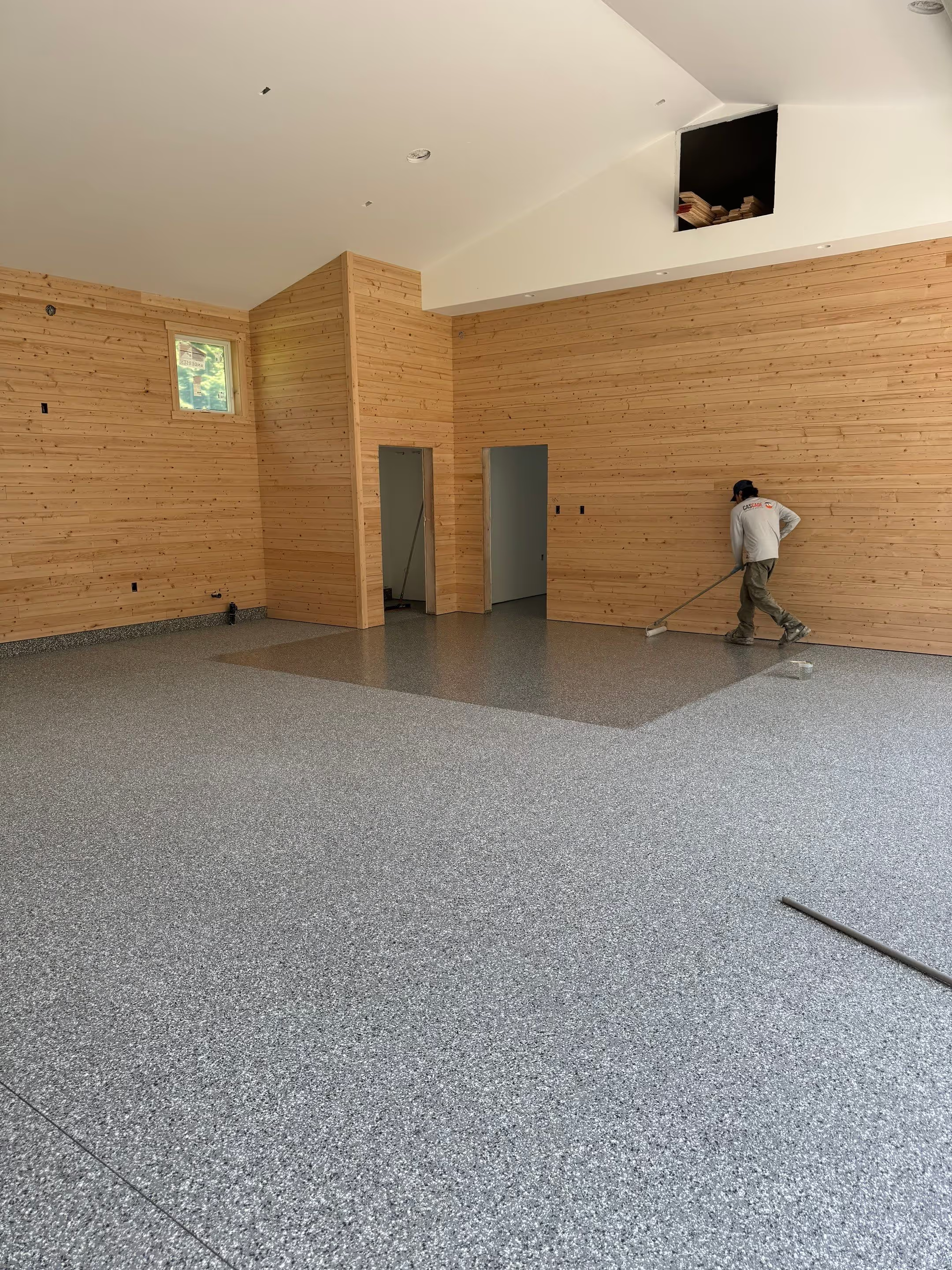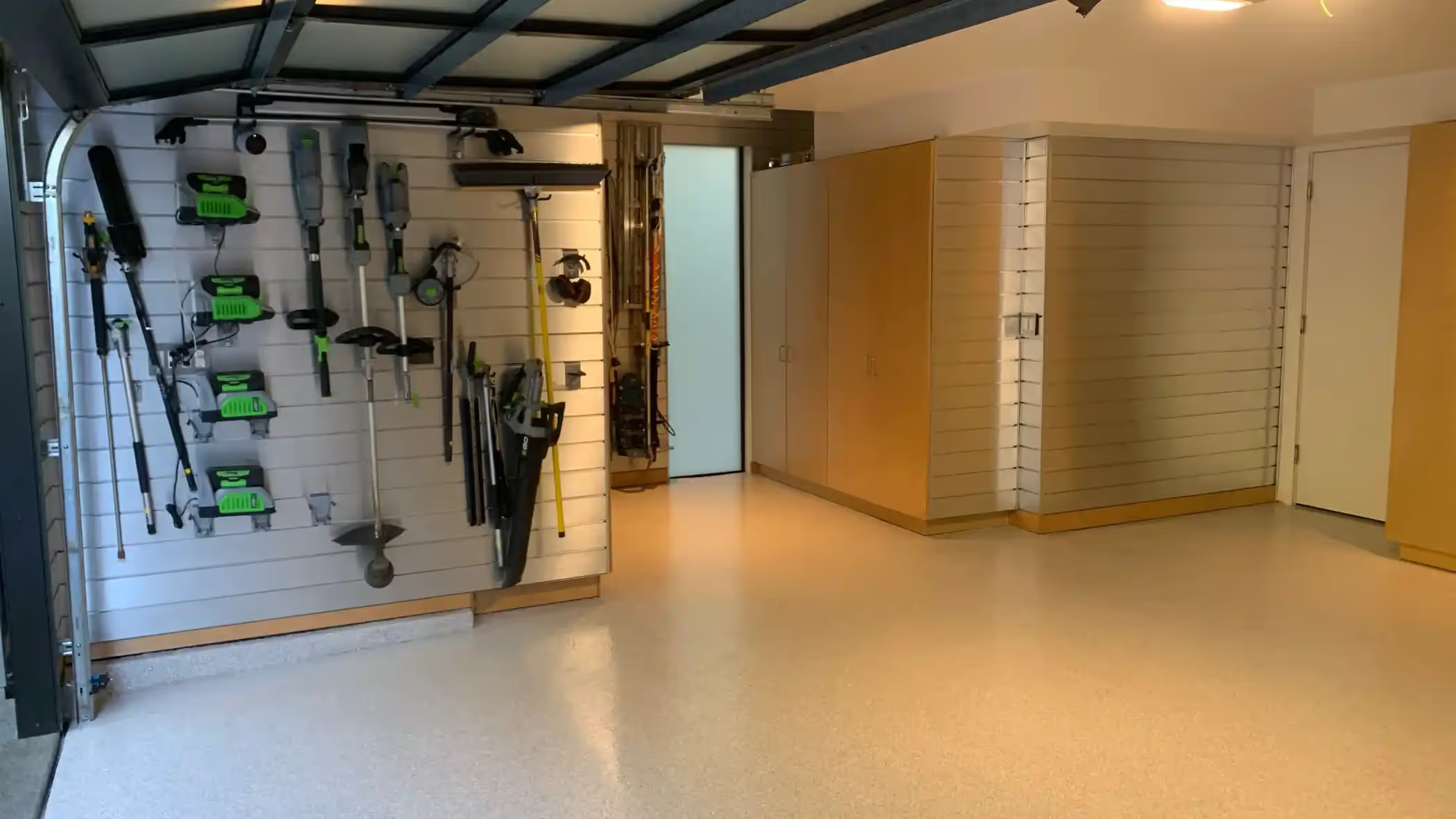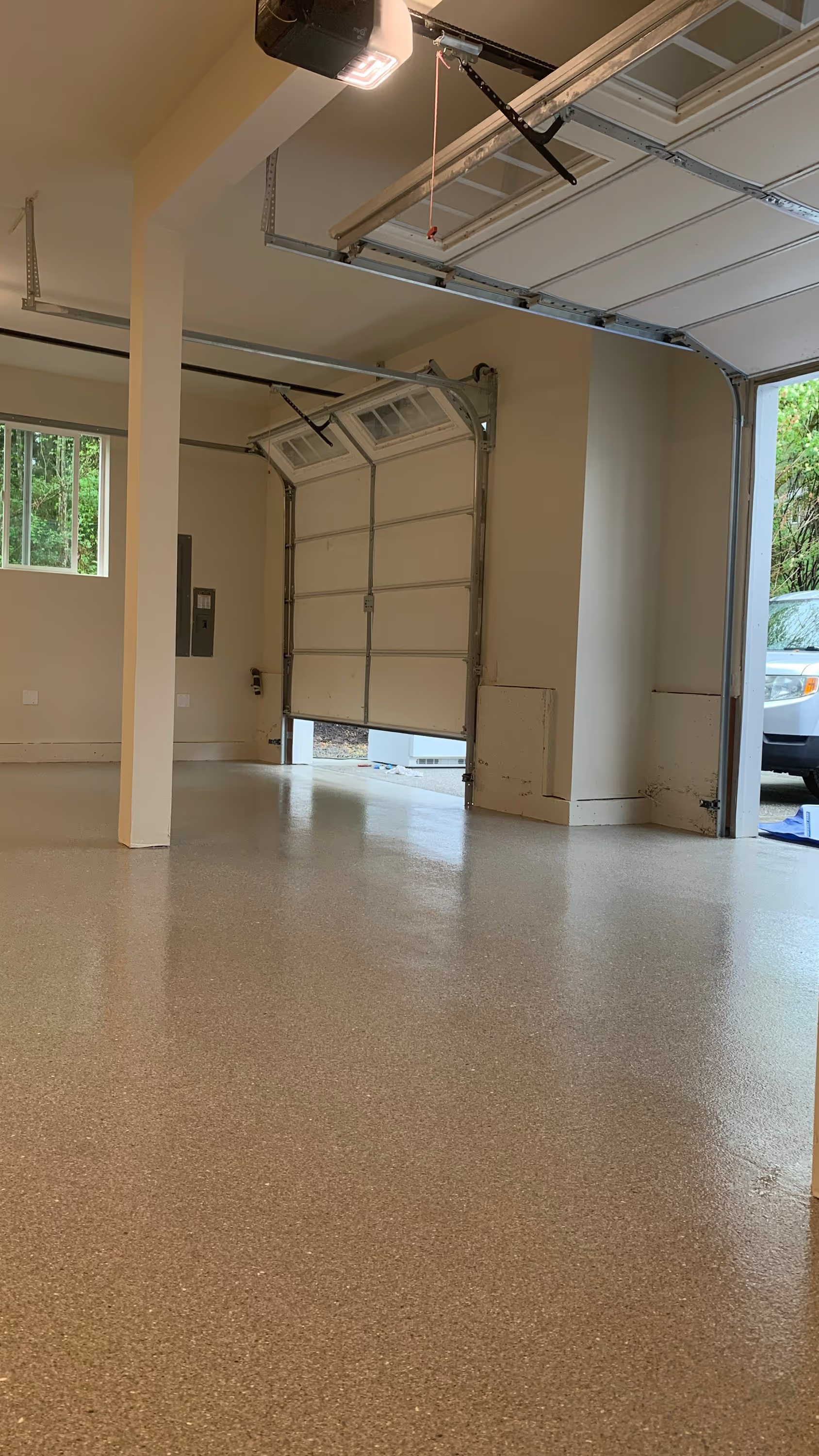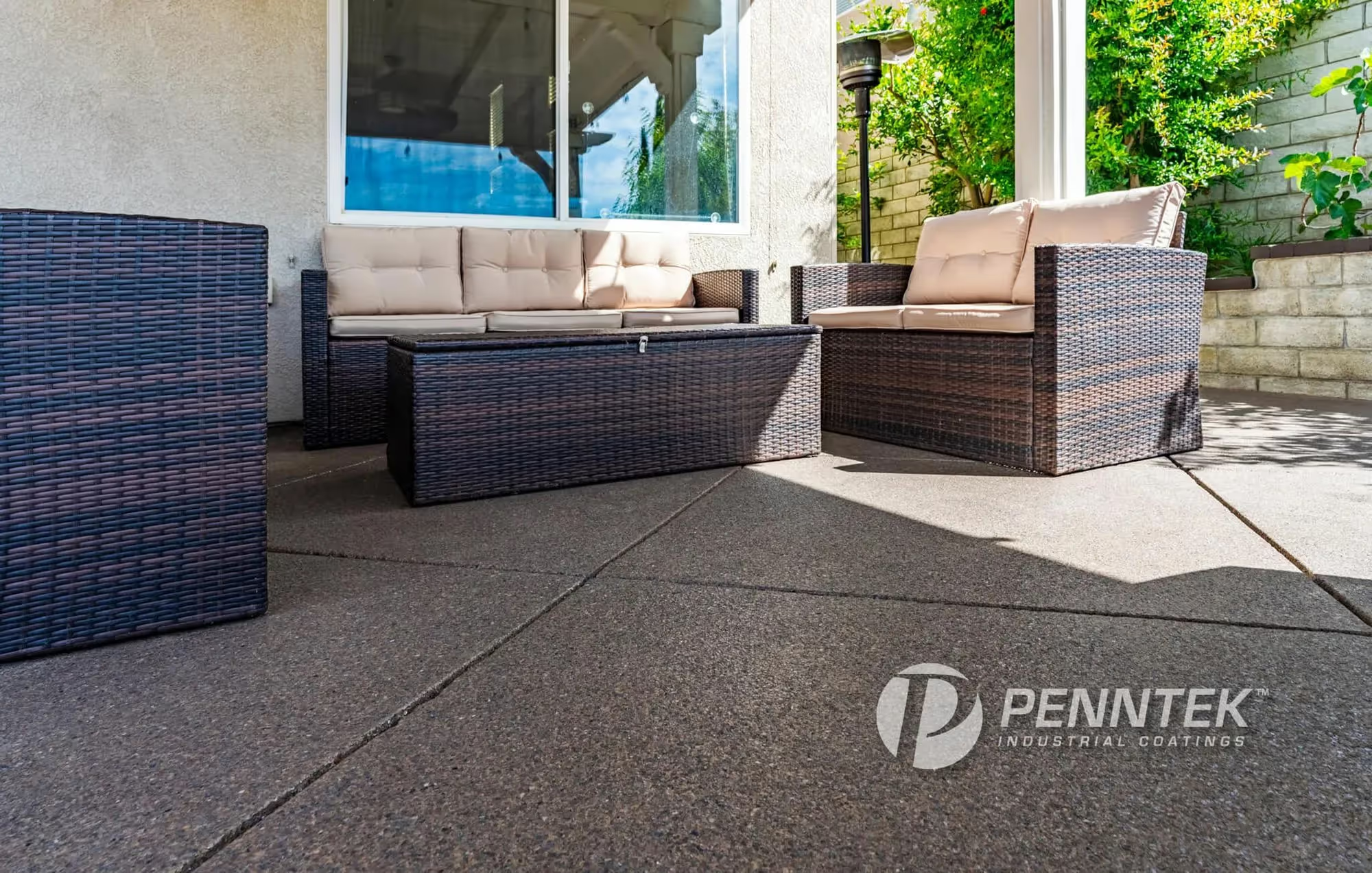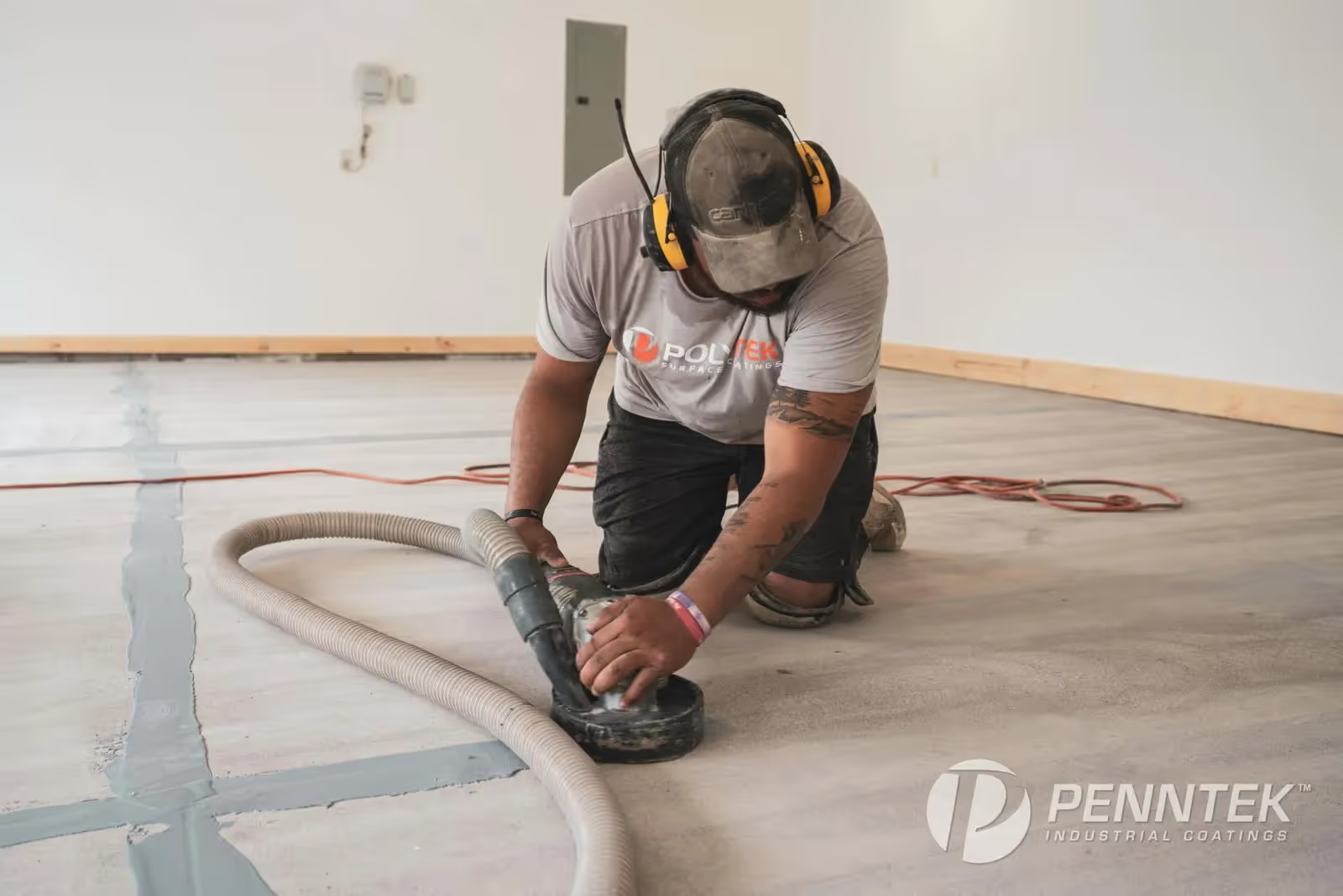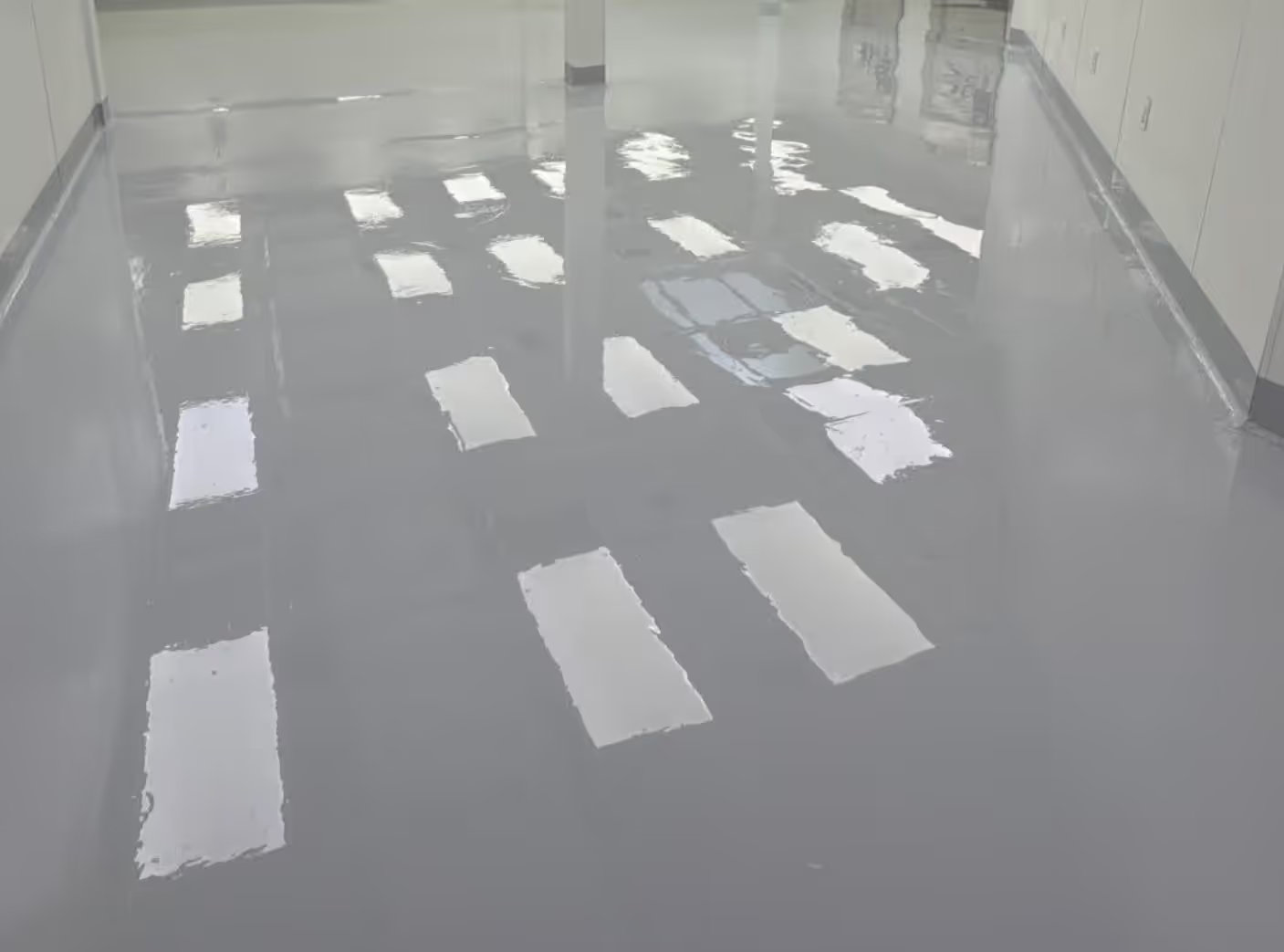
One of the most compelling reasons Seattle homeowners choose Penntek polyurea garage floor coatings is their remarkably low maintenance requirements. Unlike epoxy coatings that demand constant attention to prevent deterioration, or bare concrete that stains permanently and requires aggressive cleaning, professional polyurea systems maintain their appearance with minimal effort. However, "low maintenance" doesn't mean "no maintenance." Understanding how seasonal changes in the Pacific Northwest affect your coated floor—and implementing a simple year-round care routine—ensures your investment maintains its showroom appearance for decades.
Seattle's climate creates unique challenges that don't exist in other regions. The extended wet season from October through May means your garage floor faces months of continuous moisture exposure from vehicles, tracked-in water, and elevated humidity. Summer brings intense UV exposure during long daylight hours, rapid temperature swings, and dry conditions that affect coating performance differently than winter wetness.
Professional Penntek coatings are engineered specifically to handle these conditions, with chemical bonding that resists moisture infiltration, flexibility additives that accommodate temperature-induced expansion and contraction, and FadeLock UV protection that prevents sun damage. Still, proper seasonal maintenance optimizes performance and extends already impressive longevity even further.
Spring represents the transition from Seattle's wet season to drier conditions, making it the ideal time for comprehensive floor maintenance and assessment.
Deep Cleaning After Winter Salt and Grime
Winter brings road salt, de-icing chemicals, and accumulated grime that needs thorough removal as weather improves. These contaminants, while not damaging to properly installed Penntek coatings, can dull appearance if left too long.
Start with a thorough sweep using a soft-bristle broom to remove loose dirt and debris. Follow with mopping using warm water and a pH-neutral cleaner—avoid harsh chemicals or acidic cleaners that, while unable to damage the coating, may leave residues that attract dirt. For stubborn winter grime, use a soft deck brush with your cleaning solution, working in sections to ensure thorough coverage.
The non-porous surface of professional polyurea coatings means contaminants sit on the surface rather than penetrating like they would in concrete. This makes spring cleaning dramatically easier than it would be with bare concrete or compromised epoxy.
Inspect for Winter Damage
Spring is the perfect time to inspect your garage for any moisture-related issues that developed during winter. Walk the perimeter checking for:
While your Penntek coating protects the concrete beneath, addressing these issues prevents larger problems and ensures your garage stays dry year-round.
Check and Clean Drainage Systems
If your garage has floor drains, spring maintenance should include thorough cleaning. Pour water down drains to ensure they're flowing freely—winter debris can clog drains and create standing water problems. For garages without drains, verify that water flows toward the garage door and exits properly.
Organize and Declutter
Spring is traditionally cleaning time, and your garage should be no exception. Remove items that accumulated during winter, reorganize storage, and create a clean slate for summer. A clutter-free garage allows you to see and appreciate your beautiful floor while also allowing proper air circulation that helps manage humidity.
Seattle's summer brings extended daylight, occasional heat waves, and the strongest UV exposure of the year. While FadeLock UV protection prevents the yellowing and fading that destroys unprotected coatings, smart maintenance practices optimize performance.
Regular Sweeping to Prevent Grit Accumulation
Summer activities mean increased foot traffic, bike riding, and outdoor equipment storage that tracks in dirt, grass clippings, and other debris. Sweep weekly during active summer months to prevent this material from scratching the surface when walked on or driven over.
Use a soft-bristle broom or dust mop—stiff bristles aren't necessary given the smooth, non-porous surface. The minimal effort required for sweeping demonstrates one of polyurea coating's major advantages: ease of maintenance compared to bare concrete's porous surface that traps debris.
Address Spills Immediately
Summer projects often involve automotive work, painting, yard equipment maintenance, and other activities that can spill fluids on your garage floor. The chemical-resistant nature of Penntek coatings means most spills cause no permanent damage, but immediate cleanup prevents staining and maintains appearance.
For oil, gasoline, or other automotive fluids: blot excess with paper towels, then clean with degreasing dish soap and water. For paint: wipe wet paint immediately; dried latex paint can be gently scraped with a plastic scraper (never metal, which could scratch). For most other spills: simple soap and water cleanup works perfectly.
The non-porous surface means chemicals don't penetrate—they sit on top where you can easily remove them. This stands in stark contrast to bare concrete or failed epoxy where spills soak in permanently.
Temperature Considerations
Seattle's summer temperatures occasionally reach 85-90°F, which can slightly soften any coating's surface. While this doesn't damage Penntek's engineered formulation, avoid dragging extremely heavy loads across the floor during the hottest part of the day. Roll rather than drag, or wait until cooler evening hours for moving heavy items.
Hot Tire Pickup Prevention
Though rare in Seattle's moderate climate, hot summer days combined with dark-colored vehicles can create "hot tire pickup"—the phenomenon where heat-softened tires leave marks on garage floors. Penntek's formulation resists hot tire pickup far better than epoxy or cheaper polyurea, but allowing vehicles to cool for 10-15 minutes before parking after long drives provides extra protection during heat waves.
UV Awareness
Even with FadeLock protection, minimizing unnecessary UV exposure extends coating life. If you'll be away on vacation with the garage door open for extended periods, consider closing it. While the coating is engineered to handle UV exposure indefinitely, reducing exposure when practical is sensible maintenance.
Fall maintenance focuses on preparing your garage for Seattle's extended rainy season, ensuring water management systems function properly and the floor coating is ready for months of moisture exposure.
Comprehensive Cleaning Before Wet Season
Perform a thorough cleaning before fall rains begin in earnest. This removes summer dust and creates a clean surface ready for wet season challenges. Use a pH-neutral cleaner with warm water, working in sections to ensure thorough coverage.
Pay special attention to areas near the garage door where leaves, dirt, and debris accumulate. These spots are particularly important because they'll be wet frequently during winter, and organic material can decompose and create staining if left indefinitely.
Test Drainage and Water Flow
Before heavy rains arrive, test your garage's water management:
Proper water management prevents the standing water conditions that, while unable to damage properly installed Penntek coatings, can create slipping hazards and promote mildew growth on walls or stored items.
Inspect and Replace Door Seals
Garage door weather stripping deteriorates over time, especially during Seattle's wet winters. Fall is the ideal time to inspect seals and replace worn sections before rains intensify. Proper sealing prevents water from tracking under the door during storms, reducing the amount of moisture your floor must manage.
Organize for Winter
Rearrange garage storage to accommodate winter items: snow shovels, de-icing materials, winter sports equipment. Elevate stored items on shelves or pallets to keep them off the floor where winter moisture might affect them. While your coated floor handles moisture perfectly, cardboard boxes and wood items don't.
Apply Slip-Resistant Treatment (If Needed)
Most Penntek installations include slip-resistant additives in the topcoat, providing excellent traction even when wet. However, if you find certain areas become slippery during wet conditions—perhaps near the entry door where water pools temporarily—consider applying additional traction treatment to those specific spots. Consult with Cascade Concrete Coatings about appropriate products that won't affect your coating's appearance or warranty.
Winter is when Seattle garage floors face their greatest challenges: constant moisture from rain-soaked vehicles, tracked-in water, road salt, and de-icing chemicals. Fortunately, professional polyurea coatings are engineered specifically for these conditions.
Daily or Every-Other-Day Sweeping
During active wet season, sweep your garage floor more frequently—daily if you park wet vehicles regularly, or every other day at minimum. This removes tracked-in water, mud, and debris before it spreads throughout the garage.
Use a push broom or even a floor squeegee to direct water toward the garage door. The non-porous coating surface makes this dramatically easier than it would be with bare concrete that absorbs moisture.
Address Salt and De-Icer Residue
Road salt and de-icing chemicals tracked in from vehicles require more attention than plain water. While these chemicals cannot damage Penntek's chemical-resistant formulation, they leave white residue as moisture evaporates, and they can accelerate corrosion of metal items stored in your garage.
Weekly during winter, mop your garage floor with warm water to dissolve and remove salt residue. No special cleaners are needed—warm water effectively dissolves and removes salt crystals. For stubborn buildup, a solution of one cup white vinegar per gallon of water cuts through salt residue while remaining safe for your coating.
Manage Puddles and Standing Water
After parking wet vehicles, water puddles on the garage floor. While this doesn't damage the coating, it creates slip hazards and tracking issues. Use a floor squeegee or mop to direct water toward the garage door where it can drain. This takes only minutes but prevents water from being tracked throughout the garage as you walk around.
For garages with poor drainage that allows water to pond in low spots, consider placing absorbent mats in these areas to capture water temporarily. Remove and dry these mats regularly to prevent mildew growth.
Prevent Ice Formation
During Seattle's occasional cold snaps, water on your garage floor can freeze, creating dangerous conditions. After particularly wet days when freezing temperatures are forecast, squeegee excess water toward the door. The coating itself isn't affected by freezing, but ice presents safety hazards.
Crack and Joint Monitoring
Winter's temperature fluctuations can cause concrete expansion and contraction. While properly prepared and coated floors handle this movement without cracking, monitor control joints and previous crack repair areas for any changes. Early detection of any issues allows for simple repairs rather than extensive fixes later.
Certain maintenance tasks should occur monthly regardless of season, creating consistent care that maintains your floor's appearance indefinitely.
Monthly Damp Mopping
Once monthly, perform a complete damp mopping of your garage floor using pH-neutral cleaner and warm water. This removes accumulated dust, light grime, and any residues that regular sweeping misses. The process takes 15-20 minutes for an average garage and keeps the floor looking freshly installed.
Inspect for Damage or Issues
Monthly walkthroughs allow you to spot any developing issues:
Early detection of any issues allows for simple fixes rather than expensive repairs later.
Clean Stored Items' Contact Points
Items stored long-term on your garage floor—toolboxes, rolling cabinets, storage bins—can leave marks if not moved occasionally. Monthly, shift these items slightly and clean underneath. While the marks aren't permanent damage and can be cleaned, preventing them is easier than removing them.
Check and Clean Lighting
Clean garage lighting monthly to maintain brightness. Good lighting helps you spot spills, debris, and any floor issues immediately, facilitating better maintenance overall.
The right tools make maintenance easier and protect your investment.
Safe Cleaning Products:
Avoid These Products:
Recommended Tools:
While routine maintenance is simple, certain situations warrant professional attention:
Unusual Discoloration or Changes
If you notice any yellowing, fading, or color changes in your Penntek coating, contact Cascade Concrete Coatings immediately. While extremely rare given FadeLock UV protection and the coating's chemical resistance, any changes should be assessed by professionals.
Bubbling, Blistering, or Delamination
These symptoms indicate coating failure—which should never occur with properly installed Penntek coatings. If you see any signs of the coating separating from the concrete, contact us immediately. Your installation is backed by Penntek's lifetime warranty, and we stand behind our work completely.
Concrete Cracks or Structural Changes
New cracks in the concrete beneath your coating require professional assessment. While the coating's flexibility accommodates minor concrete movement, significant cracking might indicate structural issues needing attention beyond simple coating repair.
Drainage Problems
If water begins pooling where it previously drained properly, or if you notice moisture infiltrating from beneath the floor, professional evaluation is needed. These issues typically relate to exterior drainage rather than coating failure, but they need addressing before they create larger problems.
The minimal maintenance required for professional Penntek garage floor coatings represents significant value compared to alternatives.
Comparison to Bare Concrete:Bare concrete requires pressure washing to remove oil stains, regular sealing to prevent damage, and constant vigilance against permanent staining. Even with aggressive maintenance, bare concrete looks progressively worse over time.
Comparison to Epoxy:DIY epoxy coatings require constant attention to prevent hot tire pickup, they yellow despite maintenance efforts, and they ultimately fail within a few years regardless of how carefully you maintain them.
Penntek Advantage:Simple sweeping, occasional mopping, and immediate spill cleanup keep your floor looking perfect for decades. The time and effort you save in maintenance—plus the elimination of refinishing and replacement costs—justifies the initial investment many times over.
Adapt this general guidance to your specific situation by considering:
Some Seattle homeowners sweep daily and mop weekly, while others sweep weekly and mop monthly. Both approaches work perfectly with Penntek coatings—choose the frequency that maintains the appearance level you prefer.
Your Cascade Concrete Coatings Penntek floor represents a significant investment in your home's functionality and appearance. The simple maintenance routine outlined here—adapted to Pacific Northwest conditions—ensures that investment maintains its beauty and performance for the full 30-40 year lifespan and beyond.
For questions about maintaining your specific floor, or to schedule professional cleaning or inspection, contact Cascade Concrete Coatings. We serve homeowners throughout Bellevue, Kirkland, Redmond, Sammamish, and Bothell with comprehensive support for your professionally installed Penntek coating.
A few minutes of seasonal maintenance ensures your garage floor looks showroom-fresh for decades to come.