Choosing a garage floor coating contractor might seem straightforward—get a few quotes, pick the lowest price, and schedule the work. But at Cascade Concrete Coatings, we regularly work with frustrated Seattle-area homeowners who learned the hard way that all contractors and coating systems are not created equal.
After watching customers replace failed floors installed by unqualified contractors using inferior materials, we've developed a comprehensive list of questions you should ask before hiring anyone to coat your garage floor. These questions separate truly professional installers from the abundance of operators who entered the market to capitalize on high margins but lack the training, equipment, and commitment to quality that determines whether your floor lasts 3 years or 30.
The garage floor coating industry has low barriers to entry. Anyone can buy some epoxy, rent a grinder, and call themselves a concrete coating company. That's why certification and training matter more than you might think.
Why this matters: Reputable coating manufacturers like Penntek require dealers to complete rigorous certification training before they're authorized to install products. This training covers product chemistry and performance characteristics, proper surface preparation techniques, moisture testing and management, application best practices, and troubleshooting common issues.
Certified dealers also receive ongoing support from manufacturers, access to technical resources, and accountability to maintain standards. Uncertified installers using private-label products lack this training, support, and accountability.
What to look for: Ask for proof of certification from the product manufacturer. Cascade Concrete Coatings is certified by Penntek, which means our team has completed comprehensive training at Penntek headquarters and maintains certification through ongoing education.
Red flags: Vague responses like "We've been doing this for years" without specific certification credentials, inability to name the specific manufacturer or product line they're certified with, or use of generic or private-label products without manufacturer certification programs.
Why this matters: The Association for Materials Protection and Performance (AMPP, formerly NACE) offers Coatings Inspector Certification that represents the industry gold standard for protective coating installation. This certification demonstrates understanding of coating selection and specification, surface preparation standards (including ICRI CSP profiles), application techniques and quality control, and inspection and testing methodologies.
Penntek's technical support team has completed AMPP certification, and this expertise flows through to certified dealers like Cascade Concrete Coatings.
What to look for: Ask if the company's technical leadership or installation supervisors have AMPP/NACE credentials. While not every installer on the team needs this certification, having AMPP-certified leadership ensures installations follow industry best practices.
Red flags: Never having heard of AMPP/NACE despite claiming professional expertise, dismissing certification as "just paperwork" rather than recognizing its technical value.
Surface preparation determines 80% of coating success. The most advanced coating chemistry can't overcome inadequate surface prep. That's why the equipment and process used for preparation matter enormously.
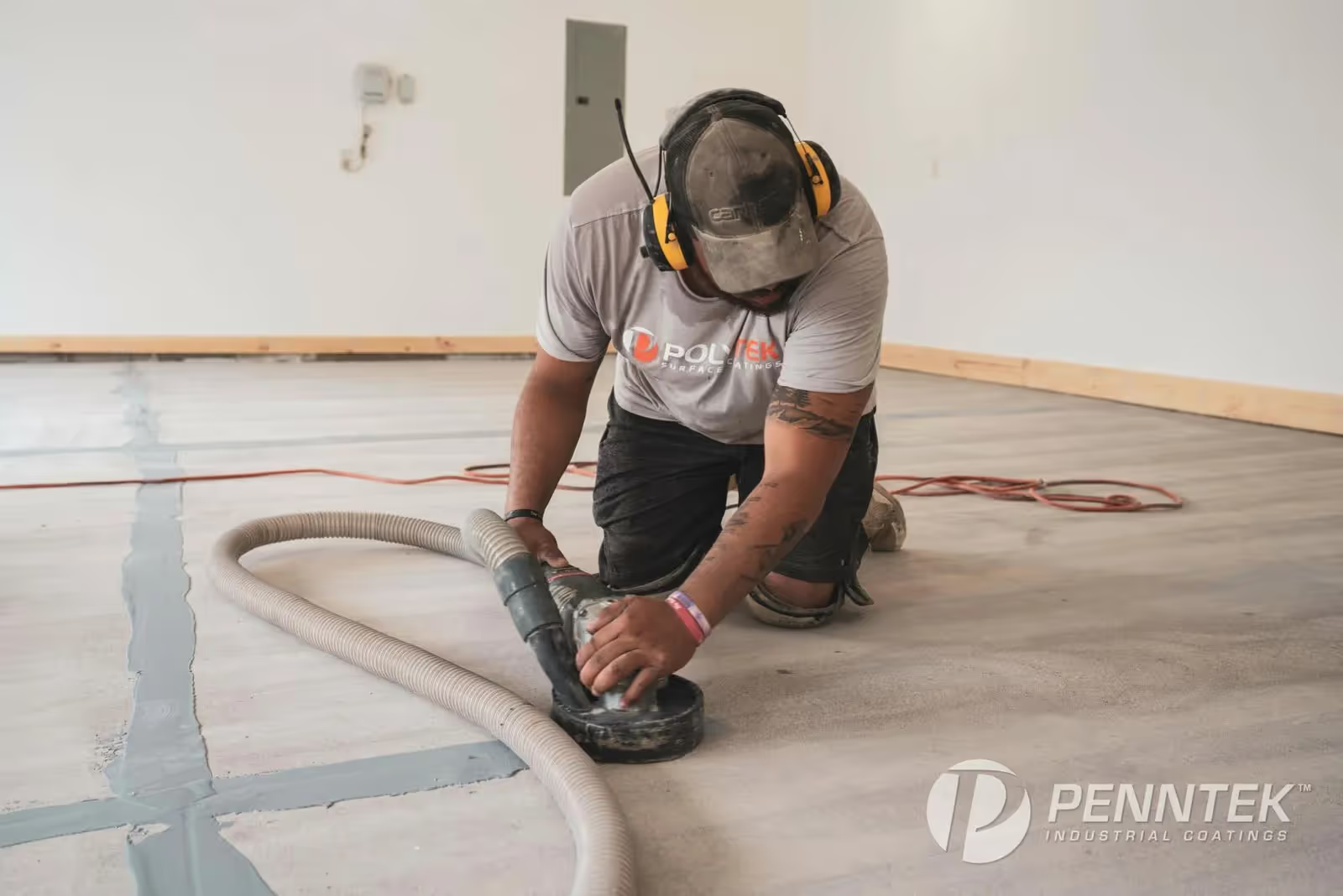
Why this matters: Proper concrete profiling requires heavy, professional-grade equipment. At Cascade Concrete Coatings, we use 600+ pound grinders with high-quality diamond tooling because lighter equipment simply cannot generate the pressure needed to achieve proper ICRI Concrete Surface Profile standards.
According to the International Concrete Repair Institute (ICRI), different coatings require specific surface profiles for optimal adhesion. Achieving these profiles requires industrial equipment, not the lightweight grinders available at rental stores.
What to look for: Professional installers should specify equipment weight (at least 400-600 pounds for residential work), mention diamond tooling (not just "grinding discs"), discuss ICRI CSP standards and target profiles, and explain how they adjust preparation based on concrete hardness.
Red flags: Inability to specify equipment specifications or weight, mention of "floor buffers" or lightweight equipment, no discussion of surface profile standards or testing, or claims that preparation "doesn't matter that much."
Why this matters: Concrete grinding generates enormous amounts of silica dust that poses health risks and creates cleanup nightmares. Professional contractors use industrial vacuum systems to contain dust during the process.
Beyond health and cleanliness, dust contamination of the prepared surface can compromise coating adhesion. Microscopic dust particles left on concrete prevent proper bonding.
What to look for: Discussion of HEPA-filtered vacuum systems integrated with grinders, explanation of containment procedures to protect your home, and commitment to thorough cleaning after preparation.
Red flags: No mention of dust control systems, suggestion that "we'll lay down plastic and clean up afterward" (this doesn't prevent dust generation), or dismissal of dust as "just part of the process."
Why this matters: This is an expert-level question that separates professional installers from amateurs. ICRI defines standardized surface profiles (CSP-1 through CSP-9) that describe concrete texture after preparation. Different coatings require different profiles for optimal adhesion.
Penntek polyurea systems typically require CSP-2 to CSP-3 profiles, which create the proper mechanical anchor pattern without excessive roughness. Achieving and verifying this profile requires knowledge, proper equipment, and quality control.
What to look for: Specific mention of target CSP standards for their coating system, explanation of how they verify profile achievement (visual comparison to ICRI chips or replica tape), and discussion of how they adjust preparation based on concrete hardness and condition.
Red flags: No knowledge of ICRI CSP standards, vague responses about "making it rough enough," or inability to explain how they verify proper preparation.
Not all polyurea is created equal, and the difference between pure Penntek formulations and "stretched" or private-label products determines whether your floor lasts decades or years.
Why this matters: Solids content refers to the percentage of coating that remains after application and curing. Water-based epoxies typically contain 50-70% solids, with the remainder being water carriers and volatile organic compounds (VOCs) that evaporate.
Penntek's pure polyurea systems feature 99% solids—what you apply is what stays on your floor. This means thicker final coating, no shrinkage from carrier evaporation, minimal VOCs, and maximum durability.
What to look for: Specific solids content percentages (look for 95%+ for polyurea, 90%+ for polyaspartic topcoats), explanation of why high solids content matters, and willingness to provide product data sheets showing specifications.
Red flags: Inability to specify solids content, evasive responses about "proprietary formulations," or claims that solids content "doesn't matter" (it absolutely does).
Why this matters: To increase profit margins, some installers "stretch" polyurea by adding fillers, extenders, or lower-grade resins. This reduces material costs but also reduces durability, flexibility, adhesion, and UV stability.
Penntek certified dealers like Cascade Concrete Coatings are contractually prohibited from altering or extending Penntek products. What Penntek's chemists formulated in the lab is exactly what goes on your floor.
What to look for: Clear statement that they use pure, unmodified manufacturer formulations, explanation of quality control measures to prevent contamination or alteration, and willingness to provide manufacturer documentation of product specifications.
Red flags: Vague responses about "custom formulations" without manufacturer backing, inability to provide product data sheets or specifications, or defensive reactions to questions about product purity.
Why this matters: UV exposure causes many coatings to yellow, amber, or fade over time. This is especially noticeable in garages with windows or doors that remain open during the day.
Penntek's FadeLock technology is a proprietary UV stabilizer that prevents this degradation. In accelerated weathering tests, Penntek coatings show zero color change after extensive UV exposure, while standard products show significant ambering.
What to look for: Specific mention of UV protection technology (Penntek's FadeLock or equivalent from reputable manufacturers), explanation of how UV protection prevents yellowing and fading, and willingness to discuss or demonstrate UV resistance testing results.
Red flags: No mention of UV protection, claims that "coatings don't need UV protection indoors" (garages receive significant UV exposure), or inability to explain how their product handles UV exposure.
How a contractor approaches your project reveals their professionalism and commitment to quality versus their focus on maximizing throughput.
Why this matters: Quality installations require adequate time for each step. Penntek installations typically complete in one day, but this is possible because of efficient professional equipment, properly sized crews, and streamlined but not rushed processes.
Be wary of installers who promise extremely fast completion (4-6 hours for a two-car garage) or extremely long processes (3-4 days) as both suggest potential issues.
What to look for: Realistic timeline of 1-2 days for typical residential garage, explanation of factors that might extend timeline (extensive repairs, unusual conditions), and clear communication about when you can use your garage again.
Red flags: Unrealistic speed promises suggesting rushed work, inability to provide clear timeline, or vague responses about "it depends."
Why this matters: Every crack, pit, or damaged area is a potential failure point for your coating. Professional installers meticulously identify and repair all imperfections before coating.
At Cascade Concrete Coatings, we use Penntek Mender HD, a rapid-cure polyurea repair system specifically designed for crack and damage repair. This system cures quickly (ready to coat in 30 minutes) and bonds permanently with the Penntek coating system.
What to look for: Detailed explanation of crack and damage repair process, mention of specialized repair materials compatible with coating system, and discussion of how they identify all areas needing repair (not just obvious cracks).
Red flags: Dismissal of repairs as "not usually necessary," extra charges for crack repair (this should be included in assessment and quote), or suggestion that coating will "fill in" small cracks (it won't, and cracks will telegraph through).
Why this matters: All coating systems have temperature and humidity parameters for successful installation. Installing outside these parameters can cause application problems, extended cure times, or complete coating failure.
In Seattle's variable weather, temperature and humidity management requires planning and sometimes rescheduling.
What to look for: Awareness of manufacturer specifications for temperature and humidity, discussion of how they monitor conditions during installation, and willingness to reschedule if conditions aren't optimal.
Red flags: No mention of environmental conditions, claims that their product works "in any weather," or pressure to proceed despite poor conditions.
A warranty is only as good as the company and manufacturer standing behind it. Understanding warranty terms and backing reveals whether you're getting genuine protection or empty promises.
Why this matters: Contractor-only warranties become worthless if the company goes out of business. Manufacturer-backed warranties provide protection regardless of contractor status.
Penntek offers a lifetime manufacturer warranty on materials and installation when installed by certified dealers following proper protocols. This warranty is transferable to future homeowners, adding value if you sell.
What to look for: Specific warranty terms and duration (lifetime for Penntek systems), clarification of what's covered (materials, installation, both), manufacturer backing, not just contractor promise, and transferability to future homeowners.
Red flags: Short warranties (1-3 years suggest expected failure), vague warranty terms without written documentation, contractor-only warranty without manufacturer backing, or reluctance to provide warranty details before signing.
Why this matters: Understanding exclusions prevents surprise disappointments if issues arise. All warranties have exclusions, and reputable contractors explain them upfront.
What to look for: Clear explanation of reasonable exclusions (abuse, chemical damage beyond normal use, modifications by others), discussion of maintenance requirements to maintain warranty, and written warranty document you can review before signing.
Red flags: Excessive exclusions that might void warranty, inability to provide written warranty terms, or evasive responses about coverage limitations.
Past performance predicts future results. A contractor's track record in your area provides valuable insight into expected results.
Why this matters: Local experience matters because Seattle's climate presents specific challenges. Contractors with extensive Seattle-area experience understand moisture management, temperature considerations, and seasonal factors that affect coating performance.
Cascade Concrete Coatings has installed hundreds of Penntek floors throughout Seattle, Bellevue, Woodinville, Redmond, Kirkland, Sammamish, Bothell, and Issaquah.
What to look for: Substantial local project history (dozens to hundreds of installations), ability to provide examples of projects in your specific area, and discussion of how they handle Seattle-specific challenges.
Red flags: Limited local experience despite claims of expertise, inability to provide local project examples, or recent entry into the market without established track record.
Why this matters: Speaking with past customers reveals how projects actually went, whether the contractor communicated well and delivered as promised, and how floors are performing months or years after installation.
What to look for: Willingness to provide multiple recent references (3-5 customers), inclusion of projects from various timeframes (recent and 2-5 years old) to assess long-term performance, and encouragement to contact references with detailed questions.
Red flags: Inability or reluctance to provide references, only providing very recent projects (can't assess long-term performance), or defensive reactions to reference requests.
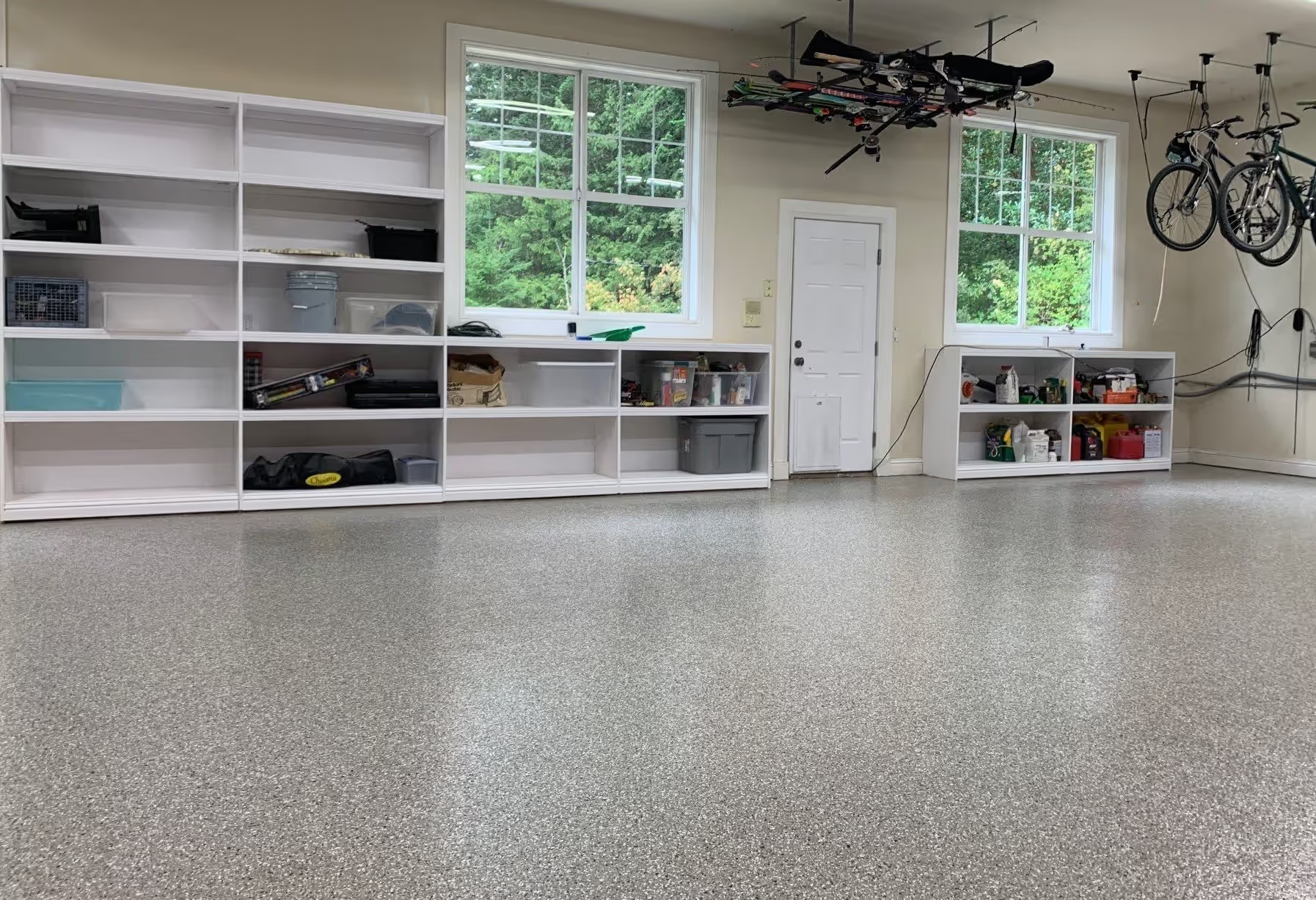
Why this matters: Quality craftsmanship is visible in the details. Examining completed projects reveals attention to edge work and transitions, consistency of chip distribution, smoothness of topcoat, and overall finish quality.
What to look for: Extensive portfolio of completed projects (Cascade maintains a comprehensive portfolio gallery), willingness to arrange visits to completed projects if desired, and pride in showcasing their work.
Red flags: Limited or no portfolio of completed work, reluctance to show examples, or photos that show quality issues even in their "best" examples.
Understanding what you're actually paying for helps you compare quotes meaningfully rather than just selecting the lowest price.
Why this matters: Vague quotes lead to surprise charges and disputes. Professional contractors provide detailed breakdowns showing surface preparation, crack and damage repair, coating materials (basecoat, chips, topcoat), labor, and warranty coverage.
What to look for: Itemized quote showing all components, clear explanation of what each item includes, and transparency about what might trigger additional charges.
Red flags: Vague lump-sum quotes without detail, reluctance to explain pricing components, or discovery of "hidden" charges after work begins.
Why this matters: A contractor confident in their value proposition can explain their pricing relative to market rates. Premium pricing should reflect premium materials, professional equipment, certified training, and comprehensive warranty.
At Cascade Concrete Coatings, we're typically not the cheapest option because we use pure Penntek materials, professional-grade equipment, and certified installation teams. But we provide transparent information about why this investment delivers 5x longer lifespan and far superior performance.
What to look for: Honest discussion of pricing position (premium, mid-range, budget), clear explanation of value delivered at their price point, and transparency rather than evasiveness about pricing.
Red flags: Claims to be "the best" at the lowest price (someone's not being honest), inability to explain pricing rationale, or pressure tactics suggesting "deal" expires if you don't sign immediately.
After asking all the technical questions, there's one final question that often reveals more than everything else combined:
Why this matters: This question cuts through sales pitches to reveal what the contractor genuinely believes delivers the best value. Honest professionals will acknowledge when their premium option genuinely is worth the investment versus when a mid-tier option might suffice.
At Cascade Concrete Coatings, our answer is always honest: we would choose the same Penntek system we're recommending because we understand the lifetime cost math and want floors we'll never need to replace.
What to look for: Genuine, thoughtful response reflecting their own values and priorities, willingness to match recommendation to your specific needs and budget, and enthusiasm for the products and services they offer.
Red flags: Different recommendation for themselves than for you, inability to answer or evasive response, or sales-focused response that doesn't address the question honestly.
Choosing a garage floor coating contractor shouldn't feel like gambling. By asking these questions and carefully evaluating responses, you can confidently select an installer who delivers lasting quality rather than quick profits.
At Cascade Concrete Coatings, we welcome detailed questions because educated customers make the best decisions and become the most satisfied clients. We're committed to transparent information about our processes, materials, pricing, and performance expectations.
Ready to have these conversations with a contractor who welcomes your questions? Learn more about our certified Penntek installation process, review common mistakes to avoid when choosing a contractor, or contact Cascade Concrete Coatings for a consultation where we'll answer every question you have—and probably some you haven't thought of yet.
Your garage floor is a significant investment. Make sure you're working with a contractor who earns your confidence through expertise, transparency, and commitment to quality that lasts decades, not just years.