The phrase "one-day garage floor coating" has become almost universal in the industry, used by everyone from budget roll-on epoxy companies to premium certified polyurea installers. When nearly everyone makes the same claim, the claim stops meaning much. What actually determines whether a one-day installation is worth your money isn't the timeline — it's the system behind it.
This article breaks down what one-day garage floor coating actually means, why some one-day systems are the best investment available and others are a setup for disappointment, and what Kirkland homeowners specifically should look for before hiring anyone.
One-day floor coating refers to the installation timeline: your garage floor is coated and walkable within a single workday, typically 6 to 8 hours. You move your cars and belongings out in the morning, the crew arrives, and by late afternoon the coating is down and curing. Most systems are vehicle-ready within 24 hours.
This timeline is possible because modern polyurea and polyaspartic coatings cure significantly faster than traditional epoxy. Epoxy requires a longer curing window between the base coat and topcoat — often overnight — which is why some companies position their two-day process as superior. The honest counter to that positioning: the cure time difference isn't a performance difference. Polyurea's faster cure is a property of the chemistry, not a shortcut. The molecular bond it forms with concrete doesn't require extended time to develop. What it requires is proper surface preparation and the right atmospheric conditions during application.
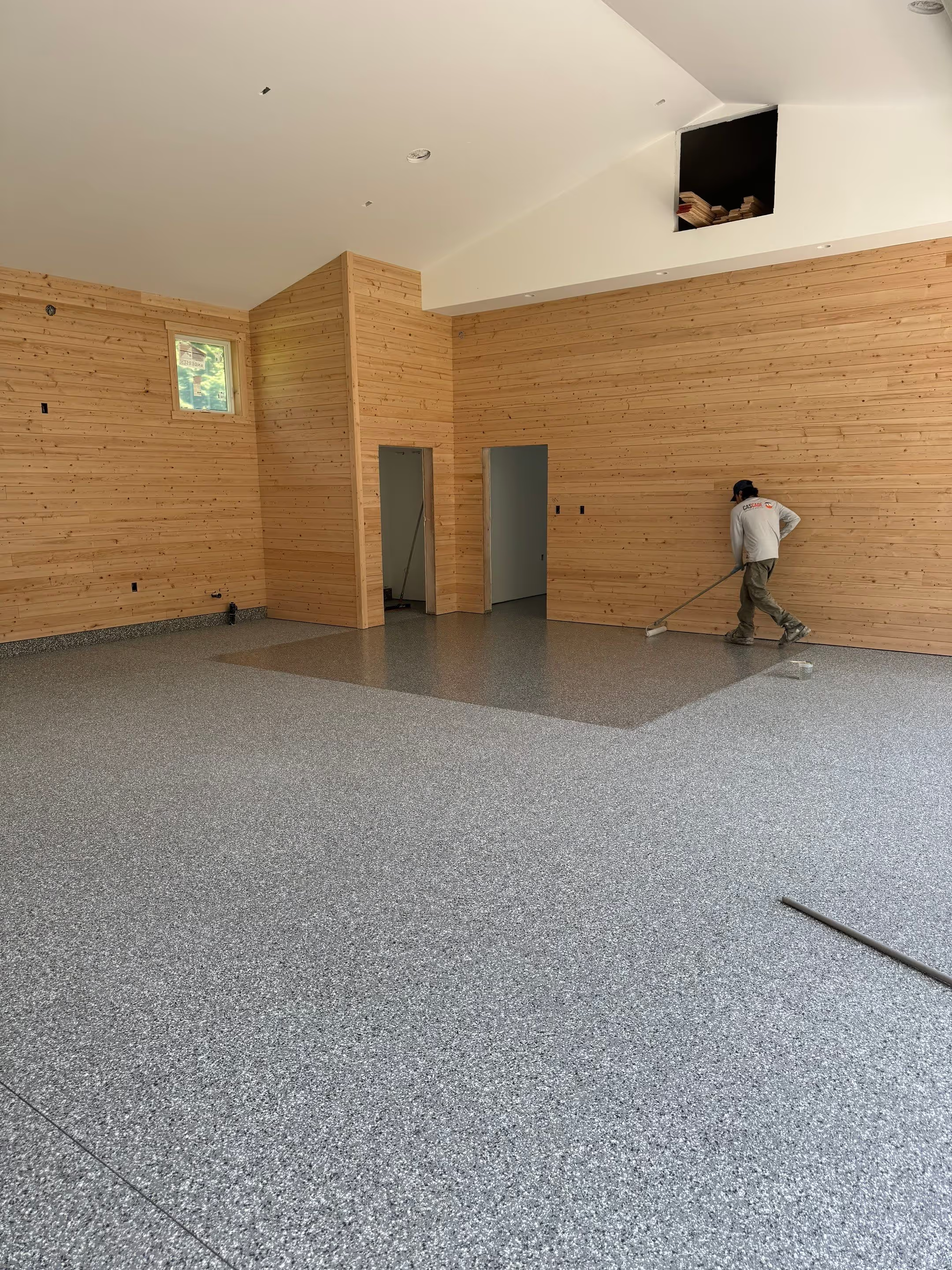
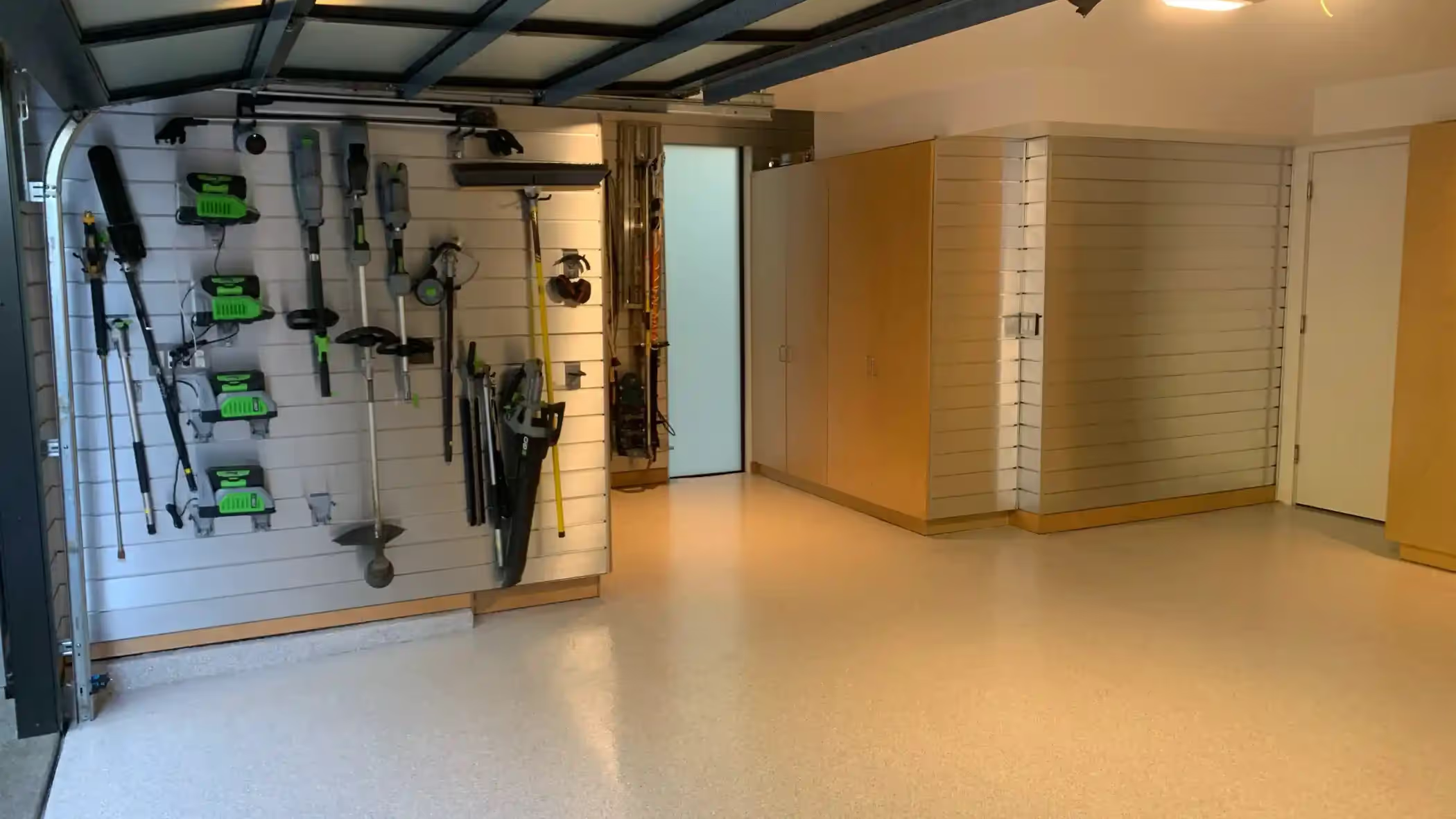
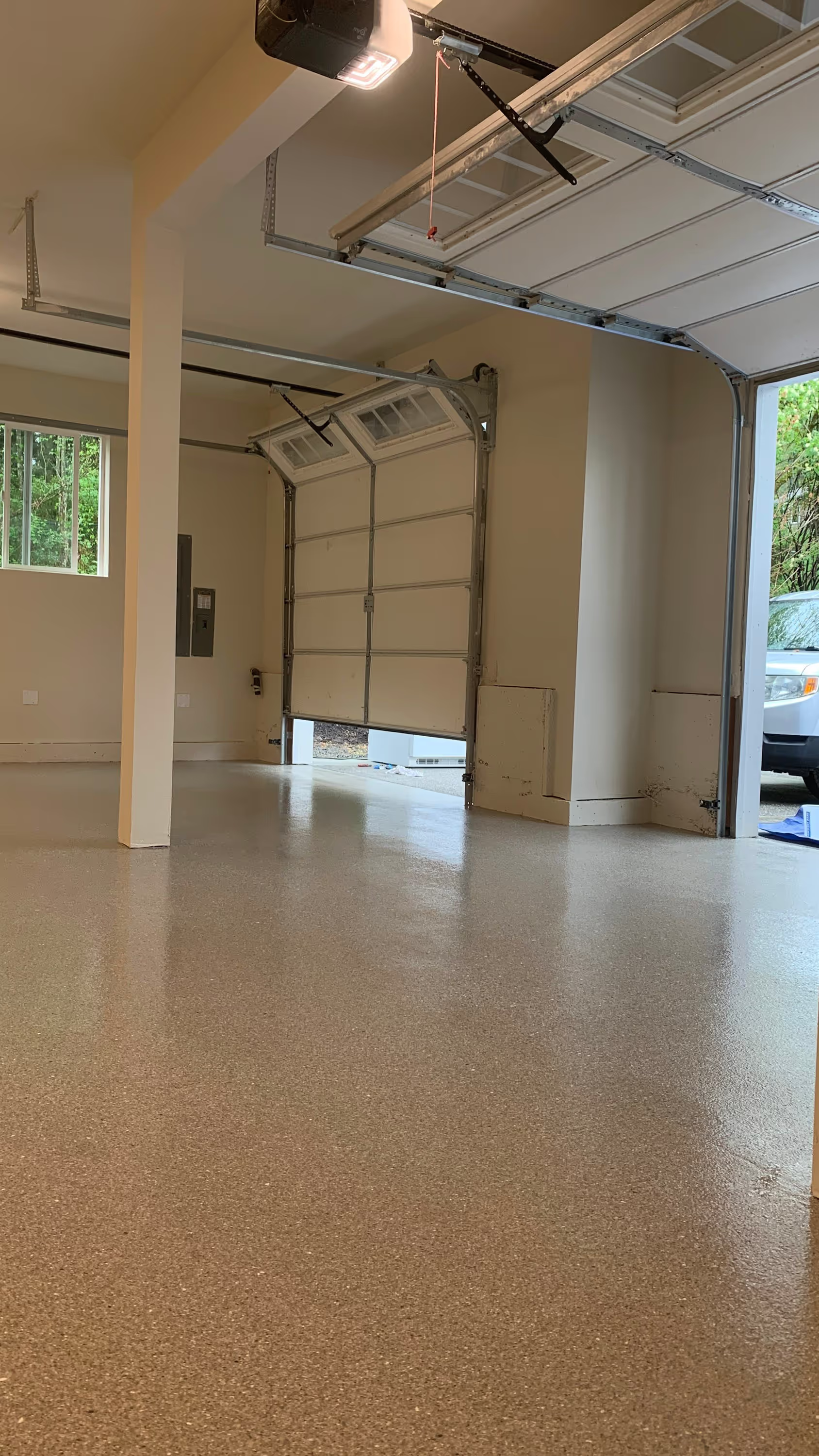
One-day does not mean rush job. It means the right chemistry applied by a trained crew on a properly prepared substrate. When those conditions are met, a one-day installation produces a floor that outlasts multi-day epoxy systems by decades. When those conditions aren't met, a one-day installation fails in 18 months regardless of how long it took to apply. Our Kirkland project portfolio shows what proper one-day installation looks like in finished form.
The failures attributed to one-day floor coatings almost always trace back to one of three causes, none of which are inherent to the one-day process.
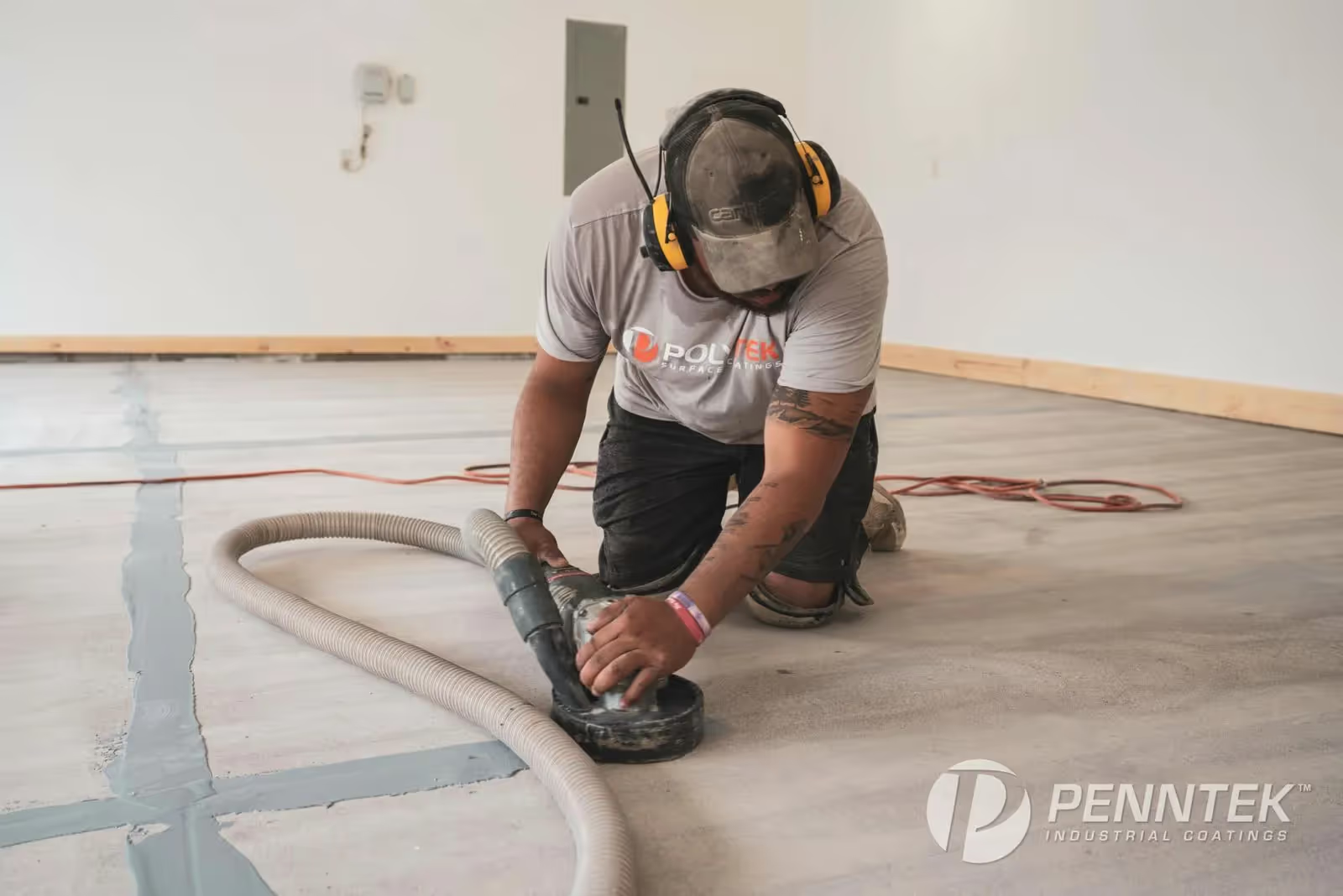
Inadequate surface preparation. Grinding is time-intensive. A crew trying to do five jobs a week has an incentive to rush the prep to make scheduling work. When the surface isn't properly profiled with commercial-grade diamond equipment, the coating doesn't penetrate the concrete — it sits on top of it. That sitting-on-top bond fails under moisture pressure, hot tire contact, and temperature-driven concrete movement. The Kirkland and Eastside market has active, competitive companies that are managing high job volumes. Asking any installer specifically about their grinding equipment and prep protocol is how you find out whether they're one of the ones cutting corners.
Cheap or diluted polyurea product. Polyurea quality varies dramatically. Some installers use bulk-purchased formulations that have been stretched with fillers to reduce material cost. These products look identical to premium formulations on installation day. They start showing their problems — fading, softening, surface degradation — within 24 to 36 months. The only way to verify the product's quality is to know who manufactured it and whether that manufacturer independently certifies and vets the dealers who install it.
Missing moisture testing. Kirkland sits in a rain shadow influenced by Puget Sound and the Cascades. Ground moisture in residential slabs throughout the Eastside varies significantly by neighborhood, lot elevation, and construction era. A coating applied without moisture testing over a high-moisture slab will delaminate regardless of how good the product is. This is the most preventable cause of failure and the most commonly skipped step among budget installers.
Our blog on why coatings fail covers the moisture piece in detail. Our Kirkland service page explains how we approach Kirkland-area projects specifically.
A one-day garage floor coating is worth every dollar when it delivers a floor that lasts 20 to 40 years without needing to be redone. The math is simple: even a premium one-day installation at $4 to $6 per square foot costs less over 30 years than two mid-range installations that each last 10 to 12 years — when you factor in the labor of moving everything out twice, the inconvenience, and the labor cost of the second installation.
The system that justifies the investment combines four things:
Commercial-grade diamond grinding that opens the concrete's pores and creates a bonding profile — not a light sanding pass that leaves the surface visually clean but structurally unprepared.
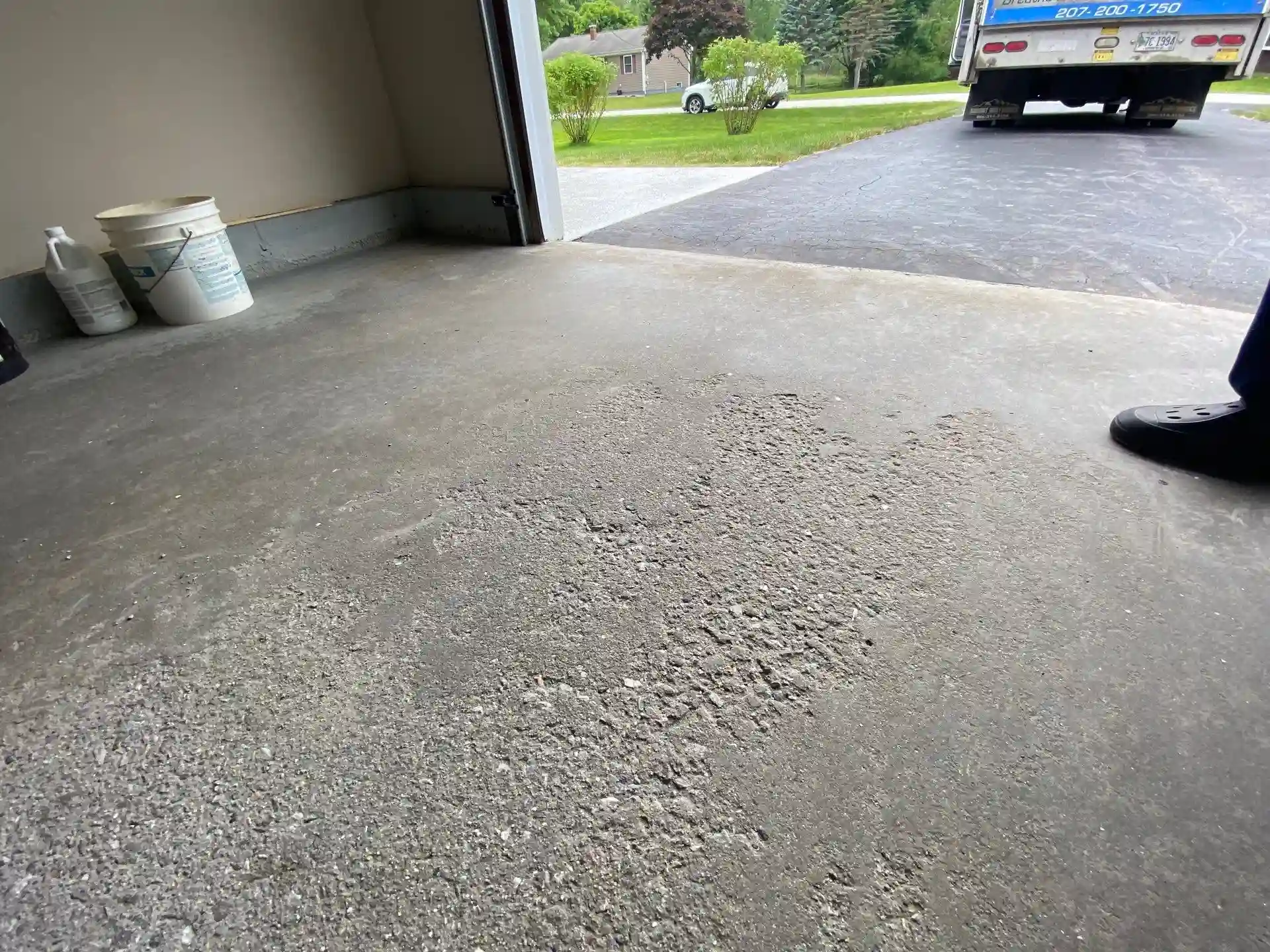
Polyurea crack filler on every crack and damaged area before any base coat touches the slab — not troweled-in epoxy paste that cracks again when the concrete moves.
A certified polyurea base coat that forms a chemical bond with the concrete rather than sitting on top of it — specifically from a manufacturer that vets and trains the installers who use its products.
A UV-stable polyaspartic topcoat that won't yellow, fade, or lose surface integrity over years of exposure to the sunlight that comes through your garage door.
That's the Cascade Concrete Coatings system. We install certified Penntek polyurea and we back every installation with a manufacturer-supported limited lifetime warranty from Penntek directly. You can see our Kirkland, Redmond, and Bellevue project galleries to evaluate the quality of the finished work.
When you're comparing estimates for a garage floor coating in Kirkland, evaluate each quote on these five criteria before you compare prices.
Does the quote include moisture testing and a site-specific system recommendation, or is it based on square footage alone?
What grinding equipment does the installer use, and how long do they allocate for surface preparation?
Who manufactures the coating product, and does that manufacturer independently certify its dealers?
Is the warranty backed by the installer, the manufacturer, or both?
Can the installer show you completed projects in Kirkland or the Eastside that are more than three years old?
An installer who can answer all five questions specifically and in writing is worth a premium price. An installer who gives vague answers to two or more of them is offering you a gamble at a discount. Our free in-home consultation answers all five for your specific floor before you make any commitment.
We serve Kirkland, Redmond, Bellevue, Woodinville, Bothell, Sammamish, and the broader Eastside. Contact us to schedule a free in-home analysis — same-day response, no pressure, no obligation to book.