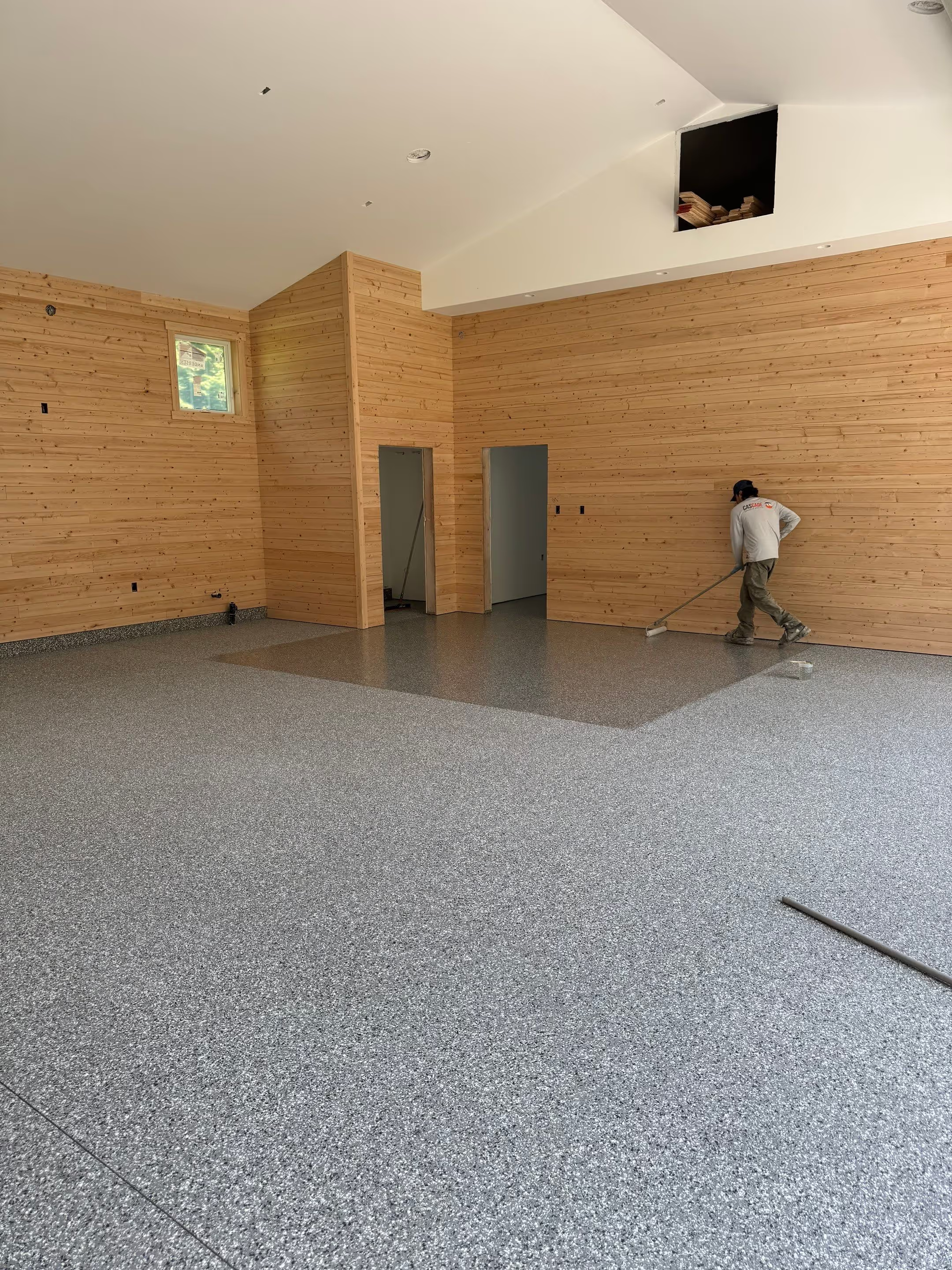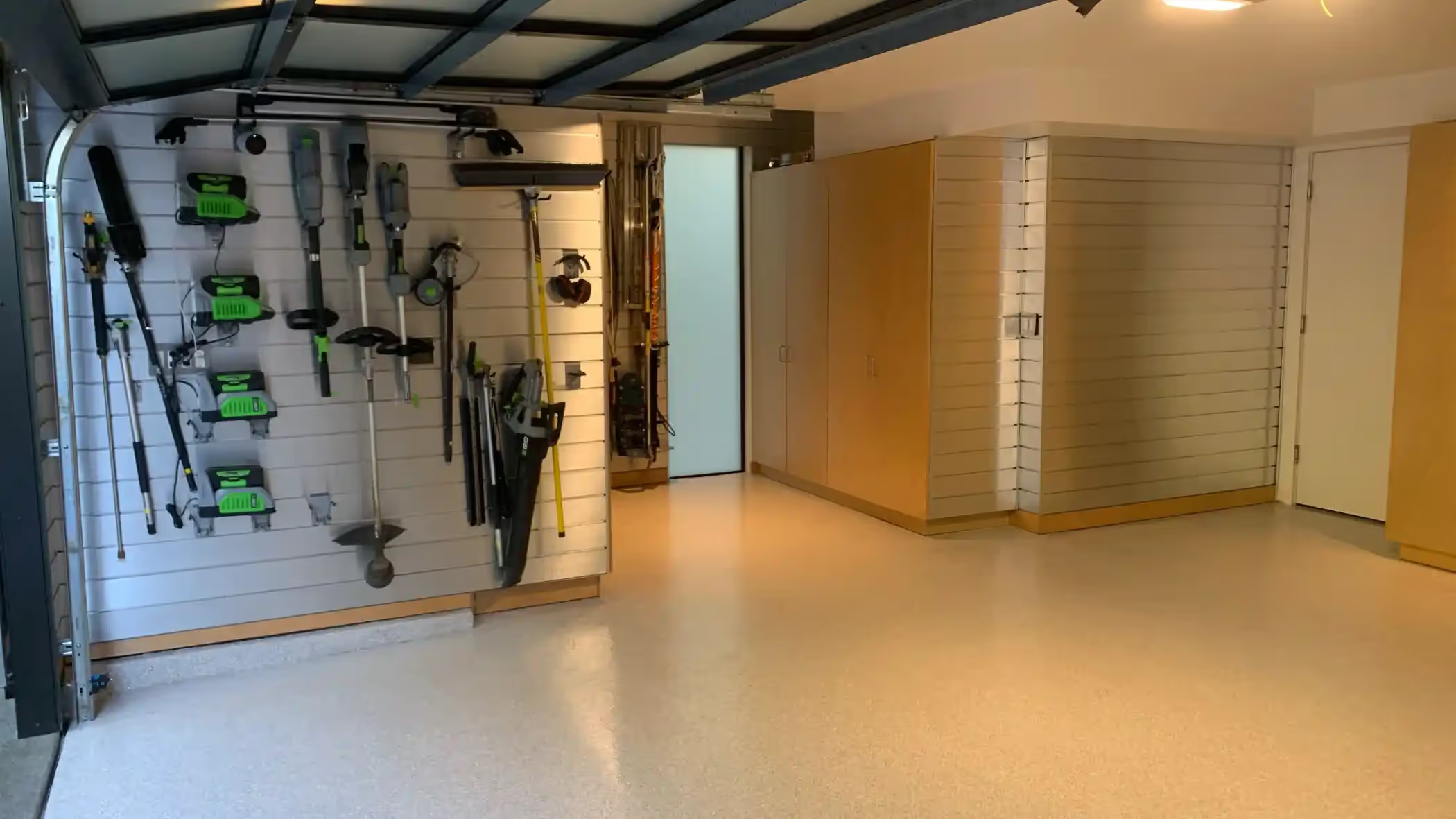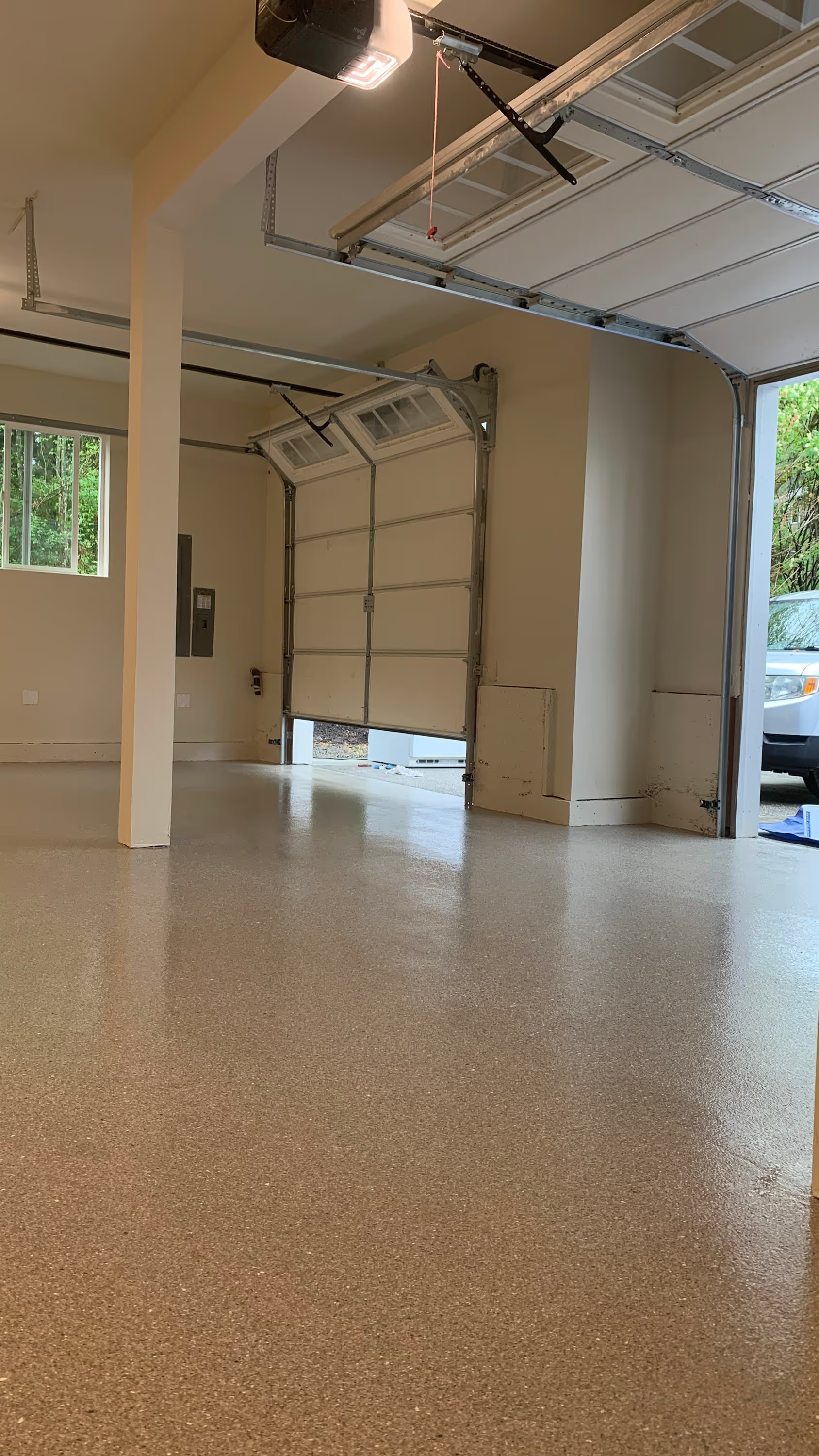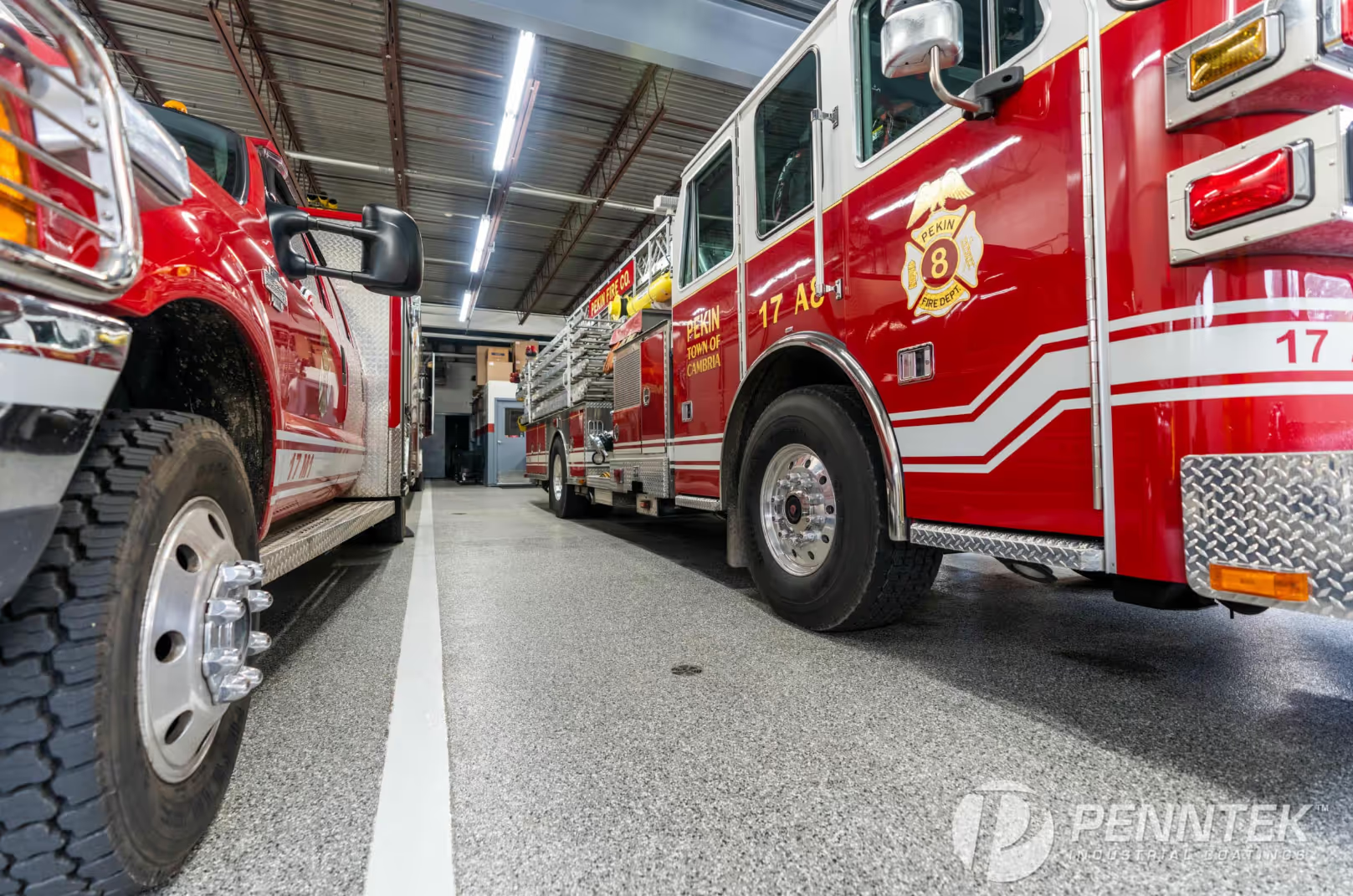
If you're researching garage floor coatings in Seattle, Bellevue, or anywhere in the Puget Sound region, you've probably noticed that every contractor claims to offer "the best" solution. Some push epoxy as the proven standard. Others promote polyaspartic or polyurea as the premium alternative. So what's the real difference, and why does it matter for your Pacific Northwest garage?
At Cascade Concrete Coatings, we specialize in Penntek pure polyurea systems specifically because of how they perform in Seattle's unique climate conditions. After installing hundreds of floors throughout the region, we've seen firsthand how material chemistry affects long-term performance when facing our wet winters, temperature fluctuations, and seasonal challenges.
Let's break down the real differences between epoxy and polyurea—not just marketing claims, but the actual chemistry and performance characteristics that determine whether your floor looks great for 3 years or 30.
Water-Based Epoxy: The Budget Option
Most "affordable" garage floor solutions use water-based epoxy. This material became popular because it's inexpensive to manufacture, easy to mix and apply, and produces immediate visual results. For installers, it's a high-margin product that requires minimal training and equipment.
But here's what water-based epoxy actually is: a mixture of epoxy resin, hardener, water as a carrier, and various fillers. When applied, the water evaporates, leaving behind the epoxy. This process creates inherent weaknesses.
The water carrier means lower solids content (often 50-70%), which translates to a thinner final coating. The evaporation process can trap moisture bubbles, creating weak points. Fillers are added to extend the material and improve margins, but they reduce durability. The curing process continues for days, during which the coating remains vulnerable.
Penntek Pure Polyurea: The Engineered Solution
Penntek's polyurea system represents advanced chemistry specifically engineered for permanent concrete protection. With 99% solids content, what you apply is what stays—no evaporation, no shrinkage, no weak points from carriers.
The polyurea polymer chains are inherently flexible yet incredibly strong. The rapid cure time (ready for light traffic in 12-24 hours) minimizes vulnerability during curing. Chemical bonding occurs at the molecular level through silane adhesion promoters. And advanced additives provide UV stability, flexibility, and impact resistance.
Think of it this way: epoxy is like painting your floor with a hard shell that sits on top. Polyurea is like upgrading the concrete itself, becoming a permanent part of the substrate.
Seattle's climate presents specific challenges that expose the weaknesses of epoxy while playing to polyurea's strengths.
Moisture: The Silent Killer of Epoxy Floors
With Seattle receiving an average of 37 inches of rain annually and high humidity year-round, moisture management isn't optional—it's critical. Epoxy creates an impermeable barrier that traps moisture vapor rising from below-slab sources. This trapped moisture causes the characteristic blistering and bubbling you see in 2-3 year old epoxy floors throughout the Seattle area.
Penntek's polyurea system handles moisture differently. While still providing excellent surface protection, it allows controlled moisture vapor transmission, preventing the pressure buildup that causes epoxy failure. The flexible polymer chains accommodate substrate movement from moisture fluctuations without cracking or delaminating.
Temperature Fluctuations: Expansion and Contraction
Seattle's mild climate still sees significant temperature swings, especially in unheated garages. Winter lows in the 30s, summer highs in the 80s-90s, and daily fluctuations of 20-30 degrees are common.
Concrete expands and contracts with these temperature changes. Epoxy is rigid and brittle—when the substrate moves, the coating cracks. You'll notice this especially along control joints and at the edges where stress concentrates.
Penntek's flexibility additive allows the coating to move with the concrete. The advanced polymer maintains integrity through expansion and contraction cycles, preventing the stress fractures that plague rigid coatings.
UV Exposure: The Fading Factor
Even though Seattle is known for gray skies, UV exposure is still significant—especially in garages with windows or doors that remain open. Standard epoxy yellows and ambers when exposed to UV light, a process accelerated by our summer sun.
Penntek's FadeLock technology is a proprietary UV stabilizer that acts like sunscreen for your floor. In accelerated weathering tests, Penntek's basecoat shows zero color change after 16 hours of exposure, while standard polyurea products show significant ambering. This matters because even with extensive chip coverage, basecoat shows through—and yellowed basecoat ruins the appearance of your entire floor.
Let's look at specific performance characteristics that affect your daily use and long-term satisfaction:
Durability and Impact Resistance
Epoxy: Brittle and prone to chipping from dropped tools, car jacks, and normal garage activities. In Penntek's non-scientific "hammer test," epoxy coatings show significant damage from impact.
Penntek Polyurea: Flexible polymer chains absorb and dissipate impact energy. The same hammer test shows minimal to no damage. Our customers regularly drop heavy tools, work with car jacks, and use their garages actively without concern for floor damage.
Hot Tire Pickup Resistance
This is one of the most common complaints about epoxy floors in Seattle-area garages. Hot tires from highway driving can actually pull epoxy coating away from the concrete, leaving tire track marks and exposed concrete.
Why does this happen? Epoxy's mechanical bond and rigidity make it vulnerable when heated rubber contacts the surface. The heat softens the epoxy momentarily, and the tire's adhesion is actually stronger than the epoxy's bond to concrete.
Penntek's chemical bond is stronger than the concrete itself. Hot tires simply can't pull it up. This is backed by testing and real-world performance in hundreds of Seattle-area garages.
Cleaning and Maintenance
Epoxy becomes porous over time as abrasion from tires, foot traffic, and cleaning opens microscopic channels in the coating. These pores trap oil, chemicals, dirt, and automotive fluids, making the floor progressively harder to clean.
Penntek's polyaspartic topcoat remains non-porous throughout its lifespan. The flexible polymer maintains its smooth, sealed surface even after years of use. Oil and chemicals sit on the surface rather than penetrating, wiping away easily with basic cleaners. Our customers consistently report that their floors clean as easily in year 10 as they did when new.
Chemical Resistance
Seattle garages see exposure to various chemicals including automotive fluids, de-icing salts tracked in during winter, lawn and garden chemicals, and household cleaners.
Epoxy can be damaged by certain chemicals, especially acids and solvents. You'll notice etching, discoloration, or dulling in areas of chemical exposure.
Penntek's polyurea system resists virtually all common garage chemicals. The tightly cross-linked polymer structure prevents penetration and damage.
Here's where the conversation gets interesting. Epoxy installers often compete on price, offering installations for $3-5 per square foot. Penntek systems typically range from $8-12 per square foot, depending on the specific conditions and requirements.
Looking at just the initial price, epoxy seems like the obvious choice. But let's do the actual math:
Epoxy Total Cost Over 30 Years:
Penntek Total Cost Over 30 Years:
The math is simple: paying twice as much upfront costs one-quarter as much over the floor's lifetime.
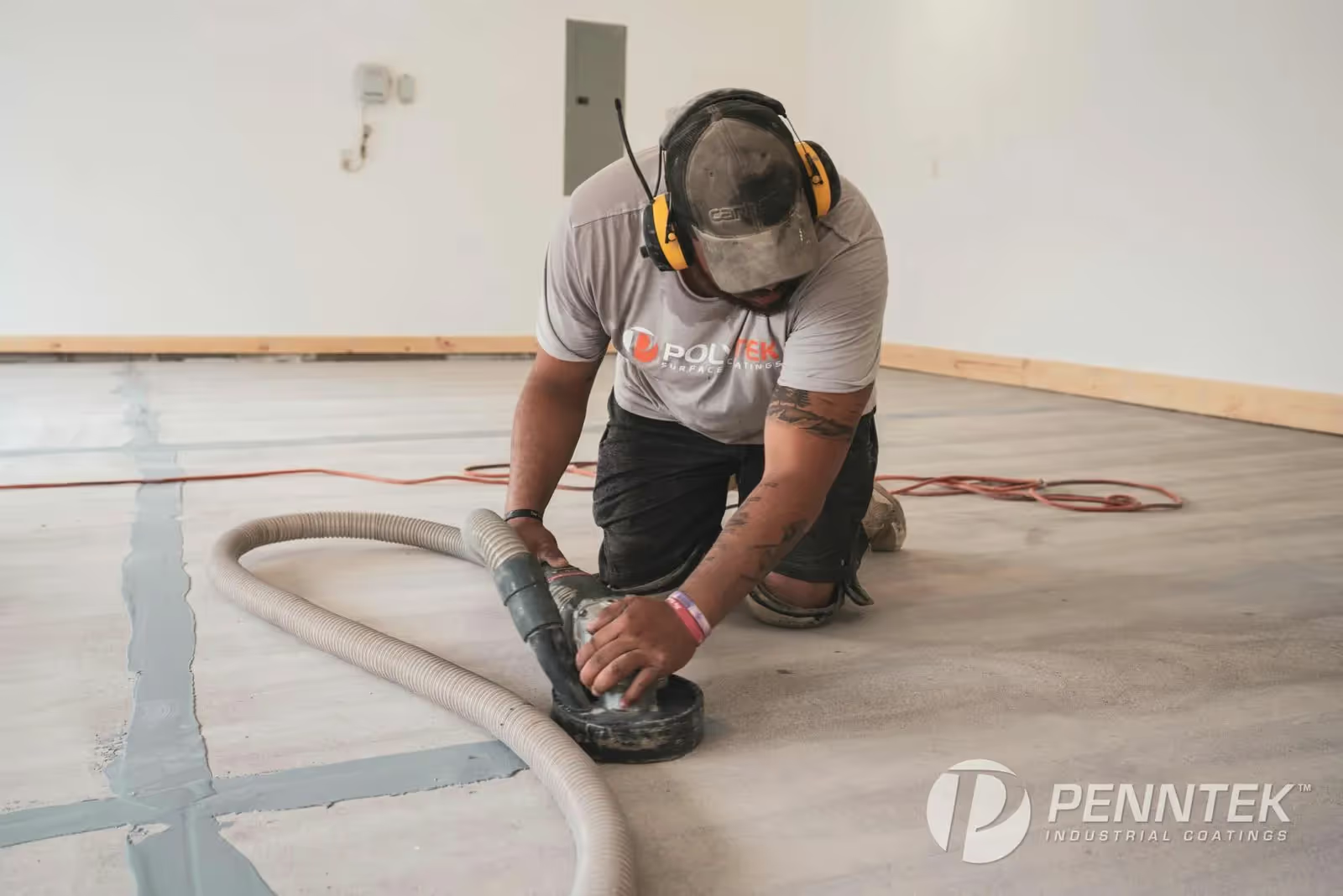
As the certified Penntek dealer serving the Seattle metropolitan area, Cascade Concrete Coatings brings more than just premium materials to your project. We bring certification from Penntek's rigorous training program, AMPP-certified installation standards, professional-grade equipment (600+ pound grinders with diamond tooling), and comprehensive understanding of Pacific Northwest climate factors.
We've installed Penntek floors throughout Bellevue, Sammamish, Bothell, Issaquah, and dozens of other Seattle-area communities. Our customers consistently report that their floors perform exactly as promised—no peeling, no fading, no deterioration.
The difference between epoxy and polyurea isn't just marketing—it's fundamental chemistry that determines whether your floor lasts 3 years or 30. In Seattle's wet, temperature-variable climate, those differences matter even more.
At Cascade Concrete Coatings, we're committed to educating homeowners about these differences so you can make an informed decision. We know that once you understand the real performance characteristics and lifetime costs, the choice becomes clear.
Ready to learn more about how Penntek coatings differ from traditional options? Explore our portfolio of completed projects throughout the Seattle area, or contact us at 425-226-6085 for your free in-home consultation and see the difference that professional polyurea installation makes.